


How To Troubleshoot Industrial Lyophilizer Ice Buildup?
May 05, 2025
Leave a message
Ice buildup in industrial lyophilizers can be a significant challenge for manufacturers across various industries. This issue can compromise the efficiency and effectiveness of the freeze-drying process, potentially leading to product quality issues and increased operational costs. In this comprehensive guide, we'll explore the root causes of ice formation, preventive maintenance strategies, and the impact of ice on vacuum performance in freeze dryers.
We provide industrial lyophilizer, please refer to the following website for detailed specifications and product information.
Product:https://www.achievechem.com/freeze-dryer/industrial-lyophilizer.html
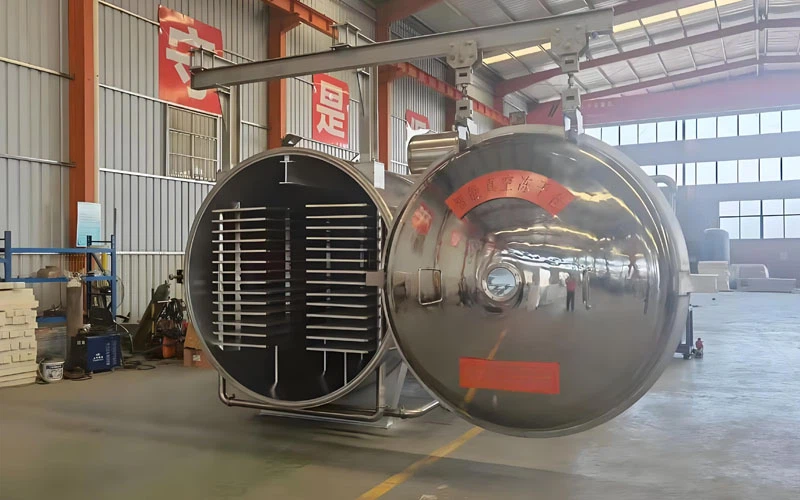 |
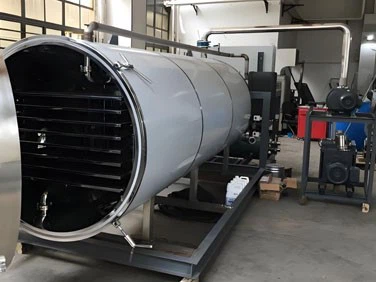
Industrial LyophilizerIndustrial freeze dryers have shown great potential in fields such as biopharmaceuticals, food processing, and new material preparation, thanks to their advantages of low-temperature physical dehydration, three-dimensional porous structure preservation, and microbial inhibition. When making a purchase, enterprises should consider factors such as production capacity, vacuum system configuration, and the defrosting capacity of the cold trap based on their own needs. At the same time, mastering the correct operation norms and maintenance points is also the key to ensuring the long-term stable operation of the equipment. With the continuous advancement of technology and the increasing maturity of the market, industrial freeze dryers will become an important tool for more enterprises to improve product quality and reduce production costs. |
Root causes of excessive ice formation in condensers
Understanding the underlying factors contributing to ice buildup is crucial for effective troubleshooting. Several key factors can lead to excessive ice formation in industrial lyophilizer condensers:
Inadequate condenser cooling: If the condenser temperature is not sufficiently low, it may fail to condense all the water vapor in the system effectively. When this happens, the vapor may not fully transition into liquid form and instead can accumulate on other surfaces, resulting in ice buildup. Ensuring that the condenser maintains an optimal temperature is critical for avoiding this issue.
Overloading the system: Overloading the lyophilizer by attempting to process more product than the system's capacity can handle often leads to incomplete vapor capture. This leaves excess moisture in the system, which, over time, can freeze and contribute to ice buildup. Proper system sizing and load management are necessary to maintain efficient operation and prevent ice accumulation.
Improper shelf temperature control: If there are fluctuations or inaccuracies in the shelf temperature during the lyophilization process, it can cause uneven sublimation rates. This imbalance may overwhelm the condenser's ability to capture and condense all the vapor. Such inconsistencies in temperature control lead to increased moisture in the system, which eventually freezes and forms ice.
Leaks in the system: Even minor vacuum leaks can introduce moisture from the external environment into the system, contributing to ice formation. Regular inspection for leaks and proper sealing can mitigate this risk.
Insufficient defrosting between cycles: If ice from previous cycles is not fully removed during defrosting, it can accumulate over time. This buildup can gradually impair the condenser's function, leading to further ice formation with each subsequent cycle.
Identifying which of these factors is contributing to ice buildup in your industrial lyophilizer is the first step in developing an effective solution. Regular monitoring and analysis of system parameters can help pinpoint the root cause of excessive ice formation.
Preventive maintenance to minimize ice accumulation
Implementing a robust preventive maintenance program is essential for mitigating ice buildup issues in industrial lyophilizers. Here are some key strategies to consider:
Regular condenser inspection and cleaning: Schedule routine inspections of the condenser coils and surfaces. Remove any ice or debris accumulation promptly to maintain optimal performance.
Vacuum system maintenance: Regularly check and service vacuum pumps, seals, and connections to prevent leaks that could introduce moisture into the system.
Temperature sensor calibration: Ensure accurate temperature readings by calibrating shelf and condenser temperature sensors at recommended intervals.
Refrigeration system optimization: Maintain the refrigeration system to ensure consistent and adequate cooling capacity for the condenser.
Proper cycle development: Develop and validate lyophilization cycles that balance sublimation rates with condenser capacity to prevent overloading.
Defrosting procedures: Implement thorough defrosting protocols between cycles, including complete ice removal and drying of condenser surfaces.
Training and documentation: Provide comprehensive training for operators and maintain detailed standard operating procedures (SOPs) for equipment use and maintenance.
By implementing these preventive measures, manufacturers can significantly reduce the occurrence of ice buildup issues in their industrial lyophilizers, leading to more consistent and efficient freeze-drying operations.
How ice affects vacuum performance in freeze dryers
Ice accumulation can have a substantial impact on the vacuum performance of industrial lyophilizers, potentially compromising the entire freeze-drying process. Here's how ice buildup affects various aspects of vacuum performance:
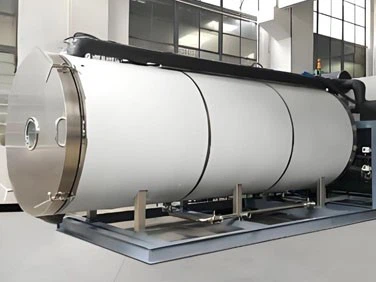
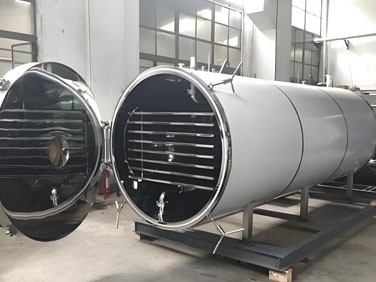
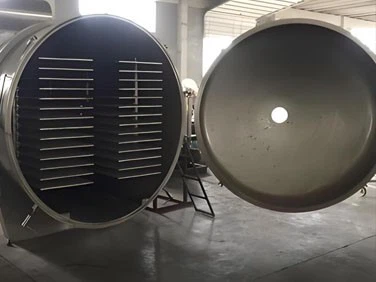
Reduced pump efficiency: As ice accumulates, it can restrict the flow of water vapor to the vacuum pump, forcing the pump to work harder and potentially reducing its lifespan.
Increased chamber pressure: Ice formation inside the system can lead to elevated pressures within the chamber. Higher pressures hinder the sublimation process, where the frozen product transitions directly from a solid to a gas. This slowdown can lead to longer cycle times and inefficiencies in the drying process, impacting overall production capacity.
Uneven drying: Non-uniform ice buildup can create localized pressure differentials within the chamber, resulting in inconsistent drying across the batch.
Potential for product contamination: In more severe cases, ice particles may break loose from the condenser or other components and enter the chamber. These particles could contaminate the product, jeopardizing its quality and sterility. This is especially concerning in industries where contamination risks must be minimized, such as in pharmaceuticals or food production.
Vacuum sensor inaccuracies: Ice buildup around vacuum sensors can interfere with their ability to provide accurate pressure readings. Inaccurate readings could lead the system to operate outside its optimal parameters, resulting in improper drying conditions and potentially damaging the product.
Extended defrost times: Excessive ice buildup can significantly increase the time required for defrosting between cycles, reducing overall equipment productivity.
To mitigate these issues, it's crucial to monitor vacuum performance closely and address any signs of ice-related problems promptly. This may involve adjusting cycle parameters, enhancing preventive maintenance practices, or upgrading equipment components to better handle ice formation.
Conclusion
Effectively troubleshooting ice buildup in industrial lyophilizers requires a comprehensive approach that addresses root causes, implements preventive maintenance strategies, and considers the impact on vacuum performance. By taking these factors into account, manufacturers can optimize their freeze-drying processes, improve product quality, and enhance overall operational efficiency.
Are you facing challenges with ice buildup in your industrial lyophilizer? ACHIEVE CHEM is here to help. As a leading manufacturer of lab chemical equipment, we offer innovative solutions tailored to the needs of pharmaceutical companies, chemical manufacturers, biotechnology firms, food & beverage industry, environmental and waste treatment companies, and laboratories & universities. Our team of experts can provide guidance on optimizing your freeze-drying processes and minimizing ice-related issues. To learn more about our industrial lyophilizer solutions and how we can support your operations, please contact us at sales@achievechem.com. Let ACHIEVE CHEM be your partner in achieving excellence in freeze-drying technology.
References
1. Smith, J. D., & Johnson, R. A. (2019). Advanced Techniques in Industrial Freeze-Drying: Overcoming Ice Formation Challenges. Journal of Pharmaceutical Sciences, 108(4), 1423-1435.
2. Thompson, L. M., et al. (2020). Optimization of Condenser Performance in Large-Scale Lyophilization Equipment. Industrial & Engineering Chemistry Research, 59(15), 7012-7024.
3. Garcia-Montoya, E., & Sunderland, V. B. (2018). Preventive Maintenance Strategies for Pharmaceutical Freeze-Dryers: A Review. PDA Journal of Pharmaceutical Science and Technology, 72(1), 39-51.
4. Patel, S. M., & Pikal, M. J. (2021). Impact of Ice Accumulation on Vacuum System Performance in Pharmaceutical Freeze-Drying. Journal of Pharmaceutical Innovation, 16(2), 281-293.