



Rotating Evaporator
(1)1L/2L---Manual lifting with irony base/Manual lifting with SS base/Electric lifting
(2)3L/5L/10L/20L/30L/50L---Manual Lifting/Electric Lifting
***Price List for whole above, inquire us to get
2. Customization:
(1)Design support
(2)Directly supply the Senior R&D organic intermediate, shorten your R&D time and cost
(3)Share the advanced purifying technology with you
(4)Supply the high quality chemicals and analysis reagent
(5)We want to assist you on Chemical Engineering (Auto CAD, Aspen plus etc.)
3. Assurance:
(1)CE and ISO certification Registered
(2)Trademark: ACHIEVE CHEM(since 2008)
(3)Replacement parts within 1-year for free
Description
Technical Parameters
Our rotating evaporator, commonly known as a rotovap, is a laboratory instrument used for efficient distillation and solvent recovery. It is designed to gently evaporate solvents from samples under reduced pressure, allowing for the separation and collection of desired compounds. The principle behind a rotery evaporator involves harnessing the evaporation process by rotating the sample flask in a heated bath while simultaneously applying a vacuum. This combination of gentle rotation, precise temperature control, and reduced pressure enables the rapid evaporation of volatile solvents, leaving behind concentrated solutions or purified substances. With its versatile applications in various scientific disciplines such as chemistry, pharmaceuticals, and materials science, the rotery evaporator has become an essential tool for researchers and professionals seeking to extract, purify, and concentrate valuable compounds from complex mixtures.

Product Introduction

A rotating evaporator is an evaporation instrument composed of a motor, distillation bottle, heating pot, condensing tube, and other components. It is mainly used for continuous distillation of volatile solvents under reduced pressure conditions and is applied in fields such as chemistry, chemical engineering, and biomedicine. The invention scenario of rotery evaporator is to solve some problems in traditional distillation methods, such as uneven sample mixing and small heating area in traditional distillation methods. The rotery evaporator achieves better mixing and larger heating area by rotating the distillation bottle, thereby improving efficiency.
The rotery evaporator was invented by Swiss chemist Lyman C. Craig in the 1957's. The emergence of rotery evaporators has solved an important challenge faced by researchers in the field of chemistry: how to effectively evaporate and recover solvents. Traditional distillation methods typically require high temperatures and prolonged operations, which may lead to sample decomposition or loss of active ingredients.
The invention of a rotery evaporator provides a more gentle and efficient solvent evaporation method. By rotating the sample in a heating bath and evaporating at low pressure, the product achieves a fast and time-saving solvent evaporation process. Its unique design increases the contact area between the sample and the heated surface, thereby improving evaporation efficiency. In addition, by applying appropriate vacuum, rotating the evaporator can also reduce the boiling point of the solvent, which helps to evaporate more easily.

The invention of the rotery evaporator meets the needs of chemical researchers for efficient, precise, and mild solvent evaporation tools. It plays an important role in chemical synthesis, natural product extraction, pharmaceutical preparations, food analysis, and other fields. The emergence of rotery evaporators not only greatly improves the efficiency of solvent recovery, but also helps to reduce the generation of chemical waste, meeting the requirements of sustainable development and environmental protection. Therefore, the invention of rotery evaporators filled the gap in distillation technology and brought revolutionary progress to chemical research and laboratory operations.
Product Parameter


|
Model |
RE-5L |
RE-10L |
RE-20L |
RE-50L |
RE-100L |
|
Optimum Ambient(℃) |
5~35 |
||||
|
Power (V/Hz) |
Single phase 220/60 |
Three phase 380/60 |
|||
|
Motor Rotary control |
Digital display frequency conversion stepless speed regulation |
Digital DC stepless speed regulation |
|||
|
Rotating Speed(rpm) |
10~140 |
20~130 |
20~110 |
||
|
Rotary motor(W) |
40 |
Brushless 250 |
Brushless 500 | ||
|
Temperature range (℃) |
RT-99 water bath, oil bath is available |
||||
|
Vacuum |
0.098Mpa (No loading) |
||||
|
Rotary Flask |
5/6 Flange type Ø50 |
10 Flange type Ø125 |
20 Flange type Ø125 |
50 Flange type Ø125 |
50 Flange type Ø125 |
|
Collection volume(L) |
3 |
5 |
10 |
20 |
20 |
|
Condenser |
Vertical double serpentine tube |
Vertical, main cold + sub-cool, high efficiency three-return condenser |
|||
|
Condensation area(m2) |
0.27 |
Main cold 0.42 Deputy cold 0.22 |
Main cold 0.8 Deputy cold 0.39 |
Main cold 0.91 Deputy cold 0.52 |
main condenser is 2 m2
(Ø230*950), Vice condenser is 0.8m2 (Ø230*550)
|
|
Evaporation rate(L/h) |
Water≥2 Alcohol≥4 |
Water≥3.5 Alcohol≥7 |
Water≥5 Alcohol≥13 |
Water≥10 Alcohol≥23 |
15~18L/ hour for alcohol
|
|
Bath material |
Stainless Steel |
||||
|
Bath Size(mm) |
Φ300×170 |
Φ350×220 |
Φ450×260 |
Φ550×320 |
Φ750×320 |
|
Lift Type |
Electric(Automatic) lift |
||||
|
Lift Distance(mm) |
0~150 |
0~160 |
0~190 |
0~180 |
220mm
|
|
Heat Power(kW) |
2.0 |
3.0 |
4.0 |
4.0(220V) |
15KW 380V
|
|
Dimension(mm) |
860×500×1000 |
920×550×1700 |
1250×600×2100 |
1320×770×2340 |
1700 x 830 x 2800
|
Interested in a Rotary evaporator for your lab? [Send an Inquiry now]
Capacity: The capacity of a rotovap machine refers to the volume of the rotating flask or the maximum amount of sample it can accommodate. Buyers need to consider their specific workload and desired batch sizes when assessing capacity. Choosing an appropriate capacity ensures optimal efficiency and saves time by avoiding frequent batch transfers.
Rotational Speed: The rotational speed range determines the rate at which the sample rotates within the flask. Higher speeds generally result in faster evaporation. However, it is essential to ensure that the chosen machine offers a suitable range that allows for both gentle evaporation and efficient separation.
Temperature Control: Accurate temperature control is critical for achieving precise distillation and solvent recovery. Buyers should look for rotovap machines that provide reliable and precise temperature regulation within a desired range. Features like digital displays and programmable controllers enhance usability and minimize the risk of thermal damage to sensitive samples.
Condenser Type: The condenser plays a vital role in the condensation process during distillation. There are different types of condensers available, such as vertical coil condensers and cold finger condensers. Buyers should consider the cooling capacity, condensation efficiency, and compatibility with their specific solvents and applications when selecting a rotovap machine.
Vacuum Level: Vacuum capability is crucial for reducing the boiling point of solvents, enabling more gentle evaporation and minimizing sample degradation. Buyers should assess the vacuum level range and the compatibility of the rotovap machine with vacuum pumps. The ability to achieve and maintain an appropriate vacuum level is essential for optimal performance.
Safety Features: Safety should be a top priority when selecting a rotovap machine. Important safety features to consider include overheat protection, automatic shut-off mechanisms, and anti-explosion designs. These features ensure operator and sample protection, preventing accidents and equipment damage.
Ease of Use: User-friendly features significantly impact the usability and convenience of a rotovap machine. Buyers should evaluate the ease of installation, operation, and maintenance. Look for features like intuitive controls, clear displays, robust construction, and easy-to-clean components that enhance overall user experience.

All kinds of "Rotary Evaporator", Price List, you can choose online HERE
Product Turnkey
Rotating evaporator typically require the following auxiliary equipment to improve their efficiency: Condenser, Vacuum pump, Heating device, Collection bottle, and rotating eveporator.
|
|
|


The above are the main auxiliary equipment of the rotery evaporator and their functions and functions. These devices work together to enable the rotery evaporator to efficiently perform distillation operations.
Electrical inspection
Preparation before inspection
Cut off the power supply
Before checking the electrical part, be sure to cut off the power supply of the rotary evaporator to ensure that the equipment is in a safe state.
Wear protective equipment
Inspectors should wear insulating gloves, goggles and other protective equipment to prevent electric shock or other safety accidents.
Check the content


Power cord and plug
Check power cables: Check whether the power cables are damaged, aged, or exposed, and ensure that the power cables are properly insulated.
Check the plug: check whether the plug is intact, without deformation, burning or loosening, and ensure that the plug is in good contact with the socket.
Electric control box and indicator light
Check the electric control box: check the appearance of the electric control box is intact, no deformation, damage or burning phenomenon.
Check the indicator: Check whether the indicator light on the electric control box is on and whether the indicator is normal. If any abnormality occurs, check whether the wiring and circuit of the indicator light are normal.
Motors and drives
Check the motor: check the appearance of the motor is intact, no damage or burning phenomenon. Gently turn the motor shaft by hand to check whether the motor is flexible and has no stutter or abnormal sound.
Check the driving device: check whether the driving device (such as belt, gear, etc.) is in good condition, without damage or loosening. Make sure that the drive device is working properly and there is no abnormal sound.
Circuit and connection
Check the circuit: check whether the circuit of the rotary evaporator is clear, clean, no random connection, chaos phenomenon. Check whether the wires in the circuit are intact, without damage or aging.
Check the connection: check the various connection points in the circuit (such as wiring terminals, plugs and sockets, etc.) are firm and reliable, without loosening or poor contact.
Ground and leakage protection
Check the grounding: check whether the grounding of the rotary evaporator is good and whether the grounding resistance meets the requirements. Ensure that the equipment is grounded reliably to prevent electric shock.
Check leakage protection: Check whether the rotary evaporator is equipped with leakage protection device, and check whether it is working properly. Ensure that the power supply can be cut off in time when leakage, to protect the safety of personnel and equipment.
Inspection Goods steps
Appearance check
First of all, check the appearance of the power cord, plug, electric control box, indicator light, motor and drive device and other components are in good condition.
Function test
After the power is turned on, the function test is carried out. Observe the indicator light, check the operation of the motor and drive device, and ensure the normal function of the equipment.
Circuit check
After the equipment stops running, the circuit check is carried out. Check whether the wires and connection points in the circuit are intact, without damage or aging.
Grounding and leakage protection check
The final grounding and leakage protection check. Use professional grounding resistance tester and leakage protection tester for testing to ensure reliable grounding of equipment and normal operation of leakage protection device.
Precautions
Safe operation: When inspecting the electrical part, observe the safe operation rules to ensure the safety of the human body and the equipment.
Professional maintenance: If you find that there is a fault or abnormal phenomenon in the electrical part, you should immediately cut off the power and contact professional maintenance personnel for maintenance. Do not disassemble or repair electrical parts personally to avoid greater losses or safety accidents.
Regular maintenance: It is recommended to check and maintain the electrical part of the rotary evaporator regularly to ensure the normal operation of the equipment and extend the service life.
Through the implementation of the above steps and precautions, the electrical part of the rotating evaporator can be effectively checked and maintained to ensure the normal operation and safe use of the equipment.
Our Advantage
Quality and after-sales guarantee
Brand reputation: Our company was founded in 2008 and enjoys good reputation and credibility in the industry.
High-quality materials: The use of high-quality materials and advanced manufacturing processes to ensure the durability and stability of the rotery evaporator.
Perfect after-sales service: Provide installation and commissioning on-site free training, the whole machine warranty period of up to one year, to ensure that customers in the use of the process without worries.
Cost-effective advantage
Reasonable price: Compared with other similar products, the rotery evaporation instrument provided by our company is more reasonable and has a higher cost performance while maintaining high quality.
Energy saving and high efficiency: Although the rotery evaporator will consume a certain amount of electricity or fuel during use, our products reduce energy consumption costs and improve energy efficiency through optimal design and technological innovation.
Rotating evaporator, also known as rotery evaporator, is a widely used equipment in chemical laboratories, mainly used to efficiently and gently remove solvents from samples through evaporation. Its development process is a continuous integration and innovation of science and technology, gradually evolving from simple condensing devices to modern intelligent and automated experimental equipment. The following is a detailed review of the development history of rotery evaporators.
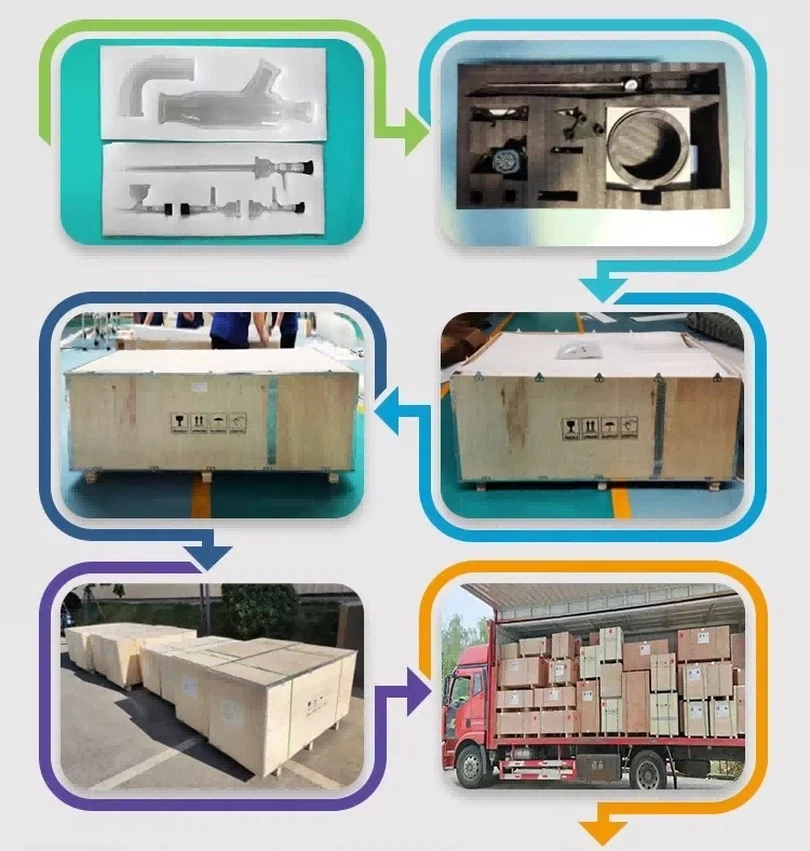

Visting our FACTORY

Hot Tags: rotating evaporator, China rotating evaporator manufacturers, suppliers, factory, High Pressure Hydrogenation Reactor, High Pressure Stirred Reactor, Molecular Distillation Unit, Hydrothermal Reactor Autoclave, 50L Jacketed Reactor, Rotovap Machine
Send Inquiry


