


What Is The Role Of Vacuum in A Rotary Evaporator
Jul 26, 2024
Leave a message
Understanding the Basics of Rotary Evaporation
To comprehend the significance of vacuum in a rotary evaporator, we must first understand the basics of how this equipment works. A rotavap, commonly referred to as a rotovap, is designed to gently remove solvents from samples through evaporation. The primary components include:
Rotating Flask: Holds the sample and rotates to increase surface area.
Heating Bath: Provides heat to the sample to facilitate evaporation.
Condenser: Cools the vaporized solvent, converting it back to liquid.
Vacuum System: Reduces the pressure inside the evaporator.
Each part plays a crucial role, but the vacuum system is particularly important for reducing the boiling points of solvents, thereby enabling their evaporation at lower temperatures.
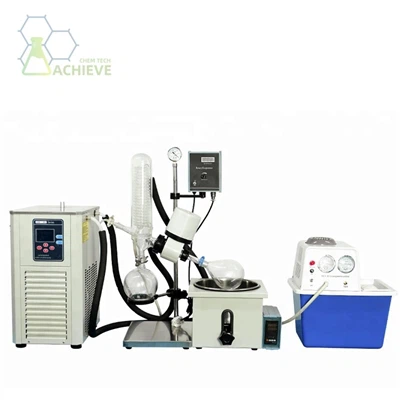
The Science Behind Vacuum Application
Vacuum application is crucial in rotavaps to lower the boiling point of solvents, facilitating faster and more efficient evaporation. By reducing the pressure within the system, the boiling point of the solvent decreases, allowing evaporation to occur at lower temperatures than atmospheric boiling points. This principle is fundamental in preserving heat-sensitive compounds and achieving higher yields during solvent recovery processes. Maintaining a consistent vacuum pressure is essential for controlling the rate of evaporation and ensuring the integrity of the desired product. Experts emphasize the importance of selecting the appropriate vacuum level based on the solvent's properties and the desired evaporation rate to optimize performance and productivity.
Achieving optimal vacuum performance involves several critical factors. Proper maintenance of vacuum pumps and accessories is essential to sustain efficient vacuum levels throughout the evaporation process. Regular inspection and cleaning of vacuum lines and traps prevent clogging or contamination that could affect performance. Additionally, ensuring a secure seal between the rotary evaporator components minimizes air leaks and maintains stable vacuum conditions. Monitoring vacuum gauges and adjusting pump settings as needed help to control and stabilize vacuum pressures, enhancing the reliability and reproducibility of evaporation processes. Implementing these best practices not only improves the efficiency of solvent recovery but also supports the safety and longevity of rotavap equipment.
How Vacuum Enhances Solvent Removal
When we apply a vacuum, we create an environment where solvents can evaporate at temperatures significantly below their normal boiling points. For instance, water, which boils at 100°C at atmospheric pressure, can boil at much lower temperatures under vacuum conditions. This is particularly beneficial for compounds that might degrade at high temperatures.
Setting Up the Vacuum System
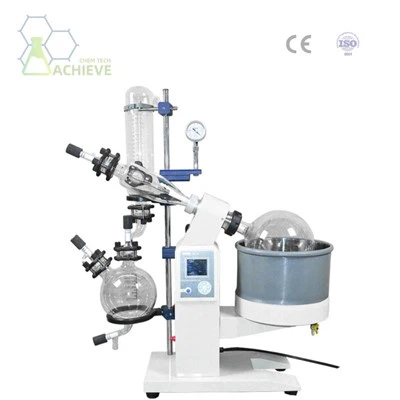
Proper setup of the vacuum system is essential for effective operation. Here are the steps I follow in my small laboratory:
Check for Leaks: Ensure that all connections are tight and there are no leaks in the system.
Vacuum Pump Selection: Choose a pump that provides a consistent vacuum level appropriate for the solvents used.
Vacuum Control: Use a vacuum controller to maintain a stable pressure, preventing fluctuations that can lead to bumping (sudden boiling).
Impact of Vacuum on Different Solvents
Different solvents respond differently to vacuum conditions. Here are a few examples:
Ethanol: Boils at 78.37°C under atmospheric pressure, but can evaporate at much lower temperatures under vacuum.
Methanol: Similar to ethanol, benefits greatly from reduced pressure.
Dichloromethane (DCM): Has a low boiling point at atmospheric pressure, but vacuum application still enhances evaporation efficiency.
Practical Tips for Using Vacuum in Rotary Evaporation
A fundamental aspect of rotary evaporator is comprehending how vacuum levels interact with different solvent types. Vacuum reduces the boiling point of solvents, enabling gentler evaporation and preservation of temperature-sensitive compounds. For solvents with higher boiling points, stronger vacuum levels are required to achieve optimal evaporation rates. It's crucial to select vacuum levels based on solvent characteristics and desired process outcomes, ensuring efficient solvent recovery and purity preservation. This knowledge empowers researchers to tailor their approach for specific applications, from pharmaceutical synthesis to chemical analysis.
Effective use of vacuum in rotary evaporation hinges on well-maintained equipment and optimal setup. Regular maintenance of vacuum pumps, seals, and evaporator components minimizes leaks and ensures consistent vacuum performance. Proper calibration of vacuum gauges and monitoring systems helps maintain desired pressure levels throughout the evaporation process. Ensuring airtight seals between glassware and other components prevents air ingress, which can disrupt evaporation efficiency. These practices not only enhance safety but also promote reliable operation and prolong equipment lifespan, supporting continuous laboratory workflows.
Achieving precision in rotary evaporation involves fine-tuning vacuum parameters to match specific experimental needs. Researchers adjust vacuum settings to control evaporation rates and optimize solvent recovery while minimizing thermal degradation of sensitive compounds. Monitoring vapor temperature and adjusting vacuum levels accordingly prevent overheating and ensure efficient solvent concentration. These practices not only streamline workflows but also contribute to reproducible results and data integrity. By mastering these techniques, laboratories enhance productivity and advance scientific discoveries across various disciplines, from pharmaceutical research to environmental science.
Advanced Vacuum Techniques
In my experience, certain advanced techniques can further enhance the efficiency of the vacuum system in a rotary evaporator:
Stepwise Vacuum Reduction: Gradually reducing the vacuum in steps can prevent bumping and ensure a smoother evaporation process.
Cold Traps: Using a cold trap can protect the vacuum pump from solvent vapors and improve overall system efficiency.
Automated Vacuum Control: Automated systems can precisely control the vacuum level, adapting to the changing conditions during the evaporation process.
Troubleshooting Common Vacuum Issues
Even with the best setup, issues can arise. Here are some common problems and their solutions:
Inconsistent Vacuum: Check for leaks and ensure the pump is functioning correctly. A vacuum controller can help maintain stability.
Bumping: Gradual application of the vacuum and use of bump traps can mitigate this issue.
Residual Solvent: Incomplete removal can be addressed by adjusting the vacuum level or extending the evaporation time.
Case Study: Vacuum Application in Plant Extracts
In one of my projects involving plant extracts, the use of vacuum was critical. The extracts were dissolved in ethanol, and to avoid thermal degradation of the active compounds, I applied a vacuum to reduce the boiling point of ethanol. By setting the vacuum level to 100 mbar and the heating bath to 40°C, I achieved efficient solvent removal without compromising the integrity of the extracts.
Environmental and Safety Considerations
Using a vacuum in rotary evaporation not only enhances efficiency but also has environmental and safety benefits. Efficient solvent removal reduces chemical waste and minimizes exposure to harmful vapors. Additionally, lower temperatures decrease the risk of thermal decomposition of sensitive compounds.
Conclusion
The role of vacuum in a rotary evaporator cannot be overstated. It is a crucial factor that influences the efficiency, safety, and effectiveness of solvent removal in small laboratories. By understanding the principles behind vacuum application, setting up the system correctly, and implementing best practices, one can achieve optimal results. Regular maintenance, troubleshooting, and advanced techniques can further enhance the performance of the vacuum system.
