


What Is The Function Of Magnetic Stir Bar in Laboratory?
May 15, 2024
Leave a message
In the realm of laboratory equipment, the magnetic stir bar plays a pivotal role, facilitating various essential processes within the confines of scientific experimentation.
A magnetic stir bar, also known as a magnetic flea, stir bar, or stirring rod, is a small magnetic object used in laboratories to stir liquids. It typically consists of a cylindrical or octagonal-shaped bar made of solid material (such as PTFE, glass, or coated metal) with a small magnet embedded inside.

The function of a magnetic stir bar is to facilitate the blending or mixing of fluids inside a holder, such as a container, jar, or test tube, by utilizing a magnetic stirrer.
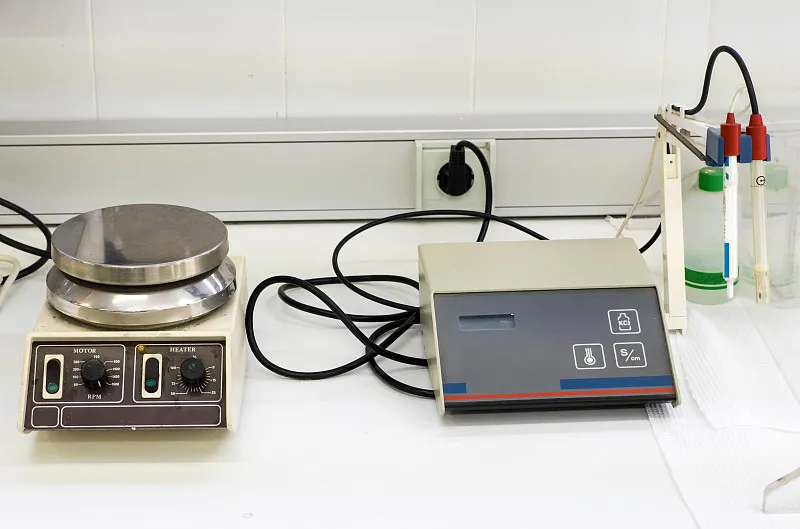
Magnetic Stirrer: A attractive stirrer is a laboratory gadget that produces a pivoting magnetic field. It more often than not comprises of a motorized base with a magnetic plate or stage on best. When the stirrer is turned on, the magnetic plate turns, making a twirling movement in the fluid set on it.
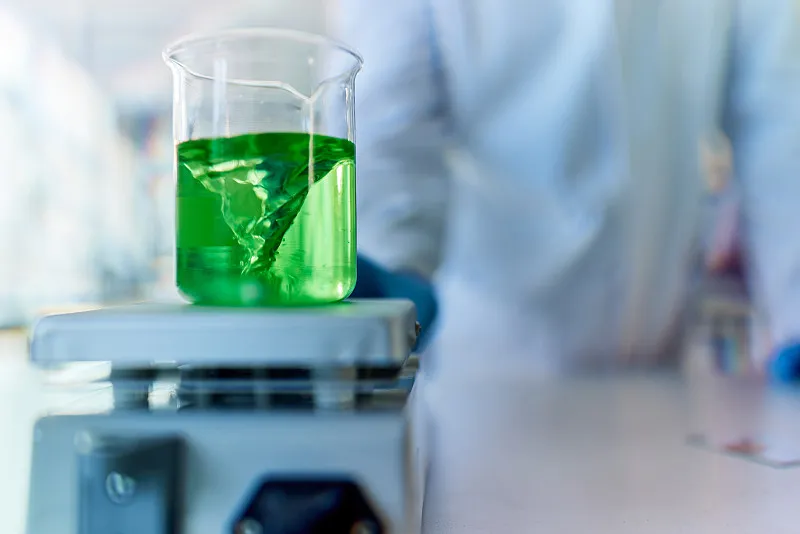
Magnetic Interaction: When a magnetic stir bar is put in a fluid on the attractive stirrer, the turning attractive field produced by the stirrer causes the blend bar to turn. This turning movement makes turbulence and disturbance in the fluid, successfully blending its components.
Uniform Blending: Magnetic stirrers and stir bars are especially valuable for applications that require tender, uniform blending without presenting shear powers or discuss bubbles into the fluid. They are commonly utilized in chemistry, science, organic chemistry, and other logical disciplines for errands such as dissolving solutes, suspending particles, homogenizing arrangements, and conducting reactions.
Hands-Free Operation: One of the advantages of utilizing magnetic stirrers with mix bars is that they permit for hands-free operation. Once the mix bar is set in the fluid and the stirrer is turned on, the blending prepare continues consequently, liberating up the researcher's hands to perform other tasks.
Temperature Control: A few magnetic stirrers include built-in warming or cooling capabilities, permitting for exact temperature control amid mixing. This is especially valuable for tests or forms that require keeping up a particular temperature all through the blending prepare.
Overall, magnetic stir bars play a crucial role in laboratory work by enabling efficient and controlled mixing of liquids for various scientific applications. They are simple yet indispensable tools that contribute to the accuracy, reproducibility, and efficiency of experimental procedures in research, development, and quality control.
Understanding the Magnetic Stir Bar
Before delving into its myriad applications, it is imperative to grasp the fundamental concept of the magnetic stir bar. Essentially, a magnetic stir bar is a small, cylindrical magnet encased in a smooth, non-reactive material such as PTFE (polytetrafluoroethylene) or glass. This construction enables it to be magnetically coupled with a stirring apparatus, typically a magnetic stirrer, thereby facilitating the agitation of liquid solutions.
Composition:
Magnetic stir bars are typically composed of durable materials such as PTFE (polytetrafluoroethylene), glass, or coated metal. These materials are chemically inert and resistant to corrosion, ensuring they are compatible with a wide range of chemicals and solvents used in laboratory experiments.
Magnet:
The key component of a magnetic stir bar is the magnet embedded within its body. This magnet generates a magnetic field that interacts with the rotating magnetic field produced by the magnetic stirrer. The strength of the magnet varies depending on the size and type of stir bar, influencing its ability to stir liquids effectively.
Shape and Size:
Magnetic stir bars come in various shapes and sizes to suit different laboratory applications. Common shapes include cylindrical, octagonal, oval, and polygonal, with each shape offering specific advantages depending on the type of container and the characteristics of the liquid being stirred.
Surface Coating:
Many magnetic stir bars are coated with a layer of PTFE or other inert materials to provide additional protection against chemical reactions and abrasion. The coating also helps reduce friction between the stir bar and the vessel, ensuring smooth rotation and minimizing the risk of damage to glassware.
Stirring Efficiency:
The efficiency of a magnetic stir bar depends on several factors, including the strength of the magnetic field, the speed of rotation, the viscosity of the liquid, and the shape and size of the stir bar. Optimizing these parameters ensures thorough mixing and homogenization of the liquid without causing excessive turbulence or splashing.
Stirring Efficiency:
Magnetic stir bars are widely used in laboratories for a variety of applications, including dissolving solids, mixing reagents, suspending particles, conducting reactions, and maintaining uniform temperatures in solutions.
In summary, magnetic stir bars are indispensable tools in laboratory settings, providing reliable and consistent stirring performance for a wide range of scientific applications. Their simple yet effective design makes them essential equipment for researchers and technicians across various disciplines.
Promoting Homogeneity in Solutions
One of the primary functions of the magnetic stir bar is to promote homogeneity within liquid solutions. In scientific experimentation, it is often imperative to ensure that substances are uniformly mixed to guarantee accurate results. The magnetic stir bar achieves this by generating rotational motion within the solution, effectively dispersing particles and solutes evenly throughout the solvent.
Facilitating Chemical Reactions
In addition to promoting homogeneity, magnetic stir bars also play a crucial role in facilitating chemical reactions. By agitating the reaction mixture, these stir bars enhance the interaction between reactants, thereby expediting the rate of chemical processes. This function is particularly invaluable in experiments where time-sensitive reactions or kinetic studies are involved, enabling researchers to achieve optimal reaction yields within stipulated timeframes.

Preventing Sedimentation and Precipitation
Sedimentation and precipitation pose significant challenges in laboratory settings, often leading to inaccurate results and compromised experimental outcomes. However, the strategic utilization of magnetic stir bars mitigates these issues by maintaining a constant state of agitation within the solution. This continuous motion prevents the settling of particles and solutes, ensuring uniformity and consistency throughout the duration of the experiment.
Enhancing Dissolution Rates
Another noteworthy function of magnetic stir bars is their ability to enhance dissolution rates. In scenarios where solutes exhibit poor solubility, such as inorganic salts or fine powders, the agitation provided by the stir bar facilitates the breakdown of molecular bonds, expediting the dissolution process. This is particularly advantageous in analytical chemistry, where rapid dissolution is imperative for accurate sample preparation and analysis.

Optimizing Temperature Control
Temperature control is paramount in many laboratory procedures, as slight fluctuations can significantly impact reaction kinetics and product yields. Magnetic stir bars aid in temperature regulation by promoting efficient heat transfer throughout the solution. By ensuring uniform mixing, these stir bars facilitate consistent temperature distribution, thereby minimizing temperature gradients and promoting optimal reaction conditions.
Conclusion
In conclusion, the function of the magnetic stir bar in laboratory environments transcends mere agitation; it serves as a cornerstone of scientific experimentation, facilitating homogeneity, enhancing reaction kinetics, and optimizing experimental outcomes. Through its versatile applications and myriad benefits, the magnetic stir bar continues to be an indispensable tool for researchers and scientists alike, revolutionizing the landscape of laboratory practices.
References:
"The Role of Magnetic Stir Bars in Laboratory Applications" - [URL]
"Principles and Applications of Magnetic Stirring in Chemistry" - [URL]
"Advancements in Magnetic Stir Bar Technology" - [URL]