


What Is The Acceptable Leak Rate in A Lyophilizer?
Sep 24, 2024
Leave a message
Lyophilization, also known as freeze-drying, is a critical process in various industries, including pharmaceuticals, biotechnology, and food processing. The efficiency and reliability of this process largely depend on the performance of the equipment used, particularly the industrial lyophilizer.
One crucial aspect of lyophilizer performance is its leak rate. Understanding what constitutes an acceptable leak rate is essential for maintaining product quality, ensuring process efficiency, and complying with industry standards. This article delves into the concept of leak rates in lyophilizers, explores the factors that influence acceptable levels, and discusses the importance of proper maintenance and testing to maintain optimal performance in industrial freeze-drying operations.

Leak Rates in Industrial Lyophilizers
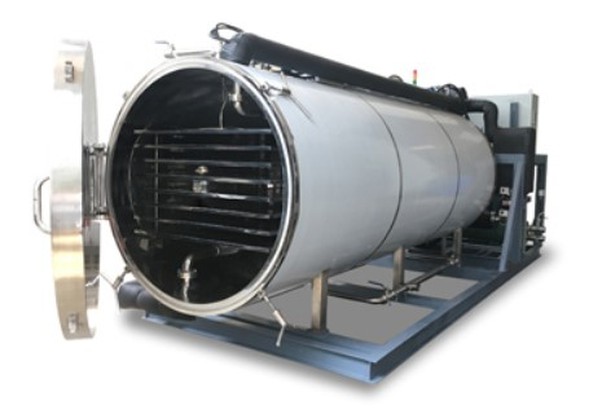
Before we dive into what constitutes an acceptable leak rate, it's crucial to understand what leak rates are and why they matter in the context of industrial lyophilizers. A leak rate refers to the volume of gas that escapes from a sealed system over a specific period. In lyophilization, maintaining a proper vacuum is essential for the sublimation process to occur effectively. Any leaks in the system can compromise this vacuum, potentially affecting the quality of the freeze-dried product and the efficiency of the entire process.
Industrial lyophilizer are complex machines designed to create and maintain the precise conditions necessary for freeze-drying. They consist of various components, including a vacuum chamber, condenser, refrigeration system, and vacuum pump. Each of these components must work in harmony to create the low-pressure environment required for lyophilization. Even small leaks can disrupt this delicate balance, leading to longer processing times, increased energy consumption, and potentially compromised product quality.
The acceptable leak rate for an industrial lyophilizer is not a one-size-fits-all value. It depends on several factors, including the size of the lyophilizer, the specific requirements of the product being freeze-dried, and industry standards. Generally, smaller lyophilizers used in laboratory settings may have more stringent leak rate requirements compared to larger industrial units. However, all lyophilizers must maintain leak rates within acceptable limits to ensure proper functionality and product quality.
Factors Influencing Acceptable Leak Rates
Several factors come into play when determining what constitutes an acceptable leak rate for an industrial lyophilizer:
● Lyophilizer Size and Capacity: Larger industrial lyophilizers may have higher acceptable leak rates compared to smaller units, as the impact of small leaks can be less significant in a larger volume.
● Product Sensitivity: Some products, particularly in the pharmaceutical and biotechnology industries, may require more stringent leak rate standards due to their sensitivity to moisture or contamination.
● Regulatory Requirements: Depending on the industry and application, there may be specific regulatory guidelines that dictate acceptable leak rates for lyophilization equipment.
● Process Duration: For longer lyophilization cycles, even small leaks can accumulate over time, potentially affecting the final product. Therefore, processes requiring extended freeze-drying times may necessitate lower acceptable leak rates.
● Energy Efficiency: Higher leak rates can lead to increased energy consumption as the system works harder to maintain the required vacuum. In an era of increasing focus on sustainability, minimizing leak rates can contribute to improved energy efficiency.
● Equipment Age and Condition: Newer lyophilizers or those in excellent condition may be held to higher standards regarding acceptable leak rates compared to older or well-used equipment.
Given these factors, it's clear that determining an acceptable leak rate requires careful consideration of the specific context in which the industrial lyophilizer is being used. However, as a general guideline, many manufacturers and industry experts suggest that a leak rate of less than 10 mTorr per hour (or approximately 1.33 Pa per hour) is often considered acceptable for industrial lyophilizers. This value can vary depending on the factors mentioned above and should be viewed as a starting point rather than a universal standard.
Measuring and Maintaining Acceptable Leak Rates

Ensuring that an industrial lyophilizer maintains an acceptable leak rate requires regular testing, maintenance, and potentially, repairs. Here are some key considerations for measuring and maintaining leak rates:
● Leak Testing Methods: Various methods can be employed to test for leaks in a lyophilizer, including:
1) Pressure rise test: This involves evacuating the lyophilizer chamber and monitoring the rate at which pressure increases over time.
2) Helium leak detection: A highly sensitive method that uses helium as a tracer gas to identify even small leaks.
3) Vacuum gauge readings: Monitoring vacuum gauge readings over time can provide insights into potential leaks.
● Regular Maintenance: Implementing a regular maintenance schedule is crucial for preventing leaks and ensuring optimal performance. This may include: Inspecting and replacing seals and gaskets; Checking and tightening connections; Lubricating moving parts as recommended by the manufacturer; Cleaning and inspecting the chamber and other components for signs of wear or damage.
● Staff Training: Proper training of operators and maintenance personnel is essential. They should understand the importance of leak prevention, be able to recognize signs of potential leaks, and know how to perform basic maintenance tasks.
● Documentation and Record-Keeping: Maintaining detailed records of leak tests, maintenance activities, and any repairs is crucial for tracking the performance of the lyophilizer over time and demonstrating compliance with quality standards.
● Environmental Factors: Consider the environment in which the lyophilizer operates. Factors such as humidity, temperature fluctuations, and vibrations can impact leak rates and overall equipment performance.
● Upgrades and Replacements: As technology advances, consider upgrading components or replacing older equipment to benefit from improved sealing technologies and more efficient designs that can help maintain lower leak rates.
It's worth noting that while maintaining an acceptable leak rate is crucial, it's just one aspect of ensuring the overall performance and reliability of an industrial lyophilizer. Other factors, such as temperature control, condenser efficiency, and cycle optimization, also play significant roles in the freeze-drying process.
Conclusion
In conclusion, the acceptable leak rate for an industrial lyophilizer is a critical parameter that impacts the efficiency, reliability, and quality of the freeze-drying process. While general guidelines exist, the specific acceptable rate can vary based on factors such as equipment size, product requirements, and regulatory standards.
Regular testing, meticulous maintenance, and a thorough understanding of the factors influencing leak rates are essential for maintaining optimal performance in industrial lyophilization operations. By prioritizing leak prevention and management, manufacturers can ensure the consistent production of high-quality freeze-dried products while maximizing the efficiency and longevity of their lyophilization equipment.