


How Is Temperature Controlled in A High Pressure Hydrogenation Reactor?
Jan 07, 2025
Leave a message
Temperature control is a crucial aspect of operating a high pressure hydrogenation reactor. These sophisticated devices are designed to facilitate chemical reactions under extreme conditions, making precise temperature regulation essential for safety, efficiency, and product quality. In this comprehensive guide, we'll explore the intricacies of temperature control in high pressure hydrogenation reactors, discussing why it's critical, best practices for regulation, and common challenges faced in the process.
We provide high pressure hydrogenation reactor, please refer to the following website for detailed specifications and product information.
Product:https://www.achievechem.com/chemical-equipment/high-pressure-hydrogenation-reactor.html
Why Temperature Control is Critical in Hydrogenation Reactors
Temperature control plays a pivotal role in the performance and safety of high pressure hydrogenation reactors. Here's why it's so crucial:
Reaction Kinetics: Temperature directly influences the rate of chemical reactions. In hydrogenation processes, higher temperatures typically accelerate the reaction, while lower temperatures slow it down. Precise control allows operators to optimize reaction rates for maximum efficiency and yield.
Product Selectivity: The temperature at which a reaction occurs can significantly impact the final product's composition and properties. By maintaining specific temperature ranges, chemists can steer reactions towards desired products and minimize unwanted side reactions.
Safety: High pressure hydrogenation reactions can be exothermic, releasing heat as they progress. Without proper temperature control, this heat buildup could lead to runaway reactions, potentially causing equipment damage or safety hazards.
Energy Efficiency: Optimal temperature control ensures that energy is used efficiently throughout the reaction process, reducing operational costs and environmental impact.
Equipment Longevity: Maintaining appropriate temperatures helps prevent thermal stress on reactor components, extending the lifespan of the equipment and reducing maintenance needs.
Given these critical factors, it's clear that effective temperature control is indispensable for the safe and efficient operation of high pressure hydrogenation reactors.
Best Practices for Temperature Regulation in Reactors
Achieving precise temperature control in a high pressure hydrogenation reactor requires a combination of advanced technology and careful operational procedures. Here are some best practices to ensure optimal temperature regulation:
Modern high pressure hydrogenation reactors often incorporate sophisticated cooling systems to manage heat generation during exothermic reactions. These may include:
Jacket Cooling: A cooling jacket surrounds the reactor vessel, circulating a coolant to absorb and dissipate heat.
Internal Coils: Some reactors feature internal cooling coils that provide more direct heat transfer from the reaction mixture.
External Heat Exchangers: For larger-scale operations, external heat exchangers may be employed to cool the reaction mixture as it circulates through the system.
Equally important are the heating elements used to bring the reactor to the desired temperature:
Electric Heating Bands: These provide uniform heating around the reactor vessel and offer quick response times for temperature adjustments.
Oil Baths: For more stable temperature control, some reactors use oil baths that surround the vessel, providing even heat distribution.
Induction Heating: This advanced method uses electromagnetic fields to heat the reactor contents directly, offering rapid and precise temperature control.
State-of-the-art control systems are essential for maintaining precise temperatures in high pressure hydrogenation reactors:
PID Controllers: Proportional-Integral-Derivative controllers continuously adjust heating and cooling systems to maintain set temperatures.
Cascade Control: This advanced control strategy uses multiple feedback loops to manage both the reactor temperature and the temperature of the heating/cooling medium.
Model Predictive Control (MPC): MPC algorithms use dynamic models of the reactor system to predict and optimize temperature control actions.
Accurate and reliable temperature monitoring is crucial for effective control:
Thermocouples: Multiple thermocouples placed at strategic points within the reactor provide real-time temperature data.
Resistance Temperature Detectors (RTDs): These offer high accuracy and stability for critical temperature measurements.
Fiber Optic Sensors: In some advanced setups, fiber optic sensors provide distributed temperature sensing along the length of the reactor.
Beyond the technical aspects, following proper operational procedures is crucial:
Gradual Temperature Changes: Implement slow, controlled temperature ramps to avoid thermal shock to the reactor and its contents.
Regular Calibration: Ensure all temperature sensors and control systems are regularly calibrated for accuracy.
Preventive Maintenance: Conduct routine inspections and maintenance of heating and cooling systems to ensure optimal performance.
By implementing these best practices, operators can achieve precise and reliable temperature control in high pressure hydrogenation reactors, ensuring safe and efficient operations.
Common Challenges in Controlling Reactor Temperatures
Despite advanced technologies and best practices, controlling temperatures in high pressure hydrogenation reactors can present several challenges:
1. Heat Transfer Limitations
In high pressure environments, heat transfer can be less efficient:
Reduced Convection: High pressures can limit natural convection within the reactor, making it harder to distribute heat evenly.
Thermal Resistance: The reactor walls and any catalysts or supports used can create thermal resistance, slowing heat transfer.
2. Exothermic Reaction Control
Many hydrogenation reactions are highly exothermic, posing unique challenges:
Heat Accumulation: Rapid heat generation can outpace cooling capabilities, leading to potential temperature spikes.
Hotspots: Localized areas of high temperature can form within the reactor, potentially causing unwanted side reactions or catalyst degradation.
3. Scale-Up Issues
Transitioning from laboratory to industrial scale can introduce new temperature control challenges:
Increased Thermal Mass: Larger reactors have greater thermal inertia, making rapid temperature changes more difficult.
Non-Uniform Mixing: In larger vessels, achieving uniform temperature distribution becomes more challenging due to mixing limitations.
4. Sensor Reliability
Temperature measurement in harsh reactor environments can be problematic:
Sensor Drift: Exposure to high temperatures and pressures can cause sensor readings to drift over time, necessitating frequent calibration.
Sensor Placement: Determining optimal locations for temperature sensors to accurately represent the entire reactor volume can be challenging.
5. Control System Complexity
Advanced control systems, while powerful, can introduce their own challenges:
Tuning Difficulties: PID controllers and more advanced systems may require complex tuning procedures to achieve optimal performance.
Model Inaccuracies: For model-based control strategies, inaccuracies in the reactor model can lead to suboptimal temperature control.
6. Material Constraints
The extreme conditions in high pressure hydrogenation reactors limit material choices:
Thermal Expansion: Different thermal expansion rates between reactor components can lead to stress and potential leaks.
Corrosion Resistance: Materials must withstand not only high temperatures but also potentially corrosive reaction environments.
7. Energy Management
Balancing temperature control with energy efficiency presents ongoing challenges:
Heating/Cooling Tradeoffs: Rapid temperature changes for process control must be balanced against energy consumption.
Heat Recovery: Implementing effective heat recovery systems to improve overall energy efficiency can complicate temperature control strategies.
Addressing these challenges requires a combination of advanced technology, careful design, and operational expertise. Engineers and operators must continually innovate to develop new solutions for temperature control in high pressure hydrogenation reactors, ensuring safe, efficient, and high-quality chemical production.
Temperature control in high pressure hydrogenation reactors is a complex but crucial aspect of chemical engineering. By understanding the importance of temperature regulation, implementing best practices, and addressing common challenges, operators can optimize reactor performance, enhance safety, and improve product quality. As technology continues to advance, we can expect even more sophisticated solutions for temperature control in these critical chemical processing units.

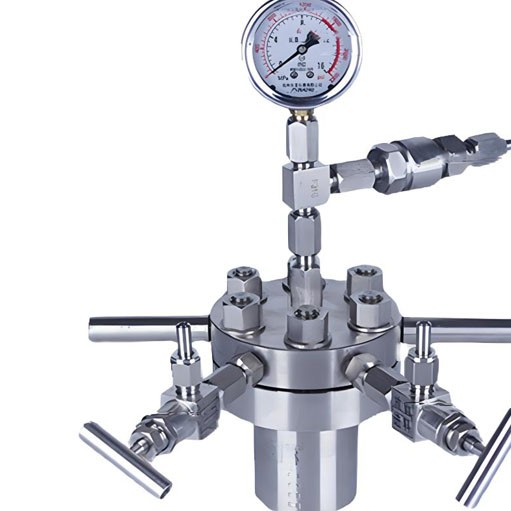

For more information on high pressure hydrogenation reactors and advanced temperature control solutions, please contact our experts at sales@achievechem.com. Our team is ready to help you optimize your chemical processes and overcome any temperature control challenges you may be facing.
References
Smith, J.M. and Van Ness, H.C. (2018). Introduction to Chemical Engineering Thermodynamics. McGraw-Hill Education.
Levenspiel, O. (2019). Chemical Reaction Engineering. John Wiley & Sons.
Fogler, H.S. (2020). Elements of Chemical Reaction Engineering. Prentice Hall.
Green, D.W. and Perry, R.H. (2017). Perry's Chemical Engineers' Handbook. McGraw-Hill Education.