


Do Calcium Have Chemical Reactor?
Sep 03, 2024
Leave a message
When discussing chemical processes and reactions, it's common to encounter various types of equipment designed to facilitate these reactions. One such piece of equipment that often comes up in conversations about industrial chemistry is the chemical reactor. But what about calcium? Does it have its own specific type of chemical reactor? To answer this question, we need to delve into the world of chemical engineering and explore the versatile nature of chemical reactors, particularly the stainless steel chemical reactor.
Understanding Chemical Reactors and Their Importance
Before we address the specific question about calcium, let's first understand what a chemical reactor is and why it's so crucial in various industrial processes. A chemical reactor is a vessel designed to contain and control chemical reactions. These reactors come in various shapes, sizes, and materials, depending on the specific requirements of the reaction they're meant to facilitate.
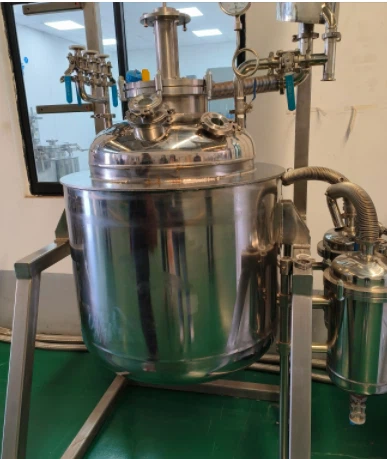
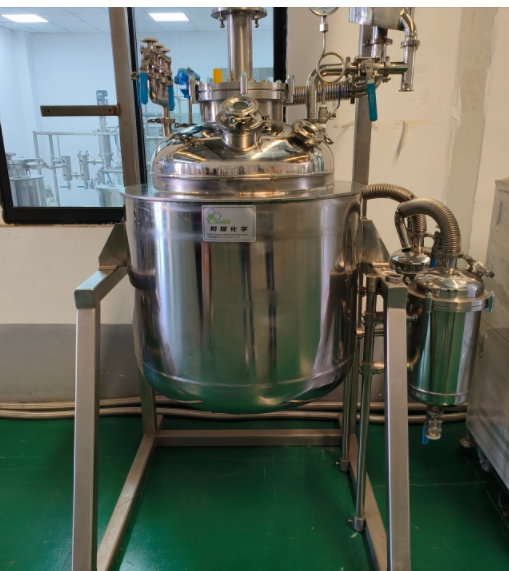
One of the most common and versatile types of chemical reactors is the stainless steel chemical reactor. Stainless steel is favored for its durability, resistance to corrosion, and ability to withstand high temperatures and pressures. These characteristics make stainless steel chemical reactor produced by the ss reactor manufacturer suitable for a wide range of chemical processes, including those involving calcium compounds.
The importance of chemical reactors in industrial processes cannot be overstated. They allow for precise control over reaction conditions, ensuring optimal yield and product quality. Whether it's in the pharmaceutical industry, food processing, or the production of various chemicals, chemical reactors play a pivotal role in transforming raw materials into valuable products.
Calcium and Its Role in Chemical Reactions
Calcium plays a crucial role in numerous chemical reactions and is an essential component of both biological systems and industrial processes. Calcium ions (Ca2+) are necessary for numerous physiological functions in biological systems. They regulate muscle contraction, the release of neurotransmitters, and blood clotting as secondary messengers in cellular signaling pathways. A rise in intracellular calcium concentration, for instance, causes the interaction between actin and myosin filaments in muscle cells to occur, resulting in contraction. Similarly, calcium ions are necessary for the activation of clotting factors, which together form a fibrin network to stabilize the blood clot, during the clotting process. Calcium compounds play an important role in numerous industrial chemical reactions in addition to their roles in biology.
For instance, calcium carbonate (CaCO3) is a crucial raw material in the production of cement and lime (calcium oxide), which are essential to the construction industry. Cement is made by heating calcium carbonate to make carbon dioxide and calcium oxide; Cement's precursor, clinker, is created as a result of the calcium oxide reacting with silica and other compounds. Another important compound is calcium chloride (CaCl2), which is used in a variety of chemical syntheses, as a food additive, and as a road deicer. Due to its hygroscopic properties, which aid in humidity control in certain processes, it facilitates several reactions.
Additionally, calcium sulfate (CaSO4) is utilized as a drying agent and in the production of plaster. Calcium increases reaction rates or makes certain processes easier by acting as a catalyst or stabilizing agent in some reactions. Transesterification reactions are used to make biodiesel, for example, with catalysts based on calcium. The many different roles that calcium plays show how important it is in driving and controlling chemical reactions in many different areas. This shows how important it is in both natural and artificial processes.
The Versatility of Stainless Steel Chemical Reactors
While calcium doesn't have a dedicated type of chemical reactor, the versatility of stainless steel chemical reactors makes them suitable for a wide range of calcium-related processes. Let's explore some of the key features that make stainless steel chemical reactors so adaptable:
◆ Corrosion Resistance: Stainless steel is highly resistant to corrosion, making it ideal for handling reactive substances like calcium compounds. This resistance helps extend the lifespan of the reactor and ensures the purity of the final product.
◆ Temperature Tolerance: Many reactions involving calcium require high temperatures. Stainless steel can withstand these elevated temperatures without compromising its structural integrity.
◆ Pressure Handling: Some calcium-related processes may involve high pressures. Stainless steel chemical reactors can be designed to safely contain these high-pressure reactions.
◆ Easy Cleaning and Maintenance: The smooth surface of stainless steel makes it easy to clean and maintain, which is crucial for ensuring consistent product quality and preventing cross-contamination between batches.
◆ Customizability: Stainless steel chemical reactors can be customized with various features such as heating jackets, agitators, and specific inlet and outlet configurations to suit the particular needs of different calcium-related processes.
These features make stainless steel chemical reactor produced by the ss reactor manufacturer an excellent choice for a wide range of chemical processes, including those involving calcium compounds. Whether it's the production of calcium hydroxide for water treatment or the synthesis of calcium-based pharmaceuticals, a well-designed stainless steel chemical reactor can handle the job efficiently and safely.
It's worth noting that while stainless steel is a popular choice, the selection of reactor material always depends on the specific requirements of the process. In some cases, other materials like glass-lined steel or specialized alloys might be more suitable for certain calcium-related reactions.
In conclusion, while calcium doesn't have a specific type of chemical reactor named after it, the versatility of it makes them suitable for many calcium-related processes. The choice of reactor depends on the specific requirements of the reaction, including temperature, pressure, corrosiveness of the reactants and products, and the desired outcome.
If you're involved in processes that require handling calcium compounds or any other chemical reactions, it's crucial to choose the right equipment. At ACHIEVE CHEM, we specialize in providing high-quality lab chemical equipment, including stainless steel chemical reactors. With our extensive experience and multiple technical patents, we're committed to being your reliable lab chemical equipment manufacturer.
For more information about our range of chemical reactors and other lab equipment, don't hesitate to contact us at sales@achievechem.com. Our team of experts is always ready to help you find the perfect solution for your chemical processing needs.
