


Are There Any Safety Concerns With Freeze Drying Fruit?
Mar 28, 2025
Leave a message
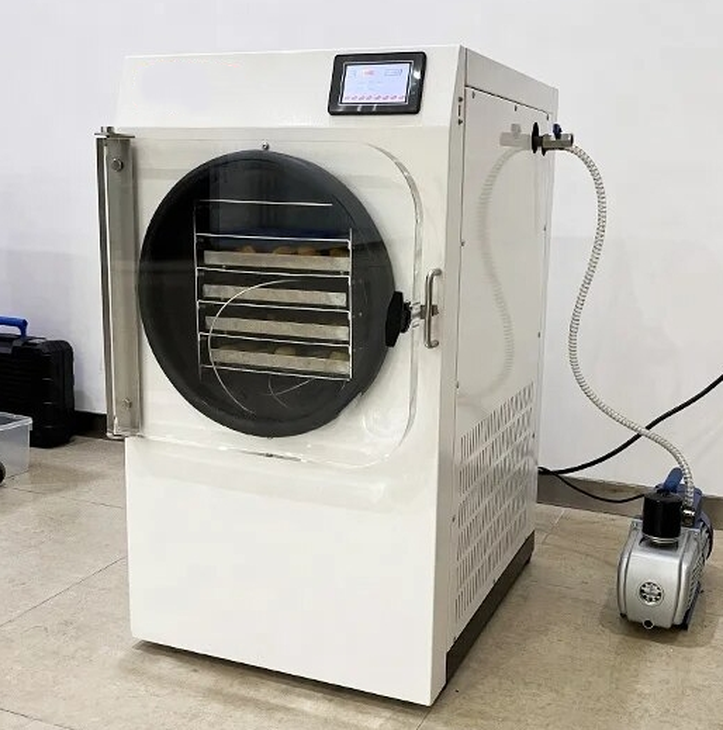
Freeze drying fruit has gained popularity among health-conscious consumers and food enthusiasts alike. This innovative preservation method allows for the enjoyment of natural flavors and nutritional benefits of fruits throughout the year. However, like any food processing technique, it's important to consider potential safety concerns. In this article, we will explore the safety aspects of fruit freeze dryer machine, including the process, potential risks, and best practices for using a fruit freeze dryer machine. Whether you're a home user or looking into commercial applications, understanding these safety considerations will help ensure that your freeze-dried fruits are both delicious and safe for consumption. We'll delve into the science of freeze drying, examine its effects on fruit quality, and provide tips for maintaining a hygienic freeze-drying environment.
Comprehending the Freeze-Drying Process and Its Impact on Fruit Safety
|
A sophisticated method of dehydration known as freeze drying, or lyophilization, preserves fruit's structure and nutritional content while removing moisture. After freezing the fruit, the surrounding pressure is decreased and heat is added to enable the fruit's frozen water to sublimate directly from the solid phase to the gas phase. A product made using this method retains its original shape and color, has a crisp texture, and is simple to rehydrate. From a safety standpoint, freeze drying offers several advantages. The low temperatures and absence of liquid water during the process create an inhospitable environment for many microorganisms, effectively reducing the risk of bacterial growth. Additionally, the removal of water content helps prevent spoilage and extends shelf life significantly. However, it's crucial to note that while freeze drying can inhibit microbial growth, it doesn't necessarily eliminate all pathogens. Proper handling and storage of both fresh fruit before processing and the final freeze-dried product are paramount to ensure food safety. |
|
|
|
The quality of the fruit being processed must be taken into account while utilizing a fruit freeze dryer machine. If possible, use only clean, fresh fruit to reduce the chance of contamination. Fruit that exhibits symptoms of mildew, bruises, or decay should be thrown away because they may jeopardize the product's safety. While there are no additional safety risks associated with the freeze-drying process itself, it is imperative to keep everything clean and adhere to the correct sanitation protocols at all times. |


Potential Safety Concerns and Best Practices for Fruit Freeze Drying
Although freeze drying is widely regarded as a safe fruit preservation technique, users should be aware of a few potential safety risks. The potential for inadequate drying, which can result in damp pockets inside the fruit, is one major worry. If these pockets are not thoroughly cleaned, they can turn into havens for bacteria and mold. Making sure the fruit has attained the proper moisture level and that the freeze-drying cycle is finished before packaging is essential to reducing this danger.
The possibility of cross-contamination during the freeze-drying process is another thing to think about. A fruit freeze dryer machine can store bacteria or other contaminants that could spread to subsequent fruit batches if it is not cleaned and maintained properly. To avoid this problem, the equipment must be sanitized and cleaned on a regular basis. Users should adhere to the cleaning and maintenance instructions provided by the manufacturer, paying special attention to any surfaces that come into contact with the fruit.
Proper packaging and storage of freeze-dried fruit are essential for ensuring its safety. After the freeze-drying process is complete, the fruit should be promptly sealed in airtight, moisture-proof containers to prevent rehydration and potential microbial growth. Adding oxygen absorbers to the packaging can further enhance shelf life and preserve quality. When storing freeze-dried fruit, it's important to keep it in a cool, dry location away from direct sunlight and heat sources.
It's crucial for everyone using a fruit freeze drier at home to be aware of the energy needs and possible risks related to electrical safety. Since these devices often take a lot of power, it is best to utilize them on a separate circuit to avoid overloading. When it comes to electrical safety, always heed the manufacturer's instructions and don't try to change or fix the machine unless you are trained to do so.
Nutritional Considerations and Quality Control in Freeze-Dried Fruit Production
|
One of the primary advantages of fruit freeze dryer machine is the preservation of nutritional content. Unlike other drying methods that may degrade vitamins and antioxidants, freeze drying retains most of the fruit's original nutritional value. However, it's important to note that the concentration of sugars and calories increases as the water is removed, potentially affecting the glycemic index of the fruit. Consumers should be aware of this when incorporating freeze-dried fruits into their diets, especially those monitoring their sugar intake. In order to produce safe and high-quality freeze-dried fruit, quality control is essential. This entails keeping an eye on the freeze-drying procedure itself in addition to applying strict fruit selection standards prior to processing. Putting in place a traceability system can assist in locating and resolving potential safety concerns. Following the Hazard Analysis and Critical Control Points (HACCP) guidelines can give commercial producers a methodical way to recognize and manage possible risks to food safety. |
|
|
|
The rehydration process of freeze-dried fruit also involves important safety considerations. Although freeze-dried fruit can be enjoyed in its dry state, many people choose to rehydrate it before consumption. It's essential to use clean, potable water for this purpose and to consume the rehydrated fruit promptly to reduce the risk of microbial growth. Any leftover rehydrated fruit should be treated like fresh fruit and stored accordingly. It is imperative for anyone considering employing a fruit freeze dryer machine for business use to be cognizant of the applicable food safety laws and guidelines. Commercial freeze-drying businesses can need to apply for licenses and undergo inspections in a lot of places. Remaining up to date with these requirements and putting appropriate manufacturing procedures into place can help you maintain product safety and guarantee compliance. |

Conclusion
In conclusion, freeze-drying fruit is generally safe as long as the right methods are followed, albeit there are some safety concerns to be aware of. Fruits can be kept for extended periods of time with their flavor, texture, and nutritional value intact thanks to a fruit freeze dryer machine. Both residential consumers and commercial producers can safely take use of the advantages of freeze-dried fruit by being aware of potential dangers and putting best practices in fruit selection, processing, packing, and storage into practice. As with any food preservation technique, making sure the finished product is safe and of high quality requires close attention to detail and a dedication to hygiene. Fruits that have been freeze-dried can be a tasty, healthy, and safe supplement to any diet when used properly.