



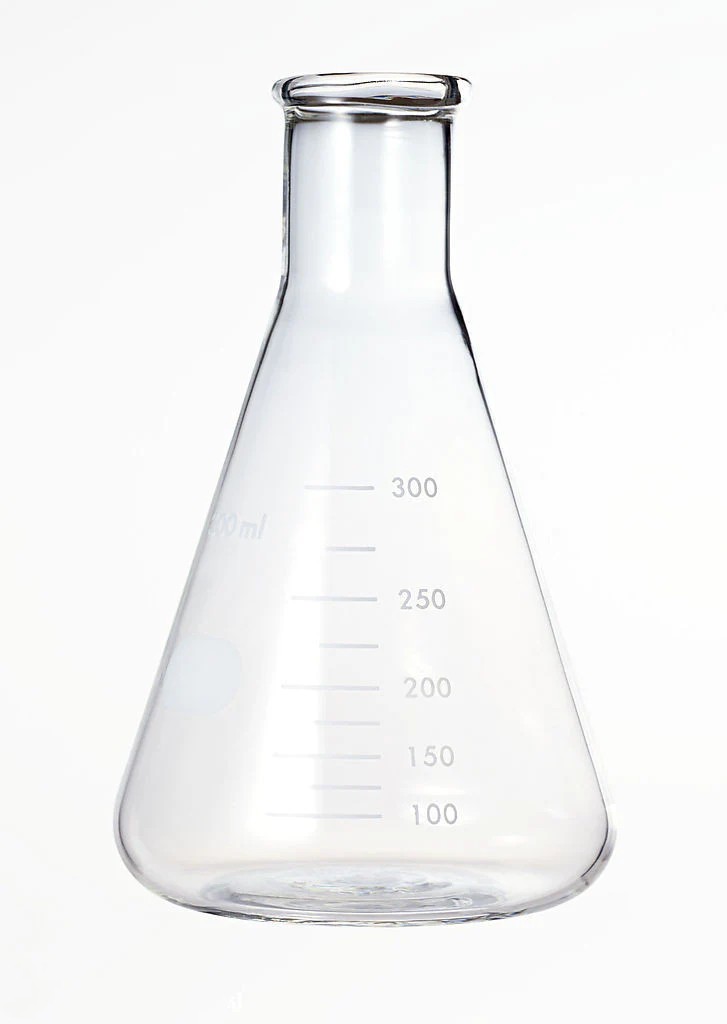

Lab Glass Reactor
(1)1L/2L/3L/5L---Standard
(2)10L/20L/30L/50L/100L---Standard/EX-proof/Lifting Kettle
(3)150L/200L---Standard/EX-proof
***Price List for whole above, inquire us to get
2. Customization:
(1)Design support
(2)Directly supply the Senior R&D organic intermediate, shorten your R&D time and cost
(3)Share the advanced purifying technology with you
(4)Supply the high quality chemicals and analysis reagent
(5)We want to assist you on Chemical Engineering (Auto CAD, Aspen plus etc.)
3. Assurance:
(1)CE and ISO certification Registered
(2)Trademark: ACHIEVE CHEM(since 2008)
(3)Replacement parts within 1-year for free
Description
Technical Parameters
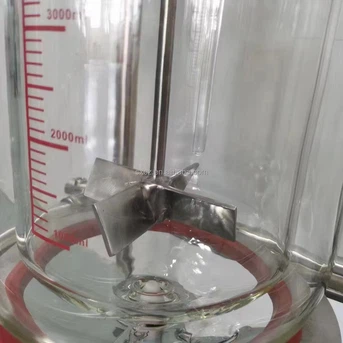
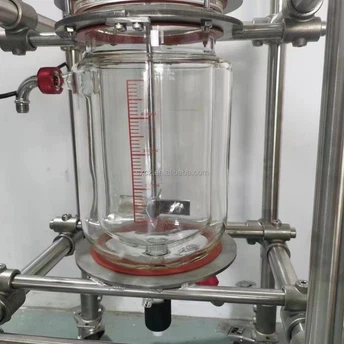
A lab glass reactor is an experimental equipment used for chemical reactions, usually made of corrosion-resistant glass material. This type of reactor has various advantages, such as high transparency, good chemical stability, high temperature resistance, low temperature resistance, etc. In the laboratory, it are widely used in various experimental operations of chemical and biological reactions, such as synthetic chemistry, physical chemistry, biochemistry, and other fields.
It typically have cylindrical or spherical structures with capacities ranging from a few milliliters to several liters. According to different experimental requirements, it can be equipped with various accessories, such as stirrers, heaters, coolers, temperature control systems, etc. These attachments can provide better experimental control and operational convenience.
|
|
|


Using Caution
When using a laboratory instrument for experiments, the following points should be noted:
Security check:
Before use, carefully check the integrity of the product, including whether the glass bottle is damaged, whether all interfaces match, and the condition of the sealing ring.
It is strictly prohibited to use hard tools to scrape or collide inside the kettle to avoid damaging the glass material.
Preparation and cleaning:
Before use, it should be thoroughly cleaned to remove residues and ensure that the quality and purity of reactants and reagents meet the requirements.
Regularly clean the sealing ring, check if there is any dirt on the shaft, wipe it clean with a soft cloth, then apply a little vacuum grease and reinstall it to keep the shaft and sealing ring smooth.
Operating precautions:
Wipe each interface with a soft cloth (which can be replaced by a napkin), and then apply a small amount of vacuum grease. After using vacuum grease, be sure to cover it well to prevent dust and sand from entering.
The interfaces of the glass reaction kettle should not be tightened too tightly, and should be regularly loosened to avoid long-term locking that may cause the connector to bite.
Electrical parts are strictly prohibited from entering water and getting damp.
After shutdown, loosen each PTFE switch. Prolonged inactivity in the working state can cause deformation of the PTFE piston.
Genuine accessories must be purchased, and using other accessories indiscriminately may cause damage to the machine.
Heating and temperature control:
The heating temperature of the glass reaction kettle shall not exceed the rated temperature of the equipment to avoid rupture.
According to the required reaction temperature, choose a suitable temperature control medium, such as ice ethanol at low temperature, water at room temperature, and dimethyl silicone oil at high temperature.
Pay attention to insulation, especially when using high or low temperatures, users need to wrap the reactor body and the pipes of the thermal conductivity medium circulation with insulation materials.
Feeding and stirring:
The feeding process should be slow to avoid excessive foam or splashing. Solid reagents can be mixed into a solution and added to the kettle, while liquid reagents can be pumped into the kettle through a matching water pump or oil pump.
When starting the mixer, the mixing speed should be controlled to avoid excessive foam or splashing.
Monitoring and recording:
During the reaction process, it is necessary to constantly monitor the reaction temperature and pressure to ensure the safety and smoothness of the reaction process.
Close observation of reaction phenomena, such as color changes, bubble formation, etc., and recording of experimental data for subsequent analysis.
Storage and maintenance:
The storage location should be reasonable, choose a flat place to place, and keep the mechanical mixing center consistent with the reactor to avoid shaking instability.
The storage area should be well ventilated.
Regularly maintain and upkeep the equipment to ensure its normal operation.
Following the above precautions can ensure the safe and efficient use of laboratory instruments.
Product Material


The material of the lab glass reactor is mainly high borosilicate glass. This type of glass has excellent heat resistance and chemical stability, and can withstand high temperature and high pressure working environments. In addition, high borosilicate glass also has a low coefficient of expansion and excellent cold and heat resistance.
In addition to high borosilicate glass, laboratory instrument can also use stainless steel reactors. Stainless steel reaction kettle is usually composed of kettle body, kettle cover, sheath, agitator, transmission device, shaft seal device, bracket, etc. The materials generally include carbon manganese steel, stainless steel, zirconium, nickel based (Hastelloy, Monel alloy) alloy and other composite materials. Stainless steel reactors are widely used in fields such as petroleum, chemical, rubber, pesticides, dyes, pharmaceuticals, and food.
The glass lined reactor is also a laboratory instrument, which is a composite product made of high silicon glass, lined on the inner surface of a steel container, and firmly adhered to the metal surface after high-temperature combustion. Glass lined reactors have excellent corrosion resistance, high temperature resistance, and acid resistance, making them suitable for various chemical and biological reactions.
In summary, the materials used in laboratory instrument mainly include high borosilicate glass and stainless steel reactors. Different materials have different advantages and applicability, and need to be selected and used according to experimental needs. At the same time, it is necessary to pay attention to safe operation and equipment maintenance to ensure the accuracy and safety of the experiment.

Installation Details
|
|
|
 |


There are various types of lab glass reactors, each with its specific purpose and field. The following are several common laboratory instrument and their uses:
Flask:
A flask is a laboratory instrument used for liquid or solid reactions, with two designs: round bottomed and flat bottomed. It usually has a longer bottleneck and a spherical or pear shaped body. Flasks can be used for various chemical reactions, biological reactions, physical and chemical experiments, etc.
Beaker:
A beaker is a laboratory instrument used for liquid reactions, with a straight tube shape or slightly closed design. It usually has short bottlenecks and large capacity, and is suitable for various experimental operations such as liquid mixing, chemical reactions, and biological reactions.
Test tube:
A test tube is a laboratory instrument used for liquid or solid reactions, with a straight tube shape or slightly closed design. It usually has short bottlenecks and small capacity, and is suitable for various chemical reactions, biological reactions, physical and chemical experiments, etc.
Seperator:
A separator is a laboratory instrument used for gas separation, with a straight tube shape or slightly closed design. It usually has a short bottleneck and small capacity, and is suitable for various gas separation experiments, chromatography experiments, etc.
lab Equipments

In addition to the common laboratory instruments mentioned above, there are also many other types of reactors, such as bottle reactors, tower reactors, jet reactors, etc. These reactors have specific applications and fields.
In the laboratory, the most commonly used laboratory instruments include flasks, beakers, and test tubes. These reactors are widely used in various chemical reactions, biological reactions, physical and chemical experiments, etc. Among them, the flask is one of the most commonly used reactors because it can be used for various liquid or solid reactions and has good insulation performance; The beaker is suitable for various liquid mixing and chemical reactions; Test tubes are suitable for various small-scale experiments and biological reactions.
In summary, laboratory glass reactors are important equipment for conducting chemical reactions, biological reactions, and other experimental operations in the laboratory. Different reactors have different purposes and characteristics, and need to be selected and used according to experimental needs. At the same time, it is necessary to pay attention to safe operation and equipment maintenance to ensure the accuracy and safety of the experiment.
Hot Tags: lab glass reactor, China lab glass reactor manufacturers, suppliers, factory, Teflon Autoclave, SS316 Reactor, Hydrothermal Reactor, High Pressure High Temperature Reactor, 5l Short Path Distillation, Chemical Equipment
Previous
Electric Heating ReactorSend Inquiry


