



Manual Tablet Punching Machine

Manual Tablet Punching Machine
Manual Tablet Punching Machine

Manual Tablet Punching Machine

Manual Tablet Punching Machine

Manual Tablet Punching Machine

Manual Tablet Punching Machine
Manual Tablet Punching Machine
Manual Tablet Punching Machine

Manual Tablet Punching Machine
Manual Tablet Punching Machine
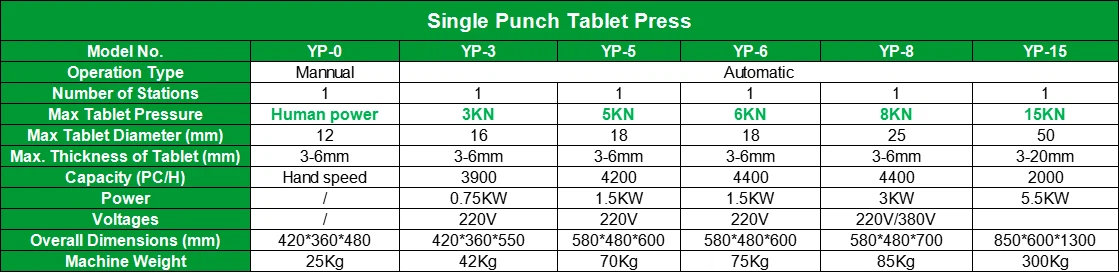
(1)Instan. Pressure: Hand/3/5/6/8/15(ton)
(2)Thickness of Tablet: 3-6mm/3-20mm
(3)Production Capacity: 0~4400(PC/H)
***Price List for whole above, inquire us to get
2. Customization:
(1)Design support
(2)Directly supply the Senior R&D organic intermediate, shorten your R&D time and cost.
(3)Share the advanced purifying technology with you
(4)Supply the high quality chemicals and analysis reagent
(5)We want to assist you on Chemical Engineering (Auto CAD, Aspen plus etc.)
3. Assurance:
(1)CE and ISO certification Registered
(2)Trademark: ACHIEVE CHEM(since 2008)
(3)Replacement parts within 1-year for free
Description
Technical Parameters
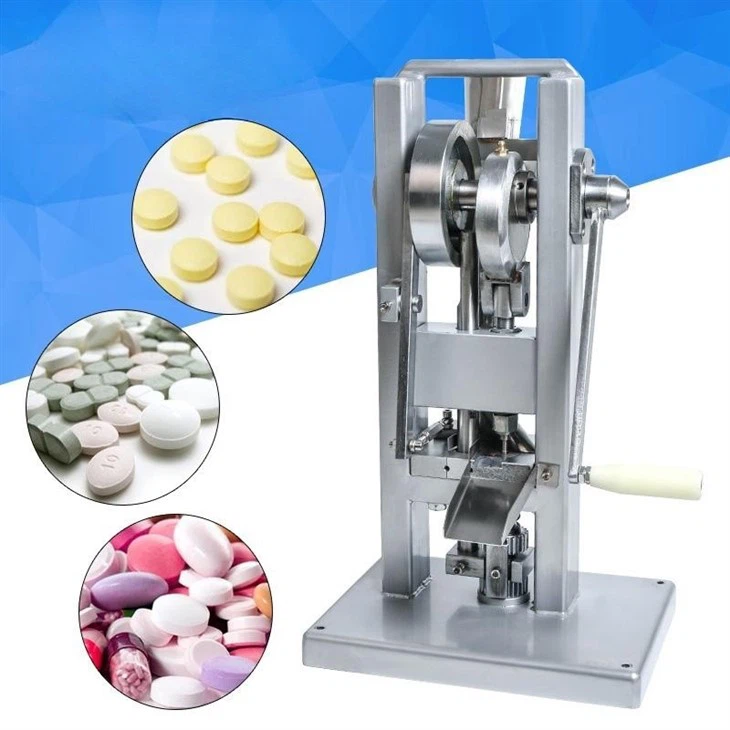
The Manual Tablet Punching Machine is a fundamental equipment in the pharmaceutical industry, primarily utilized for the production of small batches or prototype tablets. This machine operates on a manual basis, allowing for precise control and flexibility in the tablet-making process.
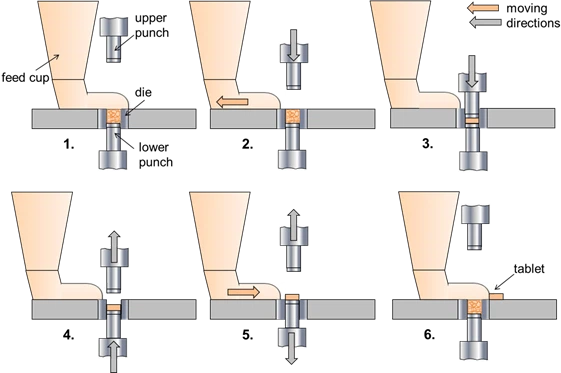
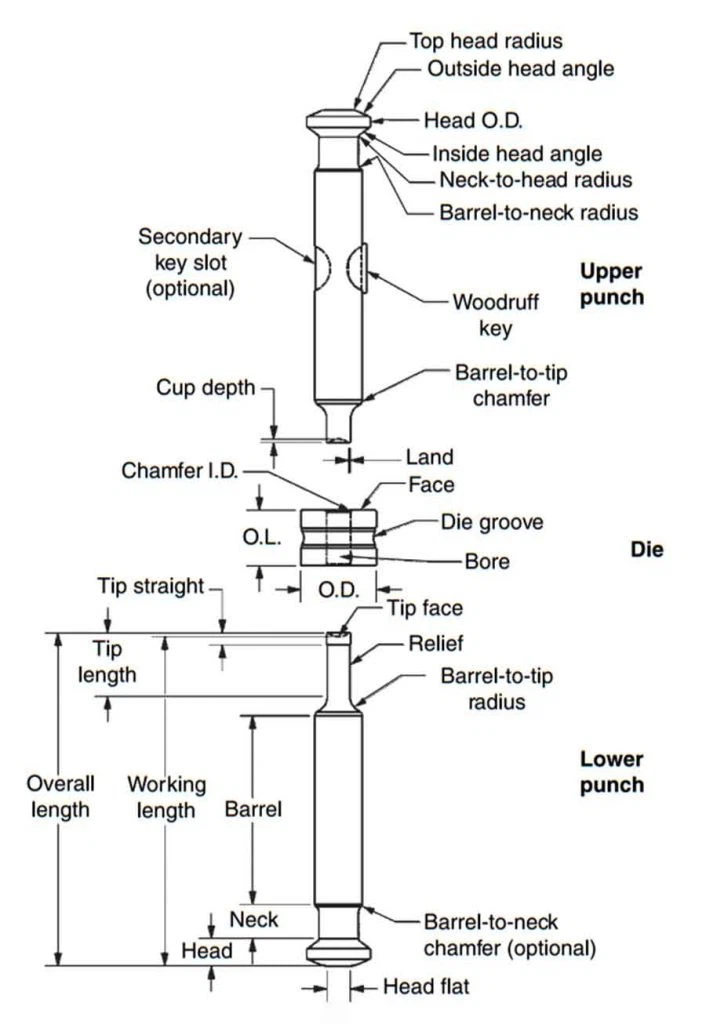
The core components of the manual tablet punch include a die set, a punch assembly, and an adjustable pressure mechanism. The die set consists of multiple die cavities, where the powdered material is compressed into tablets. The punch assembly, featuring an upper and a lower punch, applies the necessary force to compress the material within the dies. The adjustable pressure mechanism enables users to customize the compression force, ensuring tablets meet specific hardness and thickness requirements.
Operating it is straightforward. Users first fill the die cavities with the formulated powder, then manually engage the lever to activate the punch assembly. This action compresses the powder into tablets, which can then be easily ejected for further processing or packaging.
One of the primary advantages of this machine is its affordability and compact design, making it ideal for small-scale production, research and development, and educational purposes. Additionally, its manual operation offers a hands-on approach, allowing for meticulous quality control and adjustments during the tablet-making process.
In summary, the manual tablet punching machine provides a reliable and cost-effective solution for producing tablets in small quantities, offering versatility and precision in the pharmaceutical manufacturing workflow.
Specifications
|
|
|

Tablet Coating
Thin film coating can be categorized into three main types based on their solubility:
Gastric-soluble Type
Dissolves in the stomach. Materials commonly used include hydroxypropyl methylcellulose (HPMC), hydroxypropyl cellulose (HPC), acrylic resin IV, polyvinylpyrrolidone (PVP), and polyvinyl butyral (PVB).
Enteric-soluble Type
Dissolves in the intestine. Materials used include shellac, cellulose acetate phthalate (CAP), acrylic resins (Types I, II, III), and hydroxypropyl methylcellulose phthalate (HPMCP).
Water-insoluble Type
Does not dissolve in water. Materials used include ethyl cellulose (EC) and cellulose acetate.
Thin film coating materials typically consist of high-molecular-weight materials, plasticizers, speed regulators, colorants, and opacifiers.
- High-molecular-weight Materials: These are the main components that form the coating film. The selection depends on the type of coating required (gastric-soluble, enteric-soluble, or water-insoluble).
- Plasticizers: These improve the flexibility and adhesion of the coating film. Water-soluble plasticizers include propylene glycol, glycerin, and polyethylene glycol, while water-insoluble plasticizers include glycerin triacetate, acetylated glycerides, and phthalates.
- Speed Regulators/Porogens: These are water-soluble substances that improve the drug release rate of water-insoluble coating films. Common porogens include sucrose, sodium chloride, surfactants, and PEG.
- Colorants: These are added to give the coating film a specific color.
- Opacifiers: These increase the light stability of the drug. Common materials used are titanium dioxide.
|
|
|


Key Components
Coated Pan/Drum
This is the main chamber where the tablets are placed during the coating process. It rotates to ensure even distribution of the coating material.
01
Spray Gun/Nozzles
These are used to apply the coating material in a fine mist or spray onto the tablets.
02
Heating and Ventilation System
This system helps to control the temperature and humidity within the pan, ensuring optimal drying and coating conditions.
03
Drive System
The drive system powers the rotation of the pan and may also control other aspects of the machine, such as the spray rate.
04
Sugar-coating machines typically operate through a combination of rotation, spray coating, and hot air drying. The tablets are placed in a rotating drum where they are coated with a solution or suspension of the desired coating material. Hot air is then used to dry and set the coating.
Working Steps
Tablet Loading
The tablets are loaded into the coated pan.
01
Spray Application
The coating material is sprayed onto the tablets through the spray gun or nozzles. This material may include sugar syrup, water-soluble film, or other suitable coatings.
02
Pan Rotation
The pan rotates, causing the tablets to tumble and mix, ensuring an even distribution of the coating material.
03
Drying
As the tablets tumble, heated air is circulated around them, causing the coating to dry and form a smooth, glossy surface.
04
Inspection and Discharging
Once the desired coating thickness and appearance are achieved, the tablets are inspected and then discharged from the pan.
05
combined application
The combined application of sugar-coating machines and tablet presses represents a pivotal process in pharmaceutical and confectionery manufacturing, ensuring both the functionality and appeal of final products. Tablet presses are initially utilized to compress powdered ingredients into cohesive tablets of uniform size, shape, and weight. This precision is crucial for accurate dosing and patient safety.
Once the tablets are formed, they are often transferred seamlessly to sugar-coating machines for enhancement. These machines apply layers of sugar syrup or other edible coatings, followed by drying cycles, to create a smooth, glossy exterior that not only improves the tablet's appearance but also enhances its taste, stability, and sometimes even extends its shelf life by protecting it from moisture and oxidation.
The integration of these two machines often involves automated conveying systems, minimizing human intervention and reducing the risk of contamination. Furthermore, the synchronized operation allows for continuous production, optimizing efficiency and productivity. The result is a high-quality, visually appealing product that meets industry standards and consumer expectations, blending science with aesthetics in the manufacturing process.
Design Features
The manual tablet punching machine boasts remarkable ease of operation, making it an ideal choice for laboratories and small-scale pharmaceutical production. Designed with user-friendliness in mind, this machine simplifies the tablet pressing process significantly.
First and foremost, its intuitive interface requires minimal training, allowing operators to begin using it almost immediately. The manual operation mode eliminates the need for complex programming or digital settings, making it accessible to a broader range of users, including those with limited technical skills.
The machine features ergonomic handles and levers that can be easily manipulated, even during extended use, reducing operator fatigue. Loading and unloading of dies and punches are straightforward, thanks to the accessible design, which facilitates quick changeovers and setup adjustments.
Additionally, the manual tablet punching machine is compact and lightweight, enabling easy portability and placement within constrained workspace environments. This enhances its versatility, allowing for flexible deployment where and when needed.
Maintenance is also hassle-free, with easily accessible parts for cleaning and lubrication. Overall, the machine's streamlined design and straightforward functionality ensure that even routine operations are performed efficiently, promoting productivity and reliability in tablet manufacturing processes.
Hot Tags: manual tablet punching machine, China manual tablet punching machine manufacturers, suppliers, factory, Hand Tablet Press Machine, Pill Press Equipment, Rotary Tablet Press Machine, Single Punch Tablet Press, Tablet Press Machine, Tablet Punching Machine
Previous
Multi Station Rotary PressSend Inquiry


