


Why Is Rotary Evaporation Used
Jul 19, 2024
Leave a message
At its core, rotary evaporation involves the removal of solvents from a mixture by evaporation under reduced pressure. This technique is favored because it allows for the efficient and gentle removal of solvents at lower temperatures, preventing the degradation of sensitive compounds. By lowering the pressure inside the evaporator, the boiling points of the solvents are reduced, enabling evaporation to occur more rapidly and at much lower temperatures than usual.

Key Components and Their Functions
To understand why rotary evaporator is so effective, it is essential to know the main components of the apparatus:
Rotating Flask:
Increases the surface area of the liquid for more efficient evaporation.
01
Vacuum System:
Reduces the pressure within the evaporator, lowering the boiling points of the solvents.
02
Heating Bath:
Provides a controlled heat source to facilitate evaporation.
03
Condenser:
Cools the vaporized solvent, converting it back to liquid form.
04
Receiving Flask:
Collects the condensed solvent, allowing for easy recovery or disposal.
05
Efficient Solvent Removal
One of the primary reasons for using rotary evaporation is its efficiency in removing solvents. This technique is crucial in many chemical processes where solvents need to be removed quickly and without degrading the target compounds. The ability to evaporate solvents at lower temperatures makes rotary evaporator ideal for handling heat-sensitive substances, ensuring the integrity and purity of the final product.
Concentration of Solutions
In small laboratories, the concentration of solutions is a common task that can be efficiently achieved through rotary evaporator. By removing the solvent, we can increase the concentration of the desired compound in the remaining solution. This is particularly useful for preparing samples for analysis or further reactions, where a higher concentration of the target substance can lead to more accurate and reliable results.
Purification of Compounds
rotary evaporator is also indispensable for the purification of chemical compounds. During synthesis, unwanted solvents and impurities often need to be removed to isolate the pure product. The rotovap facilitates this process by efficiently separating the solvent from the desired compound, allowing for the purification of the final product. This step is vital for ensuring the quality and consistency of experimental outcomes.
Applications in Organic Chemistry

In the realm of organic chemistry, rotary evaporator is an essential technique. It is commonly used after reactions to remove solvents and isolate the target compounds.
For instance, after a chemical reaction or extraction, the rotary evaporator can quickly remove the organic solvents, leaving behind the desired product. This process is repeated in various types of reactions, making the rotovap a staple in organic chemistry laboratories.
Enhancing Laboratory Efficiency
From my experience, rotary evaporator significantly enhances laboratory efficiency. Its ability to quickly and gently remove solvents reduces the time required for many experimental procedures. This efficiency allows for the handling of multiple samples in a shorter timeframe, increasing overall productivity. Moreover, the precise control over temperature and pressure settings ensures consistent and reproducible results, which is crucial for experimental accuracy.
Safety Considerations
Safety is a paramount concern when using a rotary evaporator. The apparatus involves vacuum conditions, heat, and potentially hazardous chemicals. Proper training and adherence to safety protocols are essential to prevent accidents. Regular maintenance and inspection of the equipment, ensuring that glassware is intact and connections are secure, are critical for safe operation. Additionally, using appropriate personal protective equipment, such as gloves and safety goggles, is necessary to protect against chemical exposure.
Versatility in Applications
The versatility of rotary evaporation extends beyond just solvent removal and concentration. It is used in various applications, including the preparation of analytical samples, extraction of bioactive compounds, and even in the culinary field for flavor extraction. This wide range of applications underscores the rotovap's importance across different scientific disciplines and industries.
Advanced Features and Innovations
Modern rotary evaporators come equipped with advanced features that further enhance their functionality. Digital controls, automated systems, and improved safety features make the operation more straightforward and reliable. Innovations such as solvent recovery systems also contribute to sustainable laboratory practices by reducing waste and recycling solvents. These advancements not only improve the efficiency of the process but also enhance safety and environmental sustainability.
Case Study: Extraction of Natural Compounds
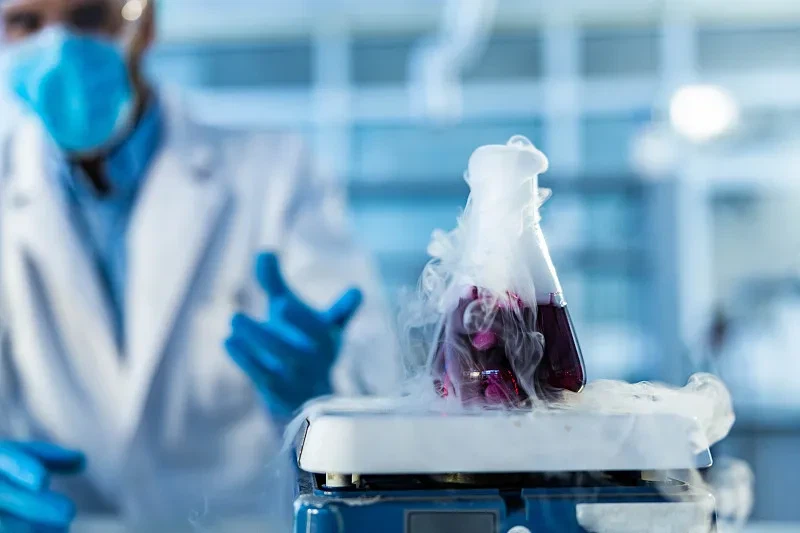
In a project involving the extraction of natural compounds from plant materials, one person used rotary evaporator to remove the solvent from the extract. The reduced pressure allowed him to evaporate the solvent at a lower temperature, preserving the integrity of the heat-sensitive bioactive compounds. This step was crucial for obtaining a concentrated extract with high purity, which was then used for further analysis and experimentation.
Importance in Research and Development
Rotary evaporation plays a critical role in research and development, particularly in the pharmaceutical and chemical industries. It enables researchers to quickly and efficiently concentrate and purify compounds, facilitating the development of new drugs and materials. The precision and reliability of the rotovap are essential for producing consistent and reproducible results, which are crucial for advancing scientific research.
Environmental and Economic Benefits
The use of rotary evaporator also offers environmental and economic benefits. By efficiently recovering and reusing solvents, laboratories can reduce waste and minimize the environmental impact of their operations. This not only supports sustainable laboratory practices but also results in cost savings. The ability to reuse solvents reduces the need for purchasing new solvents, contributing to more economical laboratory management.
Future Trends in Rotary Evaporation
Looking ahead, the development of rotary evaporators continues to evolve with a focus on increasing efficiency, automation, and integration with other laboratory systems. The incorporation of smart technology and IoT (Internet of Things) capabilities allows for remote monitoring and control, providing researchers with more flexibility and control over their experiments. Future trends may also include advancements in materials and design, further enhancing the safety and efficiency of the process.
Conclusion
In summary, rotary evaporation is a fundamental technique used in small laboratories for various reasons. Its primary purposes include the efficient and gentle removal of solvents, concentration of solutions, and purification of chemical compounds. The rotovap's ability to operate at reduced pressure and lower temperatures makes it ideal for handling heat-sensitive substances, ensuring the integrity and purity of the final product. Its versatility, efficiency, and safety make it an indispensable tool in many experimental setups. Understanding the principles and benefits of rotary evaporator can greatly enhance laboratory productivity and the quality of experimental results.
References
Büchi Labortechnik AG. "Rotary Evaporators: Applications in Laboratories." Büchi Labortechnik AG.
Sigma-Aldrich. "Rotary Evaporator." Sigma-Aldrich.
Lab Manager. "Choosing the Right Rotary Evaporator for Your Lab." Lab Manager.
Chemglass Life Sciences. "Introduction to Rotary Evaporation." Chemglass Life Sciences.
AZoM. "Rotary Evaporators: An Overview." AZoM.
Labconco Corporation. "Rotary Evaporator Applications." Labconco Corporation.