


Which Substance Can Be Purified By Crystallization?
Sep 06, 2024
Leave a message
Introduction
Crystallization is an intriguing interaction that has been utilized for a really long time to filter different substances. This method is used to separate pure compounds from mixtures in many industries, including pharmaceuticals and table salt. Crystallization includes the development of strong gems from a fluid or gas, frequently determined by changes in temperature or fixation. This procedure isn't just fundamental for delivering high-immaculateness synthetic compounds yet additionally for making items with explicit properties and characteristics. The effectiveness of crystallization largely depends on the quality of the equipment used. A high-quality crystallization reactor ensures precise control of temperature and concentration, leading to the formation of pure, well-defined crystals. This, in turn, enhances the efficiency of the purification process and the quality of the final product. By understanding and optimizing crystallization techniques, industries can achieve better results and maintain high standards in their products.
So, which substances can be purified through crystallization? This method is particularly effective for substances that have distinct and well-defined solubility characteristics, such as table salt (sodium chloride), sugar (sucrose), and various salts and metals. In the pharmaceutical industry, crystallization is used to purify active pharmaceutical ingredients (APIs), ensuring that medications are safe and effective. Organic compounds, including essential oils and certain dyes, are also commonly purified through crystallization.

Understanding the Crystallization Process
Let's take a moment to comprehend what crystallization actually is before delving into the substances that can be purified through crystallization. The formation of solid crystals from a solution by dissolved substances is known as crystallization. This occurs when the solution reaches supersaturation, or a temperature at which it can normally hold more dissolved solute.
The crystallization process typically involves the following steps:
Creating a supersaturated solution
Nucleation (the formation of tiny crystal seeds)
Crystal growth
Separation of crystals from the remaining solution
A crystallization reactor is a specialized piece of equipment designed to facilitate and control this process. These reactors provide precise temperature control, agitation, and sometimes pressure regulation to ensure optimal crystal formation and growth.
Substances Suitable for Crystallization Purification

Now that we have a basic understanding of the process, let's explore the types of substances that can be purified through crystallization:
● Inorganic Compounds
Many inorganic compounds can be effectively purified using crystallization. Some common examples include:
Salts (e.g., sodium chloride, potassium chloride)
Metal sulfates (e.g., copper sulfate, aluminum sulfate)
Metal nitrates (e.g., silver nitrate, potassium nitrate)
Metal chlorides (e.g., magnesium chloride, calcium chloride)
These compounds often form well-defined crystals, making them ideal candidates for purification in a crystallization reactor. The process can effectively remove impurities, resulting in high-purity products essential for various industrial and laboratory applications.
● Organic Compounds
Crystallization is also widely used to purify organic compounds, especially in the pharmaceutical and fine chemical industries. Some examples include:
Amino acids
Carbohydrates (e.g., glucose, sucrose)
Organic acids (e.g., citric acid, tartaric acid)
Pharmaceutical compounds (e.g., aspirin, paracetamol)
Aromatic compounds (e.g., naphthalene, anthracene)
The purification of organic compounds often requires careful control of temperature, solvent selection, and cooling rates. A well-designed crystallization reactor can provide the precise control needed to achieve high-purity crystals while minimizing the inclusion of impurities.
● Proteins and Biomolecules
In the biotechnology and pharmaceutical industries, crystallization is increasingly being used to purify complex biomolecules such as:
Enzymes
Antibodies
Hormones
Nucleic acids
Due to the delicate nature of these molecules, protein crystallization is particularly challenging. Crystallization reactors with the ability to precisely maintain temperature, pH, and ionic strength are frequently required. Both purification and X-ray crystallography structural biology research depend on the ability to produce high-quality protein crystals.
The Importance of a Quality Crystallization Reactor
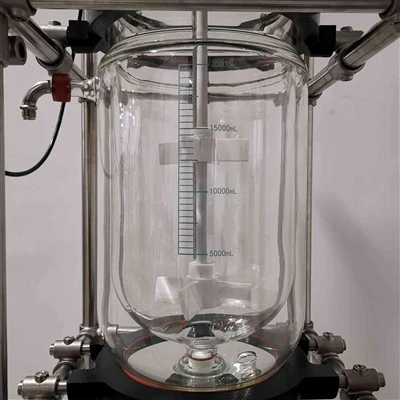
While the list of substances that can be purified by crystallization is extensive, the success of the process largely depends on the quality of the equipment used. A high-quality crystallization reactor is essential for achieving optimal results, particularly when dealing with sensitive or high-value substances.
Key features of a good crystallization reactor include:
● Precise temperature control: The ability to accurately control and maintain temperature is crucial for controlling supersaturation and crystal growth rates.
● Efficient mixing: Proper agitation ensures uniform supersaturation and prevents localized high concentrations that can lead to unwanted nucleation.
● Material compatibility: The reactor should be constructed from materials that are compatible with the substances being crystallized and the solvents used.
● Scalability: The ability to scale up from laboratory to industrial production while maintaining consistent results is vital for many applications.
● Monitoring capabilities: In-situ monitoring of crystal formation and growth can provide valuable insights and help optimize the process.
Investing in a high-quality crystallization reactor can lead to improved product purity, higher yields, and more consistent results. This is particularly important in industries where product quality and consistency are paramount, such as pharmaceuticals and fine chemicals.
Conclusion
Crystallization is a flexible refinement strategy that can be applied to a great many substances, from basic inorganic salts to complex biomolecules. The way to effective crystallization lies not just in understanding the properties of the substance being sanitized yet additionally in involving the right gear to make it happen.
A high-quality crystallization reactor provides the precise control and monitoring capabilities needed to optimize the crystallization process for each specific substance. Whether you're working in a research laboratory or an industrial production facility, choosing the right crystallization equipment can make a significant difference in the quality and efficiency of your purification processes.
Crystallization reactors that are even more advanced and provide enhanced control, automation, and scalability are something that we can anticipate to see as technology continues to advance. These developments will probably make it possible to effectively purify a wider range of substances through crystallization, opening up new opportunities in areas like materials science, biotechnology, and pharmaceuticals.
If you're interested in learning more about crystallization reactors or need assistance in selecting the right equipment for your purification needs, don't hesitate to reach out to the experts at ACHIEVE CHEM. With their extensive experience and range of high-quality lab chemical equipment, they can help you find the perfect solution for your crystallization projects.