


What Is The Purpose Of The Exhaust System in Electric Heating Reactors?
Mar 04, 2025
Leave a message
Electric heating reactors are indispensable tools in various industries, from chemical manufacturing to pharmaceutical production. These reactors play a crucial role in facilitating controlled chemical reactions under specific temperature and pressure conditions. One of the most vital components of these reactors is the exhaust system. This blog post will delve into the purpose and importance of exhaust systems in electric heating reactors, exploring how they contribute to efficiency, safety, and overall performance.
How exhaust systems improve reactor efficiency
The exhaust system in an electric heating reactor serves multiple purposes, all of which contribute to improved efficiency and performance:
|
◆ Pressure regulation: The exhaust system helps maintain optimal pressure within the reactor vessel. By allowing excess pressure to be released in a controlled manner, it prevents over-pressurization and ensures that reactions occur under the desired conditions. ◆ Removal of byproducts: Many chemical reactions produce gaseous byproducts that need to be removed from the reactor. The exhaust system facilitates the safe removal of these byproducts, preventing them from interfering with the ongoing reaction or compromising the quality of the final product. ◆ Temperature control: In some cases, the exhaust system can aid in temperature regulation by removing hot gases and vapors, helping to maintain the desired reaction temperature. ◆ Enhanced mixing: The flow of gases through the exhaust system can create turbulence within the reactor, promoting better mixing of reactants and improving overall reaction efficiency. ◆ Prevents contamination: By removing unwanted gases and vapors, the exhaust system helps prevent contamination of the reaction mixture, ensuring higher product purity. |
|
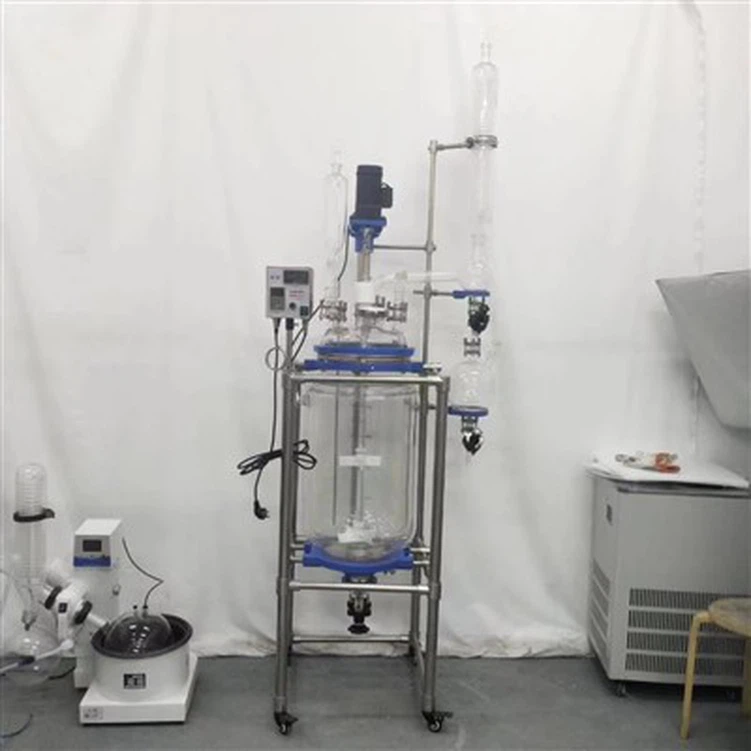
These efficiency improvements translate to tangible benefits for industrial processes. By optimizing reaction conditions and product quality, exhaust systems contribute to increased productivity, reduced waste, and ultimately, improved profitability for businesses utilizing electric heating reactors.
Key components of an electric heating reactor exhaust
To fully appreciate the role of exhaust systems in electric heating reactors, it's essential to understand their key components:
|
|
◆ Exhaust valve: This is the primary component that controls the release of gases from the reactor. It's typically a high-quality, pressure-rated valve capable of withstanding high temperatures and corrosive environments. ◆ Pressure relief devices: These safety components, such as rupture disks or pressure relief valves, are designed to automatically release pressure if it exceeds safe levels, preventing potential accidents. ◆ Condensers: In many applications, condensers are integrated into the exhaust system to cool and condense vapors, recovering valuable products or preventing the release of potentially harmful substances into the environment. ◆ Scrubbers: For processes that generate harmful or polluting gases, scrubbers may be incorporated into the exhaust system to remove contaminants before the gases are released into the atmosphere. |
|
◆ Piping and ductwork: These components channel the exhaust gases from the reactor to the appropriate treatment or release point. They must be constructed from materials capable of withstanding the temperatures and chemical compositions of the exhaust gases. ◆ Monitoring and control systems: Advanced exhaust systems often incorporate sensors and control systems to monitor gas composition, flow rates, and pressure, allowing for precise control and optimization of the exhaust process. ◆ Heat exchangers: In some cases, heat exchangers may be integrated into the exhaust system to recover thermal energy from hot exhaust gases, improving overall energy efficiency. |
|
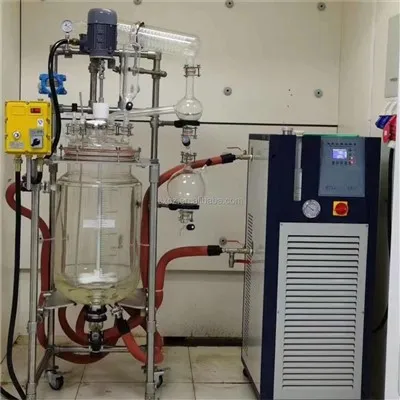

The specific configuration and components of an exhaust system can vary depending on the particular requirements of the reaction being carried out in the electric heating reactor. Factors such as the nature of the reactants and products, operating conditions, and safety considerations all influence the design of the exhaust system.
Common issues with reactor exhaust systems and solutions
While exhaust systems are crucial for the efficient operation of electric heating reactors, they can sometimes encounter issues that affect their performance. Here are some common problems and their potential solutions:
► Corrosion: Exhaust gases can be highly corrosive, leading to degradation of system components over time.
Solution: Use corrosion-resistant materials such as high-grade stainless steel or specialized alloys. Regular inspections and preventive maintenance can also help identify and address corrosion issues before they become severe.
► Fouling and clogging: Deposits from reaction byproducts can accumulate in the exhaust system, reducing efficiency and potentially causing blockages.
Solution: Implement regular cleaning procedures, such as chemical cleaning or mechanical scrubbing. In some cases, the installation of in-line filters or separators can help prevent fouling.
► Pressure fluctuations: Inconsistent pressure in the exhaust system can lead to inefficient operation and potentially affect the reaction conditions within the reactor.
Solution: Install pressure regulators and ensure proper sizing of exhaust components. Regular calibration of pressure control devices is also essential.
► Leaks: Leaks in the exhaust system can pose safety risks and compromise the integrity of the reaction environment.
Solution: Conduct regular leak tests and implement a comprehensive maintenance program. Use high-quality seals and gaskets, and ensure proper installation and tightening of all connections.
► Insufficient capacity: An undersized exhaust system may not be able to handle the volume of gases produced, leading to pressure buildup and potential safety issues.
Solution: Conduct a thorough analysis of the reaction requirements and design the exhaust system with adequate capacity. Consider future needs and potential process changes when sizing the system.
► Temperature control issues: Inadequate temperature management in the exhaust system can lead to condensation, corrosion, or unwanted reactions.
Solution: Implement proper insulation and heating systems for the exhaust components. Use temperature monitoring devices and control systems to maintain optimal conditions throughout the exhaust pathway.
► Environmental compliance: Failure to meet environmental regulations regarding exhaust emissions can result in legal issues and fines.
Solution: Stay informed about relevant environmental regulations and incorporate appropriate emission control technologies, such as scrubbers or catalytic converters, into the exhaust system design.
Addressing these common issues requires a proactive approach to maintenance and a deep understanding of the specific requirements of each electric heating reactor application. Regular monitoring, preventive maintenance, and continuous improvement of exhaust system design and operation are key to ensuring optimal performance and longevity.
The exhaust system in an electric heating reactor is far more than just a means of venting gases. It's a sophisticated component that plays a crucial role in maintaining optimal reaction conditions, ensuring safety, and improving overall process efficiency. By understanding the purpose and components of these systems, as well as addressing common issues, operators can maximize the performance and lifespan of their electric heating reactors.
As technology continues to advance, we can expect to see further innovations in exhaust system design for electric heating reactors. These may include more advanced monitoring and control systems, improved materials for corrosion resistance, and enhanced energy recovery capabilities. Such developments will continue to improve the efficiency, safety, and environmental performance of industrial processes relying on electric heating reactors.
For more information about electric heating reactors and their exhaust systems, or to discuss your specific application needs, please don't hesitate to reach out to our team of experts at sales@achievechem.com. We're here to help you optimize your processes and achieve the best possible results from your electric heating reactor systems.