What Is The Material Of Reactor Pressure Vessel?
Dec 16, 2024
Leave a message
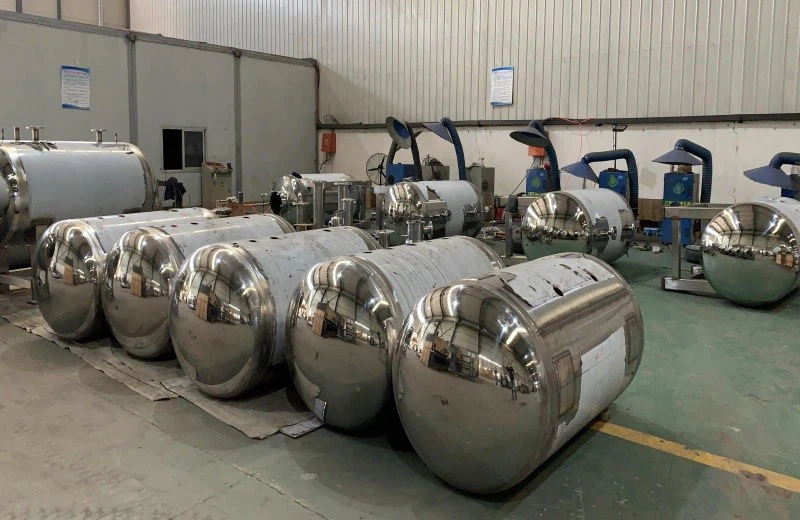
Reactor pressure vessel is the key equipment in nuclear power plant, and its material selection is very important. Reactor pressure vessels are usually made of low-alloy steels, such as A508III (Gr.3C1.1) and 16MND5, etc. These materials have good mechanical properties at room temperature and high temperature, processing and welding properties and anti-neutron irradiation embrittlement properties. Specifically, the shell material of the reactor pressure vessel requires high strength, good plasticity and toughness, strong radiation resistance and corrosion resistance, and good compatibility with the coolant. In addition, the purity of the material should be high, the segregation and inclusion should be less, the grain should be small and the structure is stable. These requirements ensure the stable and safe operation of the reactor pressure vessel during the life of the nuclear power plant. In addition to low-alloy steel, the inner wall of the reactor pressure vessel is usually welded with a layer of stainless steel to improve its corrosion resistance, for example, stainless steel pressure reactors, and the choice of stainless steel material is also determined according to its specific application scenario and desired properties.
We provide stainless steel pressure reactor, please refer to the following website for detailed specifications and product information.
Product:https://www.achievechem.com/chemical-equipment/stainless-steel-pressure-reactor.html
How to choose stainless steel pressure reactor?
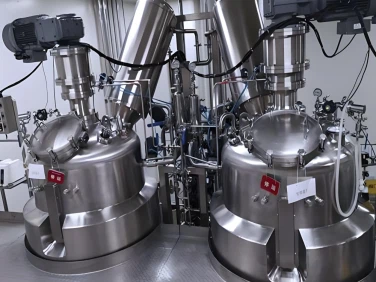
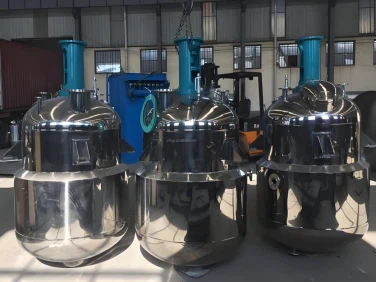
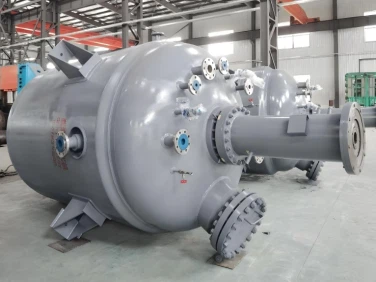
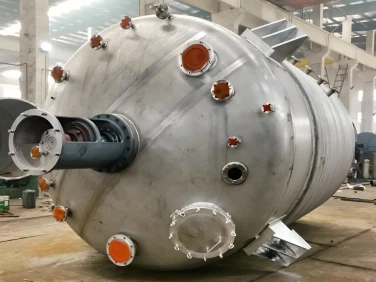
When selecting a stainless steel pressure reactor, you need to consider a number of factors to ensure that it meets the specific process requirements and operating conditions, first of all, to clarify the needs, can be described from the reaction type, production capacity, material requirements of these three aspects:
Type of reaction: Determine the type of chemical reaction required, such as synthesis, polymerization, decomposition, etc., and the temperature, pressure, and medium characteristics required for the reaction;
Production capacity: Determine the volume size of the reactor according to the production scale to ensure that the production needs can be met;
Material requirements: According to the corrosion, temperature, pressure and other conditions of the reaction medium, choose the appropriate material, such as 304, 316L and other stainless steel materials.
The next step is to choose the type of reactor. According to the characteristics of the reaction medium and operating conditions, choose the appropriate sealing form, such as packing seal, mechanical seal or magnetic seal; According to the viscosity of the reaction material and the mixing effect requirements, choose the appropriate mixing form, such as frame mixing, anchor mixing, turbine mixing, etc. Depending on the temperature range required for the reaction, select the appropriate heating/cooling method, such as electric heating, steam heating, heat transfer oil heating or jacket cooling.
Ensure that the reactor is equipped with safety devices such as safety valves, burst disks, pressure gauges, etc., to cope with overpressure or abnormal situations; Select materials with sufficient strength and toughness to ensure that the reactor can remain stable under high pressure and high temperature conditions; Considering the cleaning and disinfection needs of the reactor, choose structures and materials that are easy to clean and disinfect. These are all safety factors that we have to consider.
The good and bad of the product are closely related to the manufacturer. Evaluate whether a manufacturer is qualified, first, qualification certification, to ensure that the manufacturer has the relevant qualification certification, such as ISO certification, pressure vessel manufacturing license, etc.; Second, choose manufacturers with rich production experience and good reputation to ensure product quality and after-sales service; Third, understand the technical support capabilities of the manufacturer, including design, manufacturing, installation, commissioning and training services.
In the final analysis, we need to consider the price, performance, service life and other factors of the reactor, choose cost-effective products; Understand the manufacturer's after-sales service policy, including warranty period, maintenance service, technical support, etc. According to the production schedule and delivery time requirements, select the manufacturer that can meet the delivery cycle. Only through comprehensive consideration and comparison can we choose the most suitable stainless steel pressure reactor for our own needs.
How to choose low alloy steel?
From the material point of view, it can be divided into alloy elements and carbon content. According to the performance requirements to choose the appropriate type and content of alloying elements, its type and content will affect the performance of low alloy steel, such as strength, toughness, corrosion resistance and so on. Carbon content is also an important factor affecting the performance of low alloy steel, the higher the carbon content, the higher the strength, but the toughness will be reduced, therefore, it is necessary to choose the appropriate carbon content according to the specific needs.
Select the appropriate thickness according to the actual demand, the thickness will affect the strength and toughness of low alloy steel, as well as manufacturing costs, under the premise of meeting the performance needs, try to choose a thinner steel plate to reduce costs; At the same time, it is also necessary to consider the size specifications, and choose the appropriate size specifications according to the application scenario and manufacturing requirements, such as plates, profiles, pipes, etc.
Surface quality is also something to consider. Select a low alloy steel plate with a flat surface, no bubbles, no cracks and no inclusions, and then choose a suitable surface treatment, such as sandblasting, shot blasting, pickling, etc., to improve the surface quality and corrosion resistance of the material.
The use of advanced production technology, such as controlled rolling and cooling, tempering treatment, etc., to improve the strength and toughness of low alloy steel, at the same time, the selection of a perfect quality control system manufacturers to ensure stable and reliable product quality.
Like the stainless steel pressure reactor, the selection of low alloy steel should also be comprehensively considered, such as price, performance, service life and other factors, choose cost-effective products; Understand the manufacturer's after-sales service policy, including warranty period, maintenance service, technical support, etc. According to the production schedule and delivery time requirements, select the manufacturer that can meet the delivery cycle.
The materials of the reactor pressure vessel are mainly low alloy steel and stainless steel, and the selection and combination of these materials ensure the reliability and safety of the reactor pressure vessel in the nuclear power plant. In practical applications, it is also necessary to select and design materials according to the specific reactor type, working pressure and temperature.