What Are The Risks Of Rotary Evaporation
Jul 24, 2024
Leave a message
Understanding Rotary Evaporation
Before delving into the risks, it's essential to understand what rotary evaporation entails. A rotary evaporator, or rotovap, uses a combination of heat, reduced pressure, and rotation to remove volatile solvents from a mixture, leaving behind the desired compound. This equipment is crucial in organic chemistry, biochemistry, and other fields where solvent removal is necessary.

Common Risks of Rotary Evaporation
◆ Exposure to Harmful Solvents
One of the primary risks of rotary evaporator is exposure to harmful solvents. Many solvents used in laboratories are volatile and can be toxic if inhaled or come into contact with skin.
Mitigation Strategies:
Proper Ventilation: Ensure the laboratory is well-ventilated. Use fume hoods to capture and expel harmful vapors.
Personal Protective Equipment (PPE): Wear appropriate PPE, including gloves, goggles, and lab coats, to minimize skin contact and inhalation risks.
◆ Risk of Explosion or Fire
Rotary evaporation often deals with flammable solvents, posing a risk of explosion or fire if not handled correctly.
Mitigation Strategies:
Temperature Control: Maintain appropriate temperatures to prevent overheating. Most rotary evaporators come with digital controls for precise temperature management.
Avoid Open Flames: Ensure that no open flames are present in the vicinity of the rotary evaporator. Use explosion-proof equipment where necessary.
◆ Glassware Breakage
The glass components of a rotary evaporator, such as the rotating flask and condenser, are susceptible to breakage, which can lead to injuries and sample loss.
Mitigation Strategies:
Regular Inspection: Inspect glassware regularly for cracks or weaknesses. Replace damaged components immediately.
Careful Handling: Handle glassware with care, particularly when assembling and disassembling the equipment. Use protective gloves to avoid cuts.
◆ Vacuum Pump Hazards
Vacuum pumps are integral to the operation of a rotary evaporator but can present hazards if not used correctly.
Mitigation Strategies:
Proper Maintenance: Maintain vacuum pumps according to the manufacturer's guidelines to prevent malfunctions.
Oil Mist Filters: Use oil mist filters to capture any oil mist produced by rotary vane pumps, which can be harmful if inhaled.
◆ Solvent Bumping
Solvent bumping occurs when a solvent suddenly boils and bursts, which can lead to loss of sample and potential harm to the user.
Mitigation Strategies:
Gradual Pressure Reduction: Reduce pressure gradually to avoid sudden boiling.
Boiling Chips or Stirrers: Use boiling chips or magnetic stirrers to promote smooth boiling and prevent bumping.
Specific Risks for Small Laboratories
Equipment Size and Workspace Constraints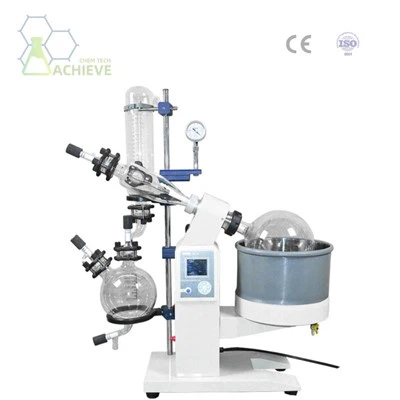
Small laboratories often face limitations in terms of space and infrastructure when using rotary evaporators. The compact size of these labs can restrict the placement and operation of equipment, potentially increasing the risk of accidents. It's crucial to ensure that the rotary evaporator is positioned on a stable surface away from high-traffic areas to minimize the risk of collisions or accidental bumps. Adequate ventilation and clear pathways around the equipment are essential to prevent overheating and ensure safe operation.
Handling of Hazardous Chemicals and Solvents
The use of rotary evaporators in small laboratories typically involves handling a variety of hazardous chemicals and solvents. These substances pose significant health and safety risks if not managed properly. Small labs may have limited resources for proper storage, handling, and disposal of these chemicals. It's essential to strictly adhere to safety protocols, including wearing appropriate PPE, such as gloves and safety glasses, and conducting operations in well-ventilated areas or under fume hoods. Proper labeling of chemicals and adherence to regulatory guidelines for their storage and disposal are critical to mitigate risks effectively.
Training and Personnel Safety
In more modest research facilities, staff might play various parts and obligations, which can prompt differed degrees of involvement and preparing in dealing with rotary evaporation. Appropriate preparation on hardware activity, security methods, and crisis conventions is fundamental to limit the gamble of mishaps and guarantee faculty wellbeing. Ordinary instructional meetings and supplemental classes can assist with keeping up with attention to likely dangers and advance a wellbeing cognizant culture inside the lab. Empowering open correspondence and detailing of security concerns further upgrades wellbeing rehearses in little research facility settings.
Exploring the particular dangers related with rotational evaporators in little research facilities requires a proactive way to deal with wellbeing and chance administration. By addressing difficulties connected with gear size, substance taking care of, and faculty preparing, labs can establish more secure workplaces and moderate potential dangers really. Sticking to severe security conventions, keeping up with clear correspondence, and putting resources into satisfactory assets for substance the board are fundamental stages in advancing protected and proficient activities of rotating evaporators in limited scope logical exploration and trial and error.
Best Practices for Safe Rotary Evaporation
Proper Setup and Equipment Inspection
Setting up a rotary evaporation begins with ensuring all components are in good working condition. Before operation, carefully inspect glassware, seals, and connections for any signs of damage or wear. Ensure that the rotary evaporator is placed on a stable surface to prevent accidents. Additionally, verify that the vacuum system and condenser are functioning correctly to maintain optimal operating conditions throughout the evaporation process.
Safety Precautions During Operation
During operation, observe several key safety precautions to mitigate risks. Always wear appropriate personal protective equipment (PPE), including safety glasses and gloves, to protect against chemical splashes and potential glass breakage. Monitor the rotary evaporator closely, especially when handling volatile solvents or operating under vacuum, to prevent spills or leaks. Maintain a clean workspace free from clutter to minimize the risk of accidents. In case of any unusual noises or signs of malfunction, stop the operation immediately and conduct a thorough inspection before resuming.
Post-Operation Procedures and Maintenance
Subsequent to finishing a rotating dissipation meeting, follow explicit post-activity strategies to guarantee security and gear life span. Permit the turning evaporator to chill off adequately prior to dismantling or cleaning parts. Discard gathered solvents as per laid out conventions and guidelines to forestall natural defilement. Perform ordinary support errands like cleaning dish sets, really looking at seals, and greasing up moving parts as suggested by the maker. Standard adjustment of temperature and vacuum controls additionally keeps up with reliable execution and security.
Sticking to best practices for safe rotational dissipation includes intensive readiness, steady activity, and careful support. By following legitimate arrangement methodology, noticing wellbeing precautionary measures during activity, and leading routine support, labs can guarantee both the security of staff and the life span of rotating evaporator hardware. These practices not just limit gambles related with dissolvable taking care of and gear activity yet additionally add to effective and dependable dissolvable recuperation processes in logical examination and modern applications.
Conclusion
Understanding and mitigating the risks associated with rotary evaporation is critical for maintaining a safe laboratory environment, especially in small labs with limited resources. By implementing proper safety measures, providing adequate training, and following best practices, you can minimize the hazards and ensure that your rotary evaporator processes are both efficient and safe.