


What Are The Important Parts Of The Electric Heating Mantle?
Mar 15, 2025
Leave a message
Electric heating mantles are indispensable tools in laboratories and industrial settings, providing efficient and uniform heating for various applications. Understanding the crucial components of these devices is essential for researchers, technicians, and industry professionals. In this comprehensive guide, we'll delve into the intricate parts that make up an electric heating mantle, exploring their functions and significance.
The shell and lining
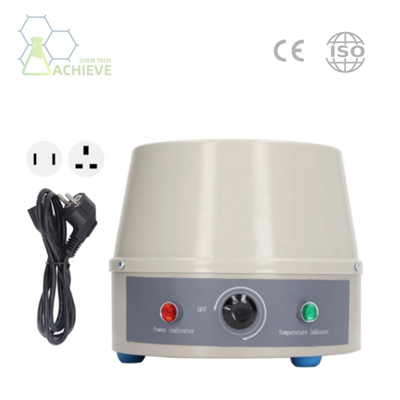
The shell and lining of an electric heating mantle are fundamental components that play a vital role in its performance and safety. Let's examine these elements in detail:
Shell
The outer shell of an electric heating mantle serves as the first line of defense, protecting the internal components from external factors. Typically constructed from high-temperature resistant materials such as stainless steel, polypropylene (PP), or polytetrafluoroethylene (PTFE), the shell exhibits remarkable durability and corrosion resistance.
Key functions of the shell include:
Physical protection of internal components
Insulation and heat retention
Enhanced heating efficiency
Operator safety, preventing burns and electric shocks
The design of the shell often prioritizes user-friendliness, incorporating features that facilitate easy cleaning, maintenance, and assembly. These design elements contribute to the longevity of the equipment and improve the overall user experience.
Inner lining
The inner lining of an electric heating mantle is a critical component that directly contacts both the heating element and the object being heated. Manufacturers carefully select materials for the lining, such as ceramic fibers, mica, or specialized alloys, to ensure optimal performance. These materials boast excellent high-temperature resistance, thermal conductivity, and corrosion resistance.
The primary functions of the inner lining include:
Uniform heat transfer to the object being heated
Prevention of localized overheating
Protection of the heating element from damage
Resistance to chemical erosion
The design of the inner lining is often customized to match the shape and size of the object being heated, ensuring optimal heating efficiency. Additionally, the lining's material and structure consider ease of cleaning and maintenance, further extending the equipment's lifespan.

The Role of the Heating Element in an Electric Heating Mantle
The heating element is the heart of an electric heating mantle, responsible for converting electrical energy into thermal energy. This crucial component determines the device's heating capacity and efficiency. Let's explore the various aspects of heating elements in detail:
► Types of Heating Elements
Electric heating mantles employ different types of heating elements, each with its unique characteristics:
1) Resistance wire: Commonly used in many heating mantles, resistance wire elements provide reliable and consistent heating.
2) Ceramic heating elements: These elements offer excellent thermal stability and uniform heat distribution.
3) Infrared heating elements: Ideal for applications requiring rapid heating and precise temperature control.
► Design Considerations
The design of heating elements in electric heating mantles takes into account several factors:
1) Heat distribution: Ensures uniform heating across the entire surface of the mantle.
2) Power density: Determines the heating capacity and speed of the mantle.
3) Durability: Engineered to withstand repeated heating cycles and maintain performance over time.
4) Safety: Incorporates features to prevent overheating and electrical hazards.
► Material Selection
The choice of materials for heating elements is crucial and depends on the specific requirements of the application:
1) Nichrome: A popular alloy known for its high resistance and stability at high temperatures.
2) Kanthal: Offers excellent oxidation resistance and long-term stability.
3) Ceramic materials: Provide superior thermal shock resistance and chemical inertness.
► Integration with Control Systems
Modern electric heating mantles often feature sophisticated control systems that work in tandem with the heating element:
1) Temperature sensors: Monitor the heating element's temperature in real-time.
2) Feedback loops: Adjust power input to maintain precise temperature control.
3) Safety cutoffs: Automatically deactivate the heating element in case of overheating or malfunction.
How Does the Temperature Control System Work in an Electric Heating Mantle?
The temperature control system is a critical component of an electric heating mantle, ensuring precise and stable heating for various applications. Let's delve into the intricacies of this sophisticated system:
► Components of the Temperature Control System
A typical temperature control system in an electric heating mantle consists of several key components:
1) Temperature sensor: Monitors the current temperature of the heating mantle or the object being heated.
2) Controller: Processes temperature data and adjusts power output to maintain the desired temperature.
3) Power regulator: Modulates the electrical power supplied to the heating element based on the controller's instructions.
4) User interface: Allows operators to set and monitor temperature parameters.
► Operating Principles
The temperature control system in an electric heating mantle operates on the following principles:
1) Feedback control: Continuously compares the actual temperature with the set point and makes adjustments accordingly.
2) PID control: Utilizes proportional, integral, and derivative algorithms for precise temperature regulation.
3) Adaptive tuning: Some advanced systems can self-adjust their parameters for optimal performance in varying conditions.
► Temperature Sensing Technologies
Various temperature sensing technologies are employed in electric heating mantles:
1) Thermocouples: Provide wide temperature range coverage and fast response times.
2) RTDs (Resistance Temperature Detectors): Offer high accuracy and stability over time.
3) Thermistors: Ideal for applications requiring high sensitivity in a narrow temperature range.
► Advanced Features
Modern temperature control systems in electric heating mantles often include advanced features such as:
1) Multi-zone control: Enables independent temperature regulation of different areas within the mantle.
2) Ramp and soak programming: Allows for complex heating profiles with multiple temperature stages.
3) Data logging and connectivity: Records temperature data and enables remote monitoring and control.
► Safety Considerations
Temperature control systems play a crucial role in ensuring the safe operation of electric heating mantles:
1) Overtemperature protection: Automatically shuts off the heating element if a maximum safe temperature is exceeded.
2) Sensor failure detection: Identifies malfunctioning temperature sensors and takes appropriate safety measures.
3) Power interruption recovery: Safely resumes operation after a power outage, preventing potential hazards.
Conclusion
The electric heating mantle is a complex device with multiple crucial components working in harmony to provide efficient and safe heating. From the protective shell and inner lining to the powerful heating element and sophisticated temperature control system, each part plays a vital role in the mantle's performance. Understanding these components is essential for researchers, technicians, and industry professionals to make informed decisions when selecting and operating electric heating mantles.
Are you a pharmaceutical company, chemical manufacturer, biotechnology firm, food & beverage industry professional, environmental and waste treatment company, or laboratory and university researcher looking for high-quality electric heating mantles? Look no further than ACHIEVE CHEM. With multiple technical patents, EU CE certification, ISO9001 quality management system certification, and a special equipment production license, ACHIEVE CHEM is your reliable lab chemical equipment manufacturer. To learn more about our cutting-edge electric heating mantles and other lab equipment, contact us today at sales@achievechem.com.