


What Are The Common Issues Encountered With A Single Rotary Tablet Press?
Oct 24, 2024
Leave a message
Single rotary tablet presses are essential machines in the pharmaceutical and nutraceutical industries, responsible for producing high-quality tablets efficiently. These advanced pieces of equipment compress powder or granules into uniformly shaped tablets, playing a crucial role in drug manufacturing processes. However, like any complex machinery, single rotary tablet presses can encounter various issues that may affect their performance and the quality of the tablets produced.
Understanding these common problems is vital for operators and maintenance personnel to ensure smooth operations, minimize downtime, and maintain consistent tablet quality. In this comprehensive guide, we'll explore the most frequent challenges associated with single rotary tablet presses and provide insights into how to address them effectively, helping you optimize your tablet production process.
Mechanical Wear and Tear: The Silent Productivity Killer
One of the most prevalent issues faced by operators of single rotary tablet presses is mechanical wear and tear. This gradual deterioration of machine components can significantly impact the press's performance and the quality of tablets produced.
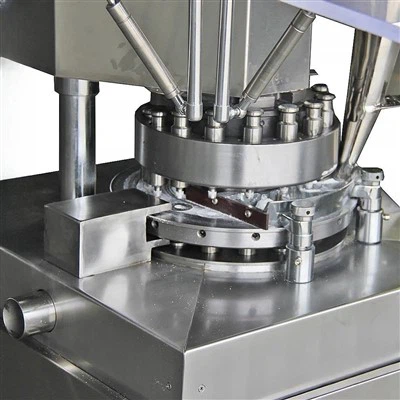
Wear and tear often affect critical parts such as: Punches and dies; Cam tracks; Turret bearings; Feed frames.
As these components degrade, they can lead to various problems:
◆ Inconsistent tablet weight: Worn punches and dies may not maintain proper tolerances, resulting in tablets with varying weights.
◆ Reduced tablet hardness: Degraded cam tracks can affect compression force, leading to softer tablets.
◆ Increased friction: Worn bearings and other moving parts can cause increased friction, potentially leading to overheating and reduced efficiency.
◆ Tablet defects: Damaged feed frames may cause uneven powder distribution, resulting in capping, lamination, or other tablet defects.
To mitigate these issues, implement a rigorous preventive maintenance schedule. Regularly inspect and replace worn components, lubricate moving parts, and calibrate the machine as needed. Additionally, consider using high-quality, wear-resistant materials for critical components to extend their lifespan and maintain consistent performance.

We provide single rotary tablet presses, please refer to the following website for detailed specifications and product information.
Product: https://www.achievechem.com/tablet-press-machines/single-punch-tablet-press.html
Powder Flow and Compression Challenges: The Heart of Tablet Quality
The single rotary tablet press relies heavily on proper powder flow and compression to produce high-quality tablets. However, several issues can arise in this crucial area of operation:
◆ Inconsistent Powder FlowPoor powder flow can lead to several problems: Uneven die filling Weight variations in tablets Reduced production speed
To address this issue: Optimize powder formulation to improve flowability Ensure proper granulation techniques are used Adjust feed frame settings for optimal powder distribution Consider using flow aids or glidants in the formulation |
|
|
|
◆ Inconsistent Powder FlowPoor powder flow can lead to several problems: Uneven die filling Weight variations in tablets Reduced production speed
To address this issue: Optimize powder formulation to improve flowability Ensure proper granulation techniques are used Adjust feed frame settings for optimal powder distribution Consider using flow aids or glidants in the formulation |
◆ Capping and LaminationThese tablet defects occur when air becomes trapped in the powder during compression. Common causes include: Excessive compression speed Inadequate pre-compression Poor powder properties
To resolve these issues: Adjust pre-compression and main compression settings Optimize tablet formulation to improve compressibility Consider using tapered die walls to reduce air entrapment Implement multi-stage compression if available on your single rotary tablet press By addressing these powder flow and compression challenges, you can significantly improve the quality and consistency of tablets produced by your single rotary tablet press. |
|


Control System and Calibration Issues: Ensuring Precision and Consistency
The control system of a single rotary tablet press plays a crucial role in maintaining consistent tablet quality and production efficiency. However, several issues can arise in this area:
◆ Sensor MalfunctionsModern single rotary tablet presses rely on various sensors to monitor and control the tableting process. Common sensor-related issues include: Faulty weight control sensors leading to inconsistent tablet weights Malfunctioning pressure sensors causing compression force variations Defective temperature sensors potentially causing overheating
To address these problems: Implement a regular sensor calibration and verification schedule Replace faulty sensors promptly Consider upgrading to more reliable or advanced sensor technologies |
|
|
|
◆ Software GlitchesControl system software can sometimes experience glitches or errors, leading to: Unexpected machine stoppages Inaccurate data logging Improper machine parameter adjustments
To mitigate software-related issues: Ensure your control system software is up to date Maintain a backup of your machine settings and programs Work closely with the equipment manufacturer for troubleshooting and support |
◆ Calibration DriftOver time, the calibration of various components in a single rotary tablet press can drift, affecting tablet quality and consistency. This can impact: Weight control systems Compression force measurement Tablet thickness control
To prevent calibration drift issues: Establish a regular calibration schedule for all critical systems Use certified reference standards for calibration Document all calibration activities and results for traceability Consider implementing automated calibration systems where possible By addressing these control system and calibration issues, you can ensure that your single rotary tablet press operates with the precision and consistency required for high-quality tablet production. |
|


Conclusion
Single rotary tablet presses are sophisticated machines that play a vital role in pharmaceutical and nutraceutical manufacturing. While they are designed for efficiency and precision, they can encounter various issues that may affect their performance and the quality of tablets produced. By understanding and addressing common problems related to mechanical wear, powder flow and compression, and control systems, operators can significantly improve the reliability and output of their tablet presses. Regular maintenance, proper calibration, and staying informed about the latest advancements in tablet press technology are key to overcoming these challenges. With the right approach and attention to detail, manufacturers can ensure their single rotary tablet presses continue to produce high-quality tablets consistently and efficiently.