


Recommended Cleaning Methods For A 20L Glass Reactor
Jun 17, 2024
Leave a message
Cleaning a 20L glass reactor requires thoroughness to ensure it's free from contaminants and residue that could affect subsequent experiments. Here's a recommended cleaning method:
Safety Precautions: Before starting, ensure you're wearing appropriate personal protective equipment (PPE) such as gloves and safety glasses.
Disassembly: If possible, disassemble the glass reactor into its individual components. This facilitates a more thorough cleaning by allowing access to all surfaces.
Pre-Rinse: Rinse the reactor and its components with warm water to remove any loose debris or residues.
Degreasing: Use a suitable degreasing agent to remove any oily or greasy residues from the glass surfaces. Apply the degreaser according to the manufacturer's instructions and allow it to soak for the recommended time.
Cleaning Solution: Prepare a cleaning solution using a mild detergent or specialized laboratory glassware cleaner. Dilute the detergent according to the manufacturer's instructions.
Cleaning: Using a soft brush or sponge, scrub all surfaces of the glass reactor and its components with the cleaning solution. Pay particular attention to areas with stubborn residues or hard-to-reach spots.
Rinsing: Thoroughly rinse the reactor and its components with copious amounts of water to remove any traces of detergent or cleaning solution. Repeat this step several times to ensure complete removal.
Acid Wash (if needed): If there are mineral deposits or stubborn residues that remain after the initial cleaning, an acid wash may be necessary. Use a dilute solution of an acid such as hydrochloric acid or acetic acid. Be extremely cautious when handling acids and follow appropriate safety protocols.
Final Rinse: Rinse the reactor and its components again with water to neutralize any remaining acid and ensure they are thoroughly clean.
Drying: Allow the glass reactor and its components to air dry completely before reassembly or storage. Alternatively, use a lint-free cloth or paper towels to dry them manually.
Assembly: Once dry, reassemble the glass reactor, taking care to ensure all connections are secure.
Validation: Before using the cleaned glass reactor for experiments, perform a visual inspection to ensure it's completely clean and free from any contaminants.
Regular cleaning and maintenance are essential to prolong the lifespan of the glass reactor and ensure accurate and reliable experimental results. Be sure to follow any specific cleaning guidelines provided by the manufacturer of the reactor or any specialized equipment used in conjunction with it.

Routine Cleaning Procedures
Regular cleaning of a 20L glass reactor is vital to prevent contamination and ensure optimal performance. The following routine cleaning procedures should be performed after each use:
Disassembly: Begin by carefully disassembling the reactor components, including the glass vessel, stirrer, condenser, and any other accessories.
Rinse with Solvent: Rinse the glass components thoroughly with an appropriate solvent, such as acetone or ethanol, to remove any residual chemicals or substances.
Scrubbing: Gently scrub the interior and exterior surfaces of the glass vessel and other components with a soft brush or sponge to dislodge any stubborn residues.
Rinse with Deionized Water: Rinse all components with deionized water to remove any remaining solvent and ensure a thorough cleaning.
Drying: Allow the components to air dry completely before reassembling the reactor for storage or further use.
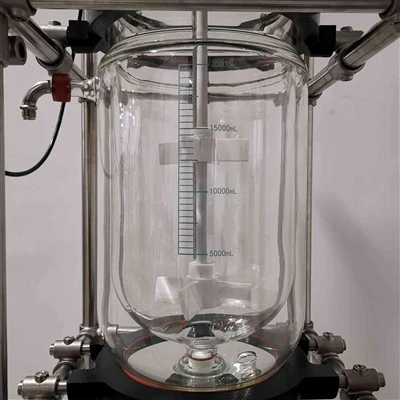
Thorough Cleaning Procedures
In addition to routine cleaning, periodic thorough cleaning of the 20L glass reactor is necessary to remove stubborn residues and maintain its integrity. The following steps outline the recommended thorough cleaning procedures:
Soaking: Fill the glass vessel with a cleaning solution, such as a dilute acid or base solution, and allow it to soak for several hours or overnight to dissolve any hardened residues.
Scrubbing: After soaking, scrub the interior surfaces of the glass vessel and other components with a brush or sponge to remove loosened residues effectively.
Rinse with Deionized Water: Thoroughly rinse all components with deionized water to remove traces of the cleaning solution and ensure complete cleanliness.
Sterilization: To ensure sterility, autoclave or heat sterilize the glass components at the appropriate temperature and pressure according to standard laboratory protocols.
Drying: Once cleaned and sterilized, allow the components to dry completely before reassembling the reactor for use in experiments.
Safety Considerations
When performing cleaning procedures on a 20L glass reactor, it is essential to prioritize safety to prevent accidents or exposure to hazardous chemicals. Always wear appropriate personal protective equipment, including gloves, safety goggles, and lab coats, and work in a well-ventilated area to minimize exposure to fumes or vapors.
Handling of Glassware: Handle glassware with care to avoid breakage or injury. Use appropriate tools, such as padded clamps or holders, when assembling, disassembling, or moving glass components.
Ventilation: Ensure adequate ventilation in the laboratory to prevent the buildup of hazardous vapors or gases. Use fume hoods or other ventilation systems as necessary, especially when working with volatile or toxic chemicals.
Emergency Procedures: Establish and communicate clear emergency procedures for dealing with accidents, spills, leaks, or other incidents involving the glass reactor. This includes evacuation routes, emergency shutdown procedures, and the location of safety equipment such as fire extinguishers and eyewash stations.
Chemical Handling and Storage: Store chemicals properly in designated areas, following appropriate safety protocols and labeling requirements. Avoid storing incompatible chemicals together to prevent accidental reactions.
Regular Maintenance: Perform regular maintenance and inspection of the glass reactor and associated equipment to ensure proper functioning and safety. This includes cleaning, lubricating moving parts, and replacing worn or damaged components.
Emergency Contact Information: Keep a list of emergency contact information, including local emergency services, poison control centers, and relevant institutional contacts, readily available in the laboratory.
Conclusion
Proper cleaning of a 20L glass reactor is essential for maintaining its functionality and ensuring the integrity of laboratory experiments.
By following the recommended cleaning methods outlined in this guide, laboratory personnel can effectively remove contaminants and residues, thereby optimizing the performance and reliability of the reactor. Adhering to safety protocols and conducting regular maintenance will help prolong the lifespan of the equipment and contribute to the success of scientific research endeavors.
References
"Guidelines for Laboratory Safety," American Chemical Society. [https://www.acs.org/content/acs/en/about/governance/committees/chemicalsafety/publications/guidelines-for-chemical-laboratory-safety.html]
"Laboratory Safety Manual," National Institutes of Health. [https://www.ors.od.nih.gov/sr/dohs/Documents/Lab_Safety_Manual.pdf]
"Glassware Cleaning Techniques," University of California, Berkeley. [https://ehs.berkeley.edu/glassware-cleaning-techniques]