


How Does The Jacketed System in A Double Glass Reactor Improve Safety?
Dec 25, 2024
Leave a message
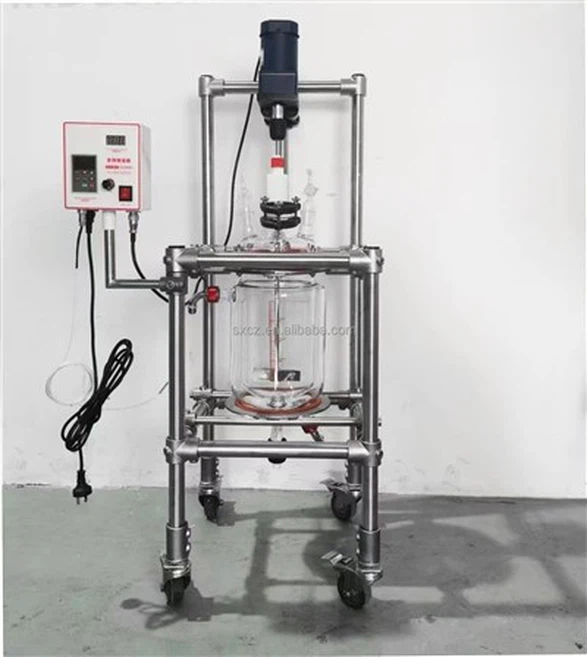
The jacketed system in a double glass reactor significantly enhances safety by providing precise temperature control and uniform heat distribution. This innovative design incorporates a fluid-filled outer chamber that envelops the inner reaction vessel, acting as a protective barrier and heat transfer medium. The jacketed system allows for efficient cooling or heating of the reaction mixture, preventing potential hazards associated with temperature fluctuations or runaway reactions. By maintaining optimal thermal conditions, the double glass reactor with a jacketed system minimizes the risk of explosions, chemical decomposition, or unwanted side reactions. This advanced safety feature is particularly crucial when handling sensitive or exothermic reactions, ensuring a controlled and secure environment for various chemical processes across industries.
What is the purpose of the jacketed system in a double glass reactor?
● Temperature Control and Heat Transfer
The primary purpose of the jacketed system in a double glass reactor is to facilitate precise temperature control and efficient heat transfer. This sophisticated design allows for the circulation of a heat transfer fluid, such as water, oil, or glycol, through the outer chamber. The fluid acts as a medium to regulate the temperature of the reaction mixture within the inner vessel. By adjusting the temperature and flow rate of the circulating fluid, operators can maintain optimal thermal conditions for various chemical processes.
The jacketed system's ability to provide uniform heat distribution is paramount in ensuring consistent reaction rates and product quality. Unlike direct heating methods, which may lead to localized hot spots or uneven temperature gradients, the jacketed system promotes homogeneous heating or cooling throughout the reaction mixture. This uniformity is especially critical for temperature-sensitive reactions or when working with materials that are prone to degradation under extreme thermal conditions.
● Versatility and Process Flexibility
Another key purpose of the jacketed system is to enhance the versatility and flexibility of the double glass reactor. The design allows for rapid temperature changes, enabling operators to swiftly adjust reaction conditions as needed. This adaptability is particularly valuable in multi-step synthesis processes or when conducting experiments that require precise temperature ramping or cooling cycles.
The jacketed system also facilitates the implementation of various heating and cooling strategies. Depending on the specific requirements of the reaction, the jacket can be used for heating, cooling, or maintaining a constant temperature. This flexibility makes the double glass reactor suitable for a wide range of applications, from small-scale laboratory experiments to larger industrial processes. The ability to fine-tune temperature control contributes to improved reaction kinetics, higher yields, and enhanced product purity across diverse chemical operations.

We provide double glass reactor, please refer to the following website for detailed specifications and product information.
Product: https://www.achievechem.com/chemical-equipment/jacketed-glass-reactor.html
How does the jacketed system prevent overheating in a double glass reactor?
● Efficient Heat Dissipation
The jacketed system in a double glass reactor plays a crucial role in preventing overheating by providing efficient heat dissipation. The circulating fluid in the jacket acts as a heat sink, absorbing excess thermal energy generated during exothermic reactions. This continuous heat removal process helps maintain the reaction mixture within a safe temperature range, mitigating the risk of thermal runaway or uncontrolled temperature spikes.
The large surface area of the jacket in contact with the inner vessel ensures rapid and uniform heat transfer. This design allows for quick response to temperature fluctuations, enabling the system to swiftly cool the reaction mixture when necessary. The efficient heat dissipation capability of the jacketed system is particularly valuable when working with highly reactive compounds or conducting reactions with significant heat generation, as it provides an additional layer of safety against potential overheating scenarios.
● Temperature Monitoring and Control Systems
To further enhance safety and prevent overheating, the jacketed system in a double glass reactor is often integrated with advanced temperature monitoring and control systems. These systems typically include temperature sensors, controllers, and automated fluid circulation mechanisms. Real-time temperature data from the reaction mixture and the jacket fluid allow for precise tracking of thermal conditions throughout the process.
In the event of a temperature increase beyond predetermined safe limits, the control system can automatically adjust the flow rate or temperature of the circulating fluid to counteract the rising heat. This proactive approach to temperature management helps prevent overheating incidents before they escalate into dangerous situations. Additionally, many modern double glass reactors feature programmable temperature profiles and safety interlocks, further enhancing their ability to maintain safe operating conditions and prevent overheating scenarios.
Additional Safety Features of Double Glass Reactors
● Pressure Relief and ContainmentBeyond temperature control, double glass reactors incorporate additional safety features to enhance overall operational security. Many models are equipped with pressure relief valves or rupture discs to prevent dangerous pressure buildup within the reactor. These devices automatically release excess pressure if it exceeds safe limits, reducing the risk of vessel rupture or explosion. The double-wall construction of the reactor itself serves as a containment measure. In the unlikely event of a crack or breach in the inner vessel, the outer jacket can temporarily contain the reaction mixture, providing valuable time for operators to implement emergency procedures. This dual-containment design is particularly important when working with hazardous or corrosive chemicals, as it adds an extra layer of protection against potential spills or leaks. |
|
|
|
● Material Compatibility and Chemical ResistanceThe choice of materials used in constructing double glass reactors contributes significantly to their safety profile. High-quality borosilicate glass is typically used for both the inner and outer vessels due to its excellent chemical resistance and thermal stability. This material choice ensures compatibility with a wide range of chemicals and solvents, reducing the risk of unwanted reactions or material degradation during use. Furthermore, the glass construction allows for visual inspection of the reaction mixture, enabling operators to monitor color changes, precipitate formation, or other visual cues that may indicate potential safety issues. The transparency of the reactor also facilitates the use of external lighting or cameras for enhanced process monitoring, contributing to overall safety and control in laboratory and industrial settings. In conclusion, the jacketed system in a double glass reactor is a cornerstone of safety in chemical processing. Its ability to provide precise temperature control, prevent overheating, and facilitate uniform heat transfer makes it an indispensable tool across various industries. When combined with additional safety features and proper operational protocols, double glass reactors offer a secure and efficient environment for conducting a wide array of chemical reactions and processes. |

For more information on our range of double glass reactors and other laboratory equipment, please contact us at sales@achievechem.com.