


How Does A Straight Condenser Work?
Mar 01, 2024
Leave a message
Introduction of Vapors: The method starts with the presentation of hot vapors or gasses into one conclusion of the straight condenser. These vapors regularly result from forms such as refining or reflux, where a fluid is warmed to create vapor.
Cooling Medium: As the vapors travel through the straight condenser, they come into contact with a cooling medium, more often than not water or another coolant, circulating around the exterior of the condenser. The coolant retains warm from the vapor, causing it to cool down rapidly.
Heat Exchange: Warm trade happens between the hot vapors interior the condenser and the cooler coolant exterior. This trade of warm vitality encourages the exchange of warm from the vapor to the coolant.
Condensation: As the vapor loses warm to the coolant, its temperature diminishes, in the long run coming to the condensation point where it moves from a vaporous state to a fluid state. The condensed fluid collects at the foot of the condenser or channels out through an outlet.
Continuous Cooling: The coolant persistently circulates through the condenser, keeping up a cool temperature along its length. This guarantees that the vapors stay in contact with a cool surface all through the condensation handle, advancing effective and quick condensation.
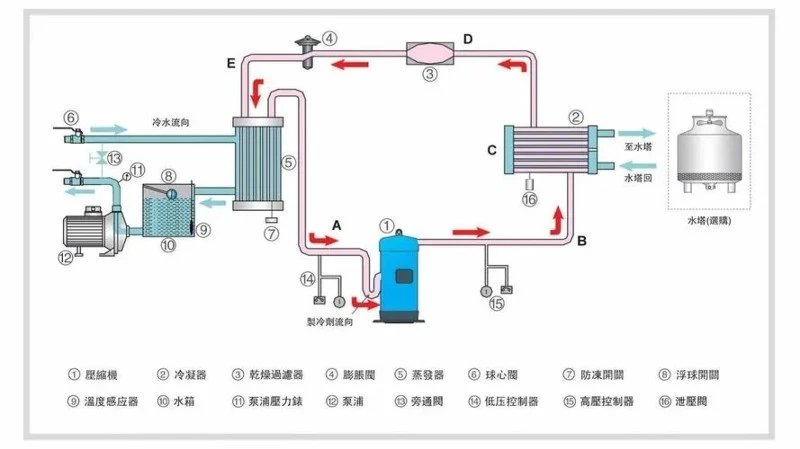
Collection of Condensate: The condensed fluid, presently in fluid frame, is collected at the outlet conclusion of the condenser. It can be collected in a getting vessel for encourage preparing or investigation, depending on the particular application.
What are the essential standards behind straight condensers?
Straight condensers are indispensably components of different cooling frameworks, counting discuss conditioning units, fridges, and warm pumps. The fundamental principle behind their operation lies within the exchange of warm vitality from a hot substance to a cooler one, coming about within the condensation of the previous substance. This handle depends on the standards of thermodynamics, particularly warm exchange instruments such as conduction, convection, and radiation.
Temperature Contrast: The temperature distinction between the hot vapor and the coolant is fundamental for compelling warm exchange. The more prominent the temperature contrast, the speedier the warm exchange handle happens, driving to more effective condensation of the vapor.
Stage Alter: As the hot vapor loses warm to the cooler condenser surface, it experiences a stage alter from a vaporous state to a fluid state. This stage alter is known as condensation. The vapor molecules lose vitality, moderate down, and come together to create fluid droplets.
Condensation Surface: The straight condenser gives a expansive surface range for condensation to happen. The vapor streams along the length of the condenser, expanding the contact range between the vapor and the condenser surface. This maximizes the proficiency of warm exchange and condensation.
How does warm exchange happen in a straight condenser?
Warm exchange in a straight condenser basically happens through the method of convection. As hot refrigerant vapor enters the condenser coil, it comes into contact with cooler discuss or water circulating around the coil. This temperature contrast encourages the exchange of warm from the refrigerant to the encompassing medium. As a result, the refrigerant vapor experiences a stage alter, condensing into a fluid state. This condensed fluid at that point exits the condenser and continues through the refrigeration cycle, where it will inevitably dissipate once more to retain warm from the required space or substance.
Conduction: Conduction is the exchange of warm through coordinate contact between materials. In a straight condenser, warm exchange through conduction happens when the hot vapor comes into coordinate contact with the surface of the condenser tube. The particles of the hot vapor exchange their dynamic vitality (warm) to the particles of the condenser fabric. As a result, the temperature of the condenser fabric increments, encouraging the exchange of warm from the vapor to the condenser.
Convection: Convection is the exchange of warm through the development of liquids (fluids or gasses). In a straight condenser, convection plays a noteworthy part in warm exchange as the cooling medium (more often than not water) streams around the outside of the condenser tube. As the hot vapor comes into contact with the cooler surface of the condenser, warm is exchanged from the vapor to the condenser fabric. The cooling medium retains this warm, causing it to warm up and stream absent from the condenser, whereas cooler coolant replaces it. This nonstop stream of coolant guarantees proficient warm transfer and keeps up a lower temperature on the condenser surface.
What role does refrigerant play within the operation of a straight condenser?
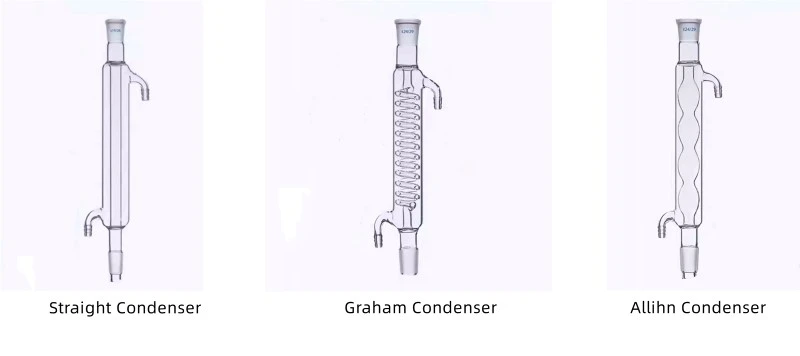
Refrigerant serves as the medium through which warm exchange happens in a straight condenser. Because it cycles through the refrigeration framework, the refrigerant undergoes changes in weight and temperature, transitioning between vapor and fluid states. Within the condenser, the refrigerant releases heat energy to the surrounding environment, causing it to condense from a vapor to a liquid. This condensed liquid refrigerant then travels to the expansion valve or capillary tube, where its pressure drops, allowing it to absorb heat from the specified or substance within the The refrigerant then evaporates once again, completing the refrigeration cycle.
References:
"Principles of Heat Transfer" - https://www.engineeringtoolbox.com/heat-transfer-d_431.html
"Understanding Refrigerants and the Refrigeration Cycle" - https://www.achrnews.com/articles/138456-understanding-refrigerants-and-the-refrigeration-cycle