


How Does A Pharmaceutical Freeze Dryer Work?
Mar 29, 2025
Leave a message
Pharmaceutical freeze dryers, also known as lyophilizers, play a crucial role in the production and preservation of various pharmaceutical products. These sophisticated machines utilize a process called lyophilization to remove moisture from substances without compromising their integrity. Large pharmaceutical freeze dryers, in particular, are designed to handle substantial quantities of materials, making them indispensable in industrial-scale drug manufacturing. This blog post delves into the intricate workings of these remarkable devices, exploring their components, operational principles, and applications in the pharmaceutical industry.
The Core Components of a Large Pharmaceutical Freeze Dryer
|
|
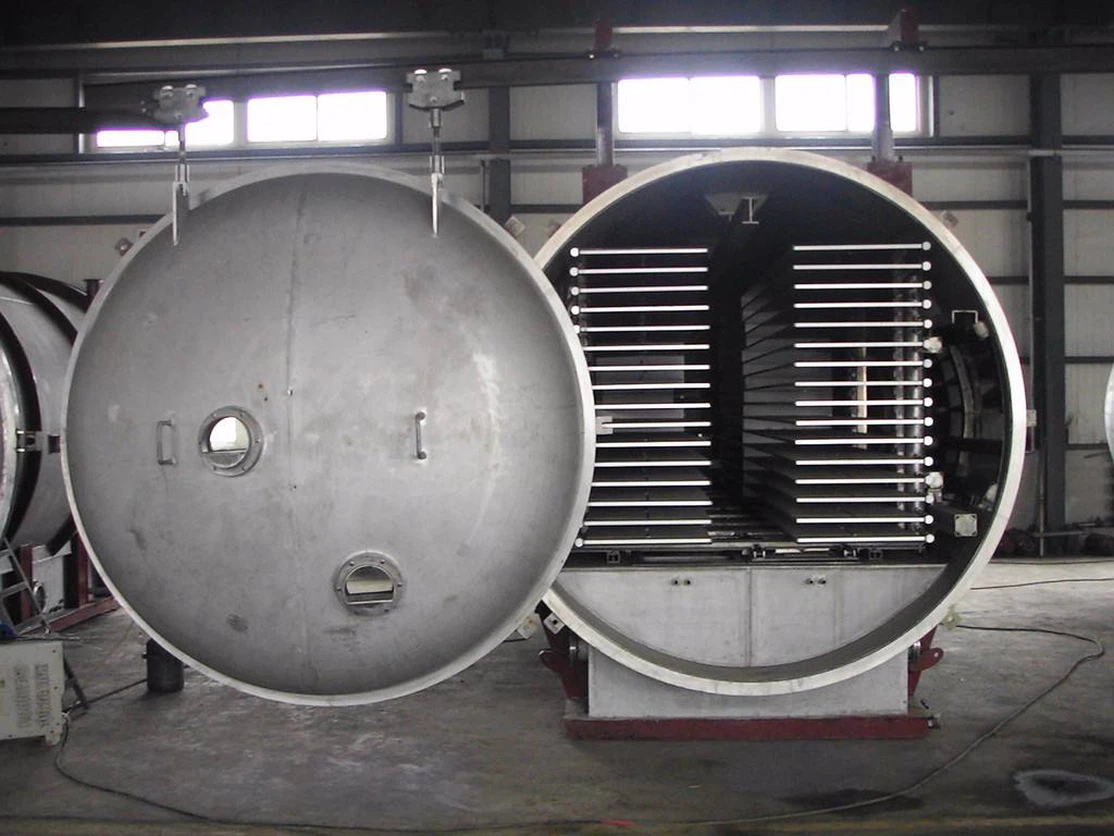
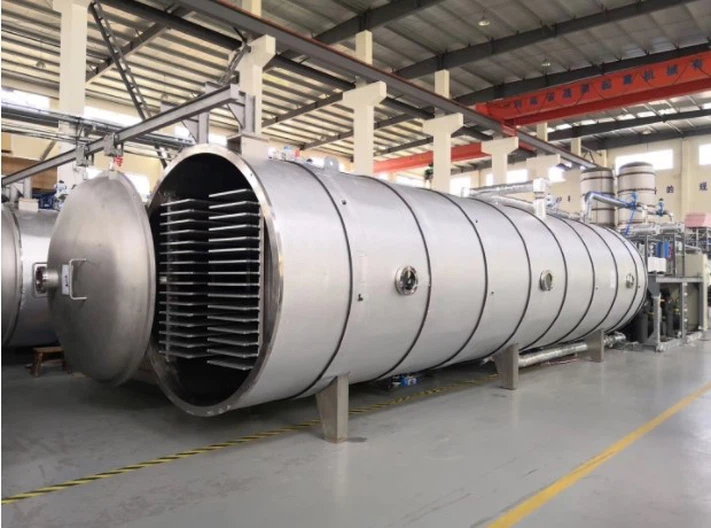
A large pharmaceutical freeze dryer is a complex machine comprising several essential components that work in harmony to achieve the desired lyophilization results. At the heart of the system lies the freeze-drying chamber, a spacious, vacuum-sealed compartment where the actual sublimation process occurs. This chamber is typically constructed from high-grade stainless steel to ensure durability and maintain sanitary conditions. Adjacent to the chamber, you'll find the condenser, a crucial element responsible for trapping and removing water vapor released during the sublimation process. The condenser's efficiency is paramount in maintaining the low-pressure environment necessary for freeze-drying. The vacuum system is another vital component, consisting of powerful pumps that create and maintain the low-pressure environment within the chamber. This vacuum is essential for facilitating the sublimation process, allowing ice to transition directly from a solid to a gaseous state without passing through the liquid phase. |
|
Temperature control systems are also integral to the freeze dryer's operation. These include refrigeration units for the initial freezing stage and heating elements for the primary and secondary drying phases. Advanced models may incorporate sophisticated temperature sensors and control mechanisms to ensure precise regulation throughout the process. Large pharmaceutical freeze dryers often feature automated loading and unloading systems to handle the substantial quantities of materials processed in industrial settings. These may include conveyor belts, robotic arms, or specialized trays designed for efficient product handling. |
|
The Freeze-Drying Process: From Liquid to Solid to Gas
The freeze-drying process in a large pharmaceutical freeze dryer typically unfolds in three distinct phases: freezing, primary drying, and secondary drying. Each stage is carefully controlled to ensure optimal results and product quality.
The freezing phase initiates the process by rapidly cooling the pharmaceutical product to temperatures well below its freezing point, often reaching as low as -40°C to -50°C. This rapid freezing is crucial for forming small ice crystals, which helps preserve the product's structure and facilitates more efficient drying in subsequent stages.
Once the product is thoroughly frozen, the primary drying phase commences. During this stage, the pressure within the freeze-drying chamber is significantly reduced, creating a vacuum environment. Simultaneously, the temperature is gradually increased, providing the energy necessary for sublimation to occur. As the ice within the product sublimates, it transitions directly from a solid to a gaseous state, bypassing the liquid phase entirely.
The water vapor released during sublimation is captured by the condenser, which maintains its surface at an even lower temperature than the product. This temperature differential ensures that the water vapor is effectively trapped and removed from the system, preventing it from recondensing on the product.
The final stage, secondary drying, aims to remove any residual moisture bound to the product's molecular structure. This phase involves further increasing the temperature while maintaining the low-pressure environment. The goal is to break the bonds between water molecules and the product, resulting in a dry, stable final product with minimal moisture content.
Throughout these phases, the large pharmaceutical freeze dryer's control systems continuously monitor and adjust parameters such as temperature, pressure, and time to ensure optimal results. The duration of each phase can vary significantly depending on the specific product being processed, its quantity, and the desired final moisture content.
Applications and Advantages of Large Pharmaceutical Freeze Dryers
Large pharmaceutical freeze dryers find extensive applications across various sectors of the pharmaceutical industry. Their ability to process substantial quantities of materials makes them invaluable in the production of a wide range of pharmaceutical products.
One of the primary applications of these machines is in the production of injectable drugs. Many pharmaceutical compounds are unstable in liquid form or have limited shelf life. Freeze-drying these substances allows for the creation of stable, dry powders that can be reconstituted just before use, significantly extending their shelf life and making storage and transportation more convenient.
Vaccines represent another critical application area for large pharmaceutical freeze dryers. The lyophilization process helps preserve the potency and efficacy of vaccine components, enabling longer-term storage and easier distribution, particularly in regions with limited cold chain infrastructure.
Biotechnology products, including proteins, enzymes, and antibodies, also benefit greatly from freeze-drying. These sensitive biological molecules often require careful preservation to maintain their structure and function. The gentle nature of the freeze-drying process helps protect these delicate substances from degradation.
The advantages of using large pharmaceutical freeze dryers extend beyond just preservation. The process allows for the production of highly porous, easily dissolvable products, which can improve the bioavailability of certain drugs. This characteristic is particularly beneficial for medications designed for rapid dissolution and absorption.
Moreover, freeze-dried products often exhibit enhanced stability at room temperature, reducing the need for cold storage and simplifying logistics. This aspect is especially valuable for products intended for global distribution or use in remote areas with limited refrigeration facilities.
Large pharmaceutical freeze dryers also offer scalability and efficiency benefits. Their capacity to handle substantial volumes makes them suitable for industrial-scale production, allowing pharmaceutical companies to meet growing demand while maintaining consistent product quality. The ability to process large batches in a single run can significantly reduce production time and costs compared to smaller-scale operations.
Additionally, the precise control offered by modern freeze-drying systems ensures reproducibility and consistency across batches, a crucial factor in pharmaceutical manufacturing. This level of control also allows for the optimization of drying cycles, potentially reducing energy consumption and overall processing time.
Conclusion
Large pharmaceutical freeze dryers represent a cornerstone of modern drug manufacturing, offering a sophisticated solution for preserving and enhancing pharmaceutical products. By harnessing the principles of sublimation and precise environmental control, these machines enable the production of stable, long-lasting, and high-quality pharmaceutical preparations. As the pharmaceutical industry continues to evolve, with an increasing focus on biologics and personalized medicine, the role of freeze-drying technology is likely to become even more prominent. Understanding the intricacies of how these remarkable machines operate not only provides valuable insights into pharmaceutical production but also highlights the incredible ingenuity behind the medications we rely on every day.