


How Do I Troubleshoot Leaks in A 20L Glass Reactor System?
Jun 19, 2024
Leave a message
In the realm of laboratory equipment, maintaining the integrity of a 20L glass reactor system is crucial for ensuring accurate and safe experimental outcomes. However, leaks can pose significant challenges, potentially compromising experiments and safety protocols. Addressing these issues promptly and effectively requires a systematic approach that combines technical knowledge, troubleshooting skills, and attention to detail.
Understanding the 20L Glass Reactor System
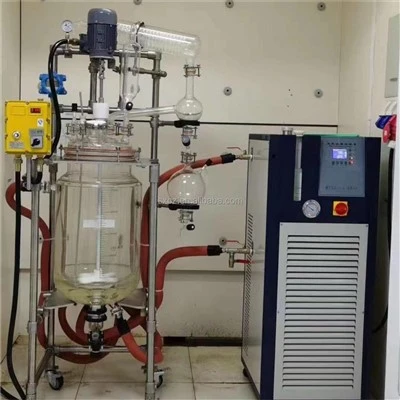
Before delving into troubleshooting, it's essential to grasp the components and functioning of a product system.
This equipment typically consists of a glass vessel, stirrer assembly, heating or cooling jacket, condenser, and associated fittings.
The reactor vessel itself is often jacketed to allow for temperature control during chemical reactions, making it suitable for a wide range of laboratory applications.
By mastering the operation of this equipment, researchers can conduct complex chemical reactions efficiently and safely, advancing scientific research and innovation.
Proper knowledge and maintenance of the system ensure reliable performance and accurate experimental results, making the product a cornerstone of modern laboratory practice.
Common Sources of Leaks
Identifying the source of a leak is the first step in resolving the issue. Leaks in a 20L glass reactor system can originate from various points:
Seals and Gaskets: Over time, seals and gaskets can degrade or become misaligned, leading to leaks around connections such as lid seals, stirrer seals, or port seals.
Glass Joints: Another possible source of leaks is glass-to-glass couplings, particularly if they are polluted or poorly installed, which could jeopardize the integrity of the system. Regular inspection, proper cleaning, and ensuring tight, secure fittings are crucial to prevent leakage from these critical connection points.
Condenser Connections: The connections between the condenser and other parts of the system, such as the reactor vessel or vacuum pump, can develop leaks if not securely fastened or sealed.
Wear and Tear: Repeated assembly and disassembly of the condenser connections can cause wear and tear on the fittings and seals, making them more susceptible to leaks over time.
Thermal Stress: Glass joints can also be affected by thermal stress, especially if there are rapid temperature changes during the reaction process. Thermal expansion and contraction can cause small gaps or cracks to form, leading to leaks.
Pressure Relief Systems: Inadequate or malfunctioning pressure relief systems can also be a source of leaks. Pressure relief valves and rupture discs are designed to release excess pressure safely, preventing over-pressurization. If these components fail or are improperly set, they can cause leaks or even catastrophic failures. Regular testing and maintenance of pressure relief systems are crucial for safe reactor operation.
Chemical Compatibility: Incompatible chemical reactions can corrode or damage seals, gaskets, and even glass components. Ensuring that all materials in the reactor system are chemically compatible with the substances being used is vital to prevent leaks. In some cases, additional protective coatings or linings may be necessary to enhance chemical resistance.
Step-by-Step Troubleshooting Process
To effectively troubleshoot leaks in a 20L glass reactor system, follow these systematic steps:
Visual Inspection: Conduct a thorough visual inspection of the entire system. Look for obvious signs of leakage such as moisture, condensation, or discoloration around seals and joints.
Pressure Test: Pressurize the system using an inert gas (e.g., nitrogen) and observe for any drops in pressure, which indicate potential leaks. Use a pressure gauge to monitor changes accurately.
Check Seals and Gaskets: Inspect and replace any damaged or worn seals and gaskets. Ensure that seals are properly lubricated and correctly aligned to prevent leaks.
Tighten Connections: Use appropriate tools to tighten connections, especially around glass joints and condenser fittings. Be cautious not to overtighten, which could damage the glass.
Verify Vacuum Integrity: If the system operates under vacuum, check the integrity of vacuum seals and connections. Use a vacuum gauge to detect leaks and confirm proper vacuum levels.
Test with Water: For suspected leaks, conduct a water test by filling the reactor system with water (without chemicals) and observing for leaks. This can help pinpoint the exact location of the issue.
Check for Thermal Stress: Consider any rapid temperature changes that the reactor has undergone, as thermal stress can lead to glass breakage or micro-cracks. Ensure gradual heating and cooling processes to minimize thermal shock and inspect the glass for any thermal damage.
Address Detected Leaks: Once the source of the leak is identified, take appropriate action to fix it. Replace faulty components, reseal joints, or adjust fittings as necessary. If glass components are damaged, consult with a professional for repair or replacement.
Safety Considerations
Working with a 20L glass reactor system involves handling potentially hazardous chemicals and equipment. Prioritize safety by wearing appropriate personal protective equipment (PPE), working in a well-ventilated area, and following established laboratory protocols for handling chemicals and emergencies. laboratory personnel can mitigate risks and maintain a secure working environment. This approach not only protects individuals but also ensures the integrity and success of experimental processes.
Conclusion
In conclusion, troubleshooting leaks in a 20L glass reactor system requires a combination of systematic inspection, technical expertise, and stringent safety practices. By methodically inspecting seals, joints, and connections, and addressing any detected issues promptly, laboratory personnel can maintain the integrity of their experimental processes. Prioritizing safety through the use of PPE, proper ventilation, and adherence to safety protocols ensures a secure working environment. Through diligent maintenance, proactive troubleshooting, and a commitment to safety, the operational efficiency and reliability of the product systems can be upheld, supporting the advancement of scientific research and chemical synthesis.