


Difference Between Glass Lined Reactor And Stainless Steel Reactor
May 20, 2024
Leave a message
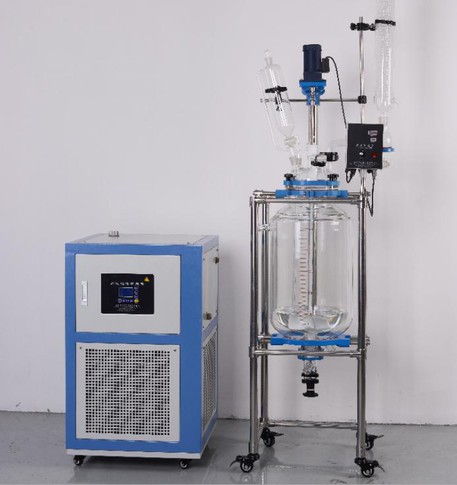
Glass Lined Reactors epitomize a fusion of glass and steel, combining the advantageous properties of both materials. The construction of a glass-lined reactor involves a steel shell lined with a layer of vitreous enamel (glass). This amalgamation bestows the reactor with unique attributes, making it adept for various chemical processes.

Glass Lining: An Overview
The glass lining of these reactors comprises of a lean layer of glass connected to the internal surface of the steel shell through a specialized combination prepare. This glass layer, ordinarily composed of melded silica, offers remarkable resistance to erosion from acids, antacids, and other destructive substances commonly experienced in chemical reactions.
Properties of Glass Lined Reactors

Corrosion Resistance:
The essential charm of Glass Lined Reactors lies in their surprising resistance to erosion, making them perfect for taking care of destructive chemicals without the chance of defilement or degradation.
Transparency:
The straightforward nature of glass encourages visual checking of the response prepare, empowering administrators to watch response energy, stage changes, and any potential issues such as fouling or crystallization.
Smooth Surface:
Glass lining gives a smooth surface to the reactor insides, minimizing the chance of item grip, encouraging intensive cleaning, and guaranteeing steady item quality.
Thermal Stun Resistance:
Glass Lined Reactors display commendable warm stun resistance, permitting for quick changes in temperature without compromising basic keenness or performance.
Stainless Steel Reactor: Revealing Development and Attributes
Stainless steel reactors, characterized by their vigorous steel development, are eminent for their solidness, flexibility, and reasonableness for a wide run of chemical forms. Let us dig into the development and recognizing highlights of stainless steel reactors.
Stainless Steel Development: A Closer Look
Stainless steel reactors are created completely from stainless steel, a corrosion-resistant combination comprising press, chromium, nickel, and other components. The nonattendance of a glass lining recognizes stainless steel reactors from their glass-lined partners, affecting their properties and appropriateness in different chemical forms.
Key Properties of Stainless Steel Reactors
Erosion Resistance:
Stainless steel reactors show commendable resistance to erosion, owing to the arrangement of a inactive oxide layer on the surface, which acts as a defensive boundary against destructive agents.
Mechanical Quality:
Stainless steel brags remarkable mechanical quality, rendering reactors created from this fabric competent of withstanding tall weights and temperatures, subsequently improving operational security and reliability.
Versatility:
Stainless steel reactors offer flexibility in terms of chemical compatibility, empowering their utilization over a wide range of chemical forms including acids, bases, solvents, and other responsive substances.
Hygienic Properties:
The smooth and non-porous surface of stainless steel encourages simple cleaning and sterilization, guaranteeing compliance with exacting cleanliness guidelines in businesses such as pharmaceuticals and nourishment processing.
Comparative Examination: Glass Lined vs. Stainless Steel Reactors
Having explained the development, properties, and properties of glass-lined and stainless steel reactors separately, it is basic to conduct a comparative investigation to perceive the subtleties between these two sorts of reactors.
Corrosion Resistance
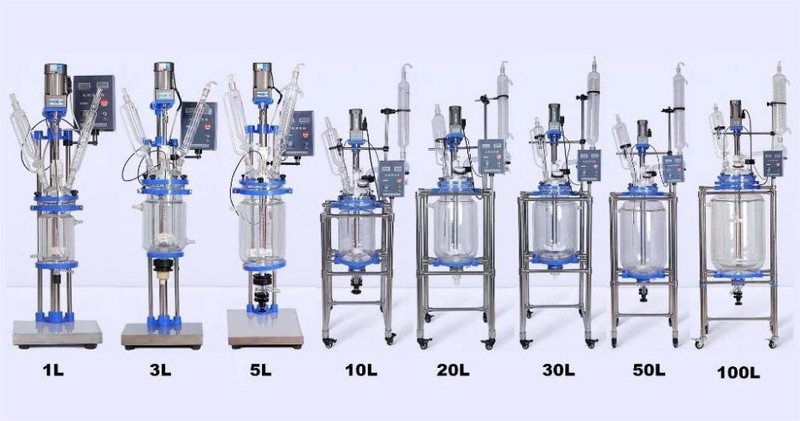
Glass Lined Reactors exceed expectations in erosion resistance, especially against acidic and soluble substances, owing to the inactive nature of the glass lining. Be that as it may, they may be helpless to mechanical harm or chipping, compromising their erosion resistance in localized zones.
In differentiate, stainless steel reactors offer characteristic erosion resistance all through the aggregate of their structure, yet with the potential for erosion beneath extraordinary conditions or in the nearness of profoundly forceful chemicals.
Transparency and Monitoring
The straightforwardness of Glass Lined Reactors permits for visual checking of the response prepare, encouraging real-time perception of response energy and item arrangement. This straightforwardness is truant in stainless steel reactors, requiring elective strategies such as testing or instrumented for checking and examination.
Mechanical Strength and Durability
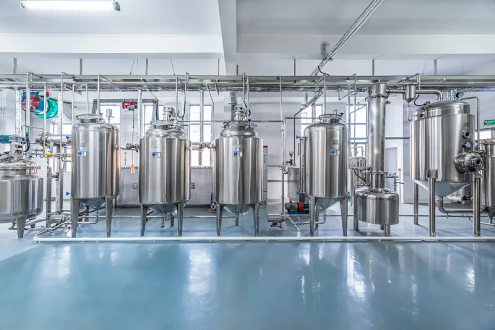
Stainless steel reactors gloat prevalent mechanical quality and toughness compared to Glass Lined Reactors. Whereas Glass Lined Reactors are more inclined to mechanical harm and warm stun due to the fragile nature of glass, stainless steel reactors display flexibility to affect and can withstand a broader run of working conditions without the chance of disastrous failure.
Hygiene and Cleanability
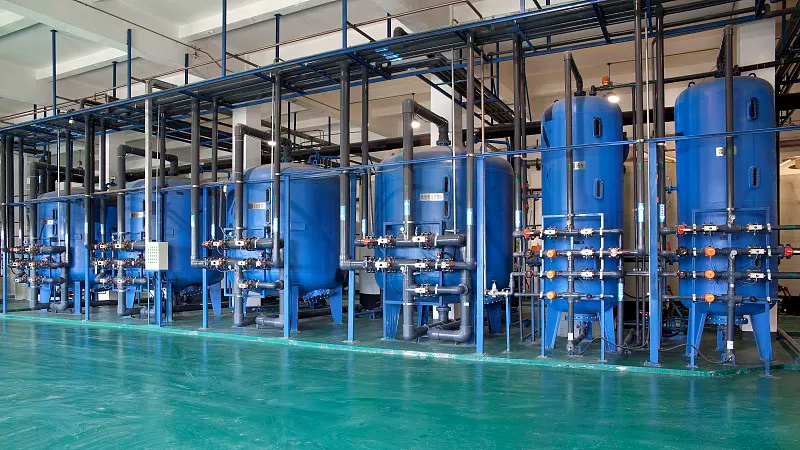
Both glass-lined and stainless steel reactors offer favorable clean properties, with smooth and non-porous surfaces conducive to simple cleaning and sterilization. In any case, stainless steel reactors may have a slight edge in terms of cleanability and resistance to fouling, as the nonappearance of a glass lining dispenses with the hazard of chipping or delamination, which can harbor contaminants or hinder cleaning efforts.
Cost Considerations
In terms of introductory speculation, Glass Lined Reactors tend to be more costly than stainless steel reactors due to the specialized fabricating forms included in applying the glass lining. Be that as it may, variables such as long-term upkeep costs, solidness, and operational productivity must be weighed to find out the generally cost-effectiveness of each reactor sort over its lifecycle.

Conclusion
In conclusion, the choice between Glass Lined Reactors and stainless steel reactors pivots on a bunch of variables, counting the particular prerequisites of the chemical handle, the nature of the substances included, operational contemplations, and budgetary limitations. Whereas Glass Lined Reactors offer unparalleled erosion resistance and straightforwardness for visual observing, stainless steel reactors stand out for their mechanical quality, strength, and flexibility over a wide range of applications.
Eventually, educated decision-making involves a comprehensive assessment of the preferences, confinements, and fetched suggestions related with each reactor sort, guaranteeing ideal execution and security in chemical handling operations.A critical aspect that should be considered when choosing between glass-lined and stainless steel reactors is the total lifecycle cost. While initial investment costs for stainless steel reactors might be higher, their durability and longevity can result in significant cost savings over time due to reduced maintenance and repair needs. Glass Lined Reactors, while offering excellent corrosion resistance, may require more careful handling and may be more susceptible to breakage, which could lead to higher replacement and repair costs.
References
"Glass Lined Reactors: Basics & Design Considerations" - https://www.pdcvacuum.com/glass-lined-reactors-basics-design-considerations/
"Stainless Steel Reactors: Properties and Applications" - https://www.chemicalprocessing.com/articles/2018/stainless-steel-reactors-properties-and-applications/
"Comparing Process Vessel Options: Glass-Lined versus Stainless Steel" - https://www.process-heating.com/articles/91157-comparing-process-vessel-options-glass-lined-versus-stainless-steel