


Can I Freeze Dry Without A Freeze Dryer?
Aug 10, 2024
Leave a message
Introduction
Freeze drying, or lyophilization, is a process used to preserve food, pharmaceuticals, and other materials by removing moisture through sublimation. While traditional freeze drying requires specialized equipment, many people wonder if it's possible to achieve similar results without a dedicated freeze dryer.
In this blog, we'll explore alternative methods for freeze drying, discuss the benefits of using a Portable Freeze Dryer, and provide tips for those interested in this preservation technique.

Understanding Freeze Drying
What is Freeze Drying?
Freeze drying involves three key stages:
Freezing: The material is frozen to a temperature where the water in it turns into solid ice.
Primary Drying (Sublimation): Under a vacuum, the ice sublimates directly into vapor, bypassing the liquid phase.
Secondary Drying (Desorption): Residual moisture is removed, leaving the material dry.
This process preserves the material's structure, flavor, and nutritional content, making it ideal for long-term storage.
The Role of a Freeze Dryer
Preservation of Nutritional Value and Quality: Freeze dryers are instrumental in preserving the nutritional integrity and quality of perishable goods. By removing moisture through sublimation at low temperatures, freeze drying retains vitamins, minerals, and flavors that would otherwise degrade with traditional preservation methods like heat drying or canning. This process ensures that foods maintain their original taste, texture, and nutritional value over extended periods, making it ideal for preserving fruits, vegetables, meats, and even pharmaceuticals.
Extended Shelf Life and Storage Efficiency: One of the primary benefits of using a Portable Freeze Dryer is the extension of shelf life for perishable items. By eliminating moisture, freeze-dried products become lightweight and compact, facilitating easier storage and transportation without the need for refrigeration. This feature is particularly advantageous in industries such as emergency preparedness, outdoor recreation, and military operations, where lightweight, shelf-stable food and medical supplies are essential.
Versatility in Applications: Freeze dryers find application across a wide range of industries beyond food preservation. In pharmaceuticals, freeze drying preserves drugs and vaccines by maintaining their efficacy and stability over time. It is also used in biotechnology to store sensitive biological materials like enzymes and cultures. Additionally, freeze drying is employed in the preservation of historical artifacts, documents, and even floral arrangements, where maintaining original appearance and integrity is crucial.
Alternative Methods to Freeze Drying
Air Drying
Air drying is a simple method where materials are exposed to air to remove moisture. While it's much less effective than freeze drying and can lead to spoilage, it's a common technique for herbs and some fruits. However, this method doesn't offer the same preservation quality as freeze drying.
Oven Drying
Oven drying uses heat to evaporate moisture. Though it can be effective for certain foods, it often leads to a loss of flavor, texture, and nutritional value. This method also lacks the vacuum conditions that freeze drying provides, making it less suitable for long-term preservation.
Dehydrators
Food dehydrators use heat and airflow to remove moisture. They are more effective than air or oven drying but still fall short of the freeze drying process. Dehydrators are best for drying fruits, vegetables, and herbs, but they do not achieve the same preservation quality as freeze drying.
DIY Freeze Drying Techniques
There are some DIY methods for attempting freeze drying at home, although they are less reliable and more labor-intensive than using a dedicated freeze dryer. Techniques include:
Using a Home Freezer and Vacuum: This involves freezing the material in a home freezer and then using a vacuum pump to remove moisture. While it mimics some aspects of freeze drying, it's challenging to maintain the precise conditions required for effective sublimation.
Dry Ice Method: This method uses dry ice to create a low-pressure environment and facilitate sublimation. It requires careful handling and control of temperatures and pressures.
While these methods can achieve partial results, they are not as effective as using a specialized freeze dryer.
Benefits of a Portable Freeze Dryer
Advantages Over DIY Methods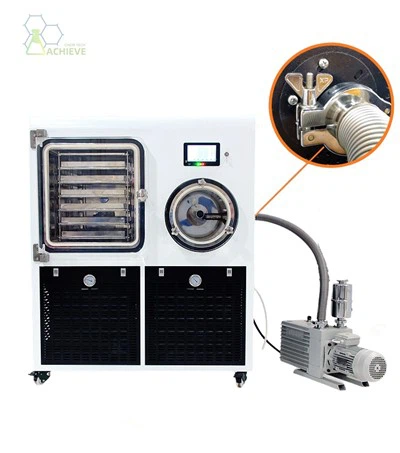
Precision and Efficiency: Portable freeze dryers offer precise temperature and pressure controls, ensuring optimal freeze drying conditions and better preservation quality.
Ease of Use: These machines are designed for user convenience, with straightforward controls and automated processes that simplify freeze drying at home.
Consistency: Convenient freeze dryers provide consistent results, reducing the variability and potential for failure associated with DIY methods.
Popular Portable Freeze Dryer Models
Harvest Right Standard Freeze Dryer: This model is known for its ease of use and effective freeze drying capabilities. It's a popular choice for home users who need reliable results without the complexity of DIY methods.
Labconco FreeZone: Another option that offers efficient freeze drying in a compact form. It's suitable for users who need high-quality results in a home or small-scale setting.
Tips for Using a Portable Freeze Dryer
Choosing the Right Model
Consider Your Needs: Assess the volume of material you need to freeze dry and choose a model that fits your requirements. Larger models offer more capacity but may take up more space.
Read Reviews: Look for user reviews and testimonials to gauge the performance and reliability of different models. This can provide insights into how well a Portable freeze dryer works in real-world settings.
Operating Your Freeze Dryer
Follow Instructions: Always follow the manufacturer's instructions for operation and maintenance. Proper use will ensure the best results and extend the life of your equipment.
Regular Maintenance: Perform regular maintenance and cleaning to keep the machine in good working condition. This includes checking seals, cleaning trays, and ensuring proper vacuum operation.
Conclusion
While it is possible to attempt freeze drying without a dedicated freeze dryer, the results are often less effective and more challenging to achieve consistently. Using a Convenient Freeze Dryer offers a practical and reliable solution for high-quality freeze drying at home or in small-scale settings. These machines provide precision, ease of use, and consistent results, making them a valuable tool for preserving food and other materials.
For more information on Portable Freeze Dryers and other lab chemical equipment, contact ACHIEVE CHEM at sales@achievechem.com.
