


Can A Rotovap Evaporate Water
Jul 13, 2024
Leave a message
Understanding Rotary Evaporation

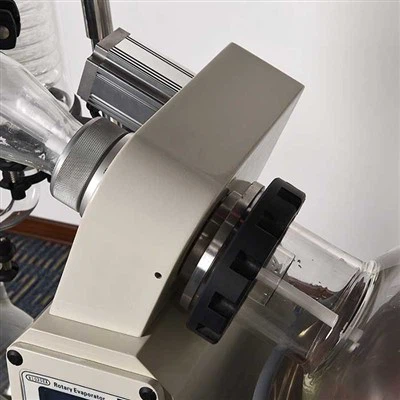
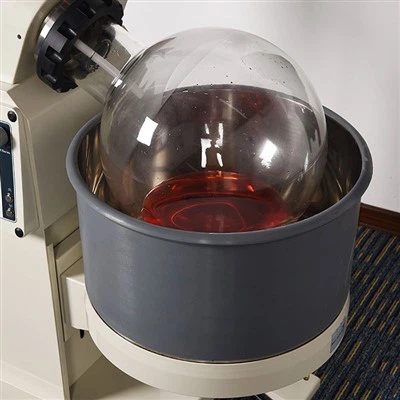
Before addressing the specific question of whether a rotovap evaporate water, it is essential to comprehend the fundamentals of rotary evaporation. A rotovap is comprised of a few significant parts: a collection flask, a rotating flask, a heating bath, and a condenser. After the sample is placed in the rotating flask, the heated bath is partially submerged. As the flask rotates, the solvent evaporates more easily due to the increased surface area. The fume is moved to the condenser, where it is cooled and put away independently in a carafe.
Evaporation of Water: Essential Standards
Water's Boiling Point
At atmospheric pressure, water has a boiling point of 100°C (212°F). In a rotovap, the edge of boiling over of water can be fundamentally diminished by applying a vacuum, which brings down the strain inside the framework. Evaporation of water at temperatures that are safe for the sample and the equipment depends on this reduction in boiling point.
Job of Vacuum
Water has a temperature limit of 100°C (212°F) at barometrical tension. The risk of water boiling over in a rotovap can be significantly reduced by applying a vacuum, which reduces the tension within the framework. Water must lose its boiling point at temperatures that are safe for the sample and the equipment in order to evaporate.
Can a Rotovap Evaporate Water?
Practical Considerations
In fact, a rotovap evaporate water effectively . However, there are a few practical considerations to keep in mind to ensure optimal performance and avoid potential issues:
Vacuum Volume: The appropriate adjustment of the vacuum level is required to lower water's boiling point. Too high a vacuum can cause thumping, where the model air pockets severely, while too low a vacuum may not diminish the breaking point sufficiently.
The Bath Heater's Temperature: The heating bath should be set to a temperature that allows for efficient evaporation without overheating. Water normally vanishes at temperatures somewhere in the range of 40°C and 60°C (104°F and 140°F), which is the most well-known range.
Cooling by condenser: The condenser should be successfully cooled for the water fume to re-gather once more into a fluid. By using a cooling medium like chilled water or a refrigerant, the condensation process can be made more efficient.
Applications in Small Labs
Dissipating water with a rotovap can be very helpful in a lot of small lab applications, like fixing, reusing dissolvables, and cleaning processes. For instance, water is frequently used as a solvent in research in chemistry and biology, so getting rid of it before preparing samples for subsequent investigations or experiments is essential.
Best Practices for Evaporating Water with a Rotovap
|
|
|
Setting Up the Equipment
Proper Calibration: Ensure that the rotovap is properly calibrated, with the vacuum pump, heating bath, and condenser all functioning optimally. Regular maintenance and calibration checks are essential for reliable performance.
Appropriate Flask Size: Use a flask that is appropriately sized for the volume of water being evaporated. An oversized flask can lead to inefficient evaporation, while an undersized flask may result in spillage and loss of sample.
Optimizing Operating Conditions
Gradual Temperature Increase: When starting the evaporation process, gradually increase the temperature of the heating bath to avoid sudden boiling and bumping of the sample.
Consistent Monitoring: Continuously monitor the temperature, vacuum level, and evaporation rate. Adjustments may be needed to maintain optimal conditions throughout the process.
Enhancing Efficiency
Preheating Samples: Preheating the water sample to a temperature close to the heating bath temperature can enhance evaporation efficiency by reducing the initial thermal gradient.
Stirring and Rotation: Utilize the rotation feature of the rotovap to increase the surface area of the water, facilitating faster evaporation. Some rotovaps also offer stirring mechanisms that can further enhance the process.
Challenges and Solutions
Handling High Water Volumes
Because it takes a lot of energy and time, evaporating a lot of water can be hard. Consider the following options to address this:
Evaporation in Steps: If there is a lot of water, evaporation should be done in small steps to keep the system running smoothly and avoid overloading the condenser.
Improved Cooling: To accommodate the increased vapor load, use a cooling system that is effective for the condenser. Recirculators that use chilled water or coolers that use refrigerants can help keep the condenser running at its best.
Preventing Contamination
Evaporating water poses a threat of contamination, particularly in a laboratory setting where purity is of the utmost importance. To prevent contamination:
Clean Products: Before we use the rotovap evaporate water, be sure to thoroughly clean all of its parts. Lingering solvents or pollutants can influence the virtue of the dissipated water.
Water Filtered: Utilize sifted or refined water to limit the presentation of contaminations into the framework.
Safety Considerations
Avoiding Bumping
Bumping, or violent boiling, can occur when evaporating water under vacuum. To mitigate this risk:
Gradual Vacuum Adjustment: Gradually adjust the vacuum level to prevent sudden pressure drops that can cause bumping.
Anti-bumping Granules: Adding anti-bumping granules or boiling stones to the flask can help provide nucleation sites for controlled boiling.
Ensuring Proper Ventilation
Proper ventilation is crucial when evaporating water to ensure the safe dispersion of vapors and prevent the buildup of pressure within the system. Ensure that the laboratory is well-ventilated and that the rotovap is equipped with appropriate venting mechanisms.
Environmental and Economic Impact
Energy Efficiency
Letting the rotovap evaporate water can be energy-intensive, particularly for large volumes. To improve energy efficiency:
Optimize Heating Bath Temperature: Use the lowest effective temperature to reduce energy consumption.
Efficient Vacuum Pumps: Utilize energy-efficient vacuum pumps that provide the necessary vacuum level without excessive energy use.
Water Conservation
Water conservation is an important consideration in any laboratory setting. By efficiently evaporating and recovering water, laboratories can minimize waste and reduce their environmental footprint. Implementing water recycling practices and using recovered water for non-critical applications can further enhance sustainability.
Conclusion

In conclusion, with the right operating conditions and best practices, a rotovap evaporate water.
By figuring out the essentials of rotating dissipation and cautiously dealing with the temperature, vacuum level, and condenser cooling, little labs can effectively vanish water for various applications.
The advantages of using a rotovap for water evaporation will be maximized if the difficulties of handling large volumes of water, preventing contamination, and ensuring safety and environmental sustainability are all addressed.