


Are There Any Safety Concerns With Making Your Own Pills?
Oct 15, 2024
Leave a message
DIY healthcare has gained prominence in recent years, as more individuals look into methods to take control of their physical and mental well-being. Using pill maker kits to create personalised vitamins or medicines at home is one subject that has attracted debate and concern.
Comprehending the potential risks and safety problems associated with creating your own medicines is vital, regardless of how the notion might appear appealing. The present piece explores the subject of DIY pill production, evaluating the advantages and disadvantages as well as any possible legal consequences. We'll explore why some people are drawn to pill maker kits, the potential dangers involved, and what experts say about this growing trend.

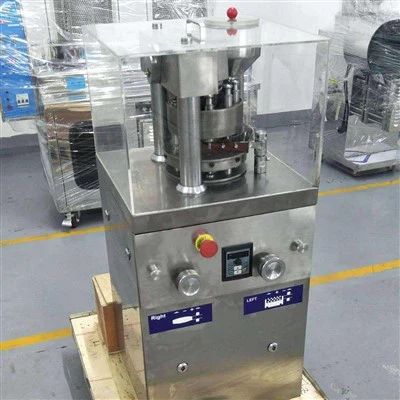
We provide Pill Press Machine, please refer to the following website for detailed specifications and product information.
Product: www.achievechem.com/pill-press
Pill Maker Kits: What They Are and How They Work
|
Pill maker kits are tools designed to help individuals create their own pills or capsules at home. These kits typically include a variety of components, such as capsule filling machines, empty gelatin or vegetarian capsules, powder trays, and tamping tools. The basic process involves filling the capsules with powdered ingredients, which can range from vitamins and supplements to herbal mixtures or even prescription medications.
While the concept may seem straightforward, it's important to note that pill making is a complex process that requires precision and knowledge. Professional pharmaceutical companies use sophisticated equipment and follow strict quality control measures to ensure the safety and efficacy of their products. Home pill maker kits, by comparison, are much simpler and lack the advanced features found in industrial settings. |
|
|
|
Some people are drawn to pill maker kits for various reasons: 1) Customization: The ability to create personalized supplement blends tailored to individual needs. 2) Cost-saving: Potentially reducing expenses by buying ingredients in bulk and making pills at home. 3) Control over ingredients: Knowing exactly what goes into each pill, avoiding unwanted additives or fillers. 4) Convenience: Having the flexibility to make pills as needed, rather than relying on pre-packaged products. However, it's crucial to understand that while pill maker kits may offer these perceived benefits, they also come with significant risks and challenges that shouldn't be overlooked. |

Safety Concerns and Potential Risks of Home Pill Making
|
When it comes to making your own pills at home, there are several safety concerns and potential risks that need to be carefully considered: Lack of quality control: Unlike pharmaceutical companies, individuals using pill maker kits don't have access to advanced testing equipment or quality control processes. This means there's no way to ensure the consistency, purity, or potency of homemade pills. Contamination risks: Home environments are not sterile, and there's a high risk of contamination from various sources such as dust, bacteria, or other household substances. This can lead to potentially harmful effects when ingesting homemade pills. Dosage inaccuracies: Achieving precise dosages is crucial for both effectiveness and safety. Home pill makers may struggle to measure and distribute ingredients accurately, leading to under- or over-dosing. Ingredient interactions: Without proper pharmaceutical knowledge, it's challenging to predict how different ingredients might interact when combined in a pill. This could lead to unexpected side effects or reduced efficacy. |
|
|
|
Lack of proper labeling: Homemade pills often lack proper labeling, increasing the risk of confusion or accidental misuse, especially in households with multiple people or medications. Storage and stability issues: Professionally manufactured pills are designed to remain stable under specific storage conditions. Homemade pills may degrade more quickly or become ineffective if not stored properly. Allergic reactions: Without proper testing and quality control, there's an increased risk of allergic reactions to ingredients or contaminants in homemade pills.
These safety concerns highlight the importance of approaching home pill making with extreme caution. The potential risks often outweigh the perceived benefits, especially when dealing with essential medications or supplements that can significantly impact health. It's worth noting that healthcare professionals and regulatory bodies strongly advise against making your own pills at home. The Food and Drug Administration (FDA) does not regulate pill maker kits or homemade medications, which means there are no safety guarantees or oversight for these products. |

Legal and Ethical Considerations of Using Pill Maker Kits
Many ethical and legal problems are thrown up by the everyday use of pill maker kits, and these should be taken seriously.
● Legal status: The legality of using pill maker kits to make specific kinds of pills can be unclear, even if they are typically acceptable to buy and possess in many nations, including the US. It's crucial to understand that:
Making pills without the right permission that contain prescription drugs or prohibited substances is against the rules and carries severe penalties.
Most jurisdictions prohibit making pills for sale or distribution without the necessary licensing and regulatory compliance, even if you are utilizing over-the-counter substances or authorized supplements.
● Ethical considerations: Beyond the legal aspects, there are ethical concerns to ponder:
Safety responsibility: You own responsibility for the product's efficacy and safety when you make pills at home. This raises ethical questions about potentially putting yourself or others at risk.
Information transparency: If sharing or distributing homemade pills (even if not for sale), there's an ethical obligation to provide accurate information about ingredients and potential risks, which can be challenging without proper testing and labeling capabilities.
Impact on healthcare: The trend of DIY pill making could potentially undermine trust in established healthcare systems and professionally manufactured medications.
● Regulatory gaps: The growing popularity of pill maker kits has highlighted regulatory gaps in many countries. While pharmaceutical companies are subject to strict regulations and oversight, home pill making exists in a gray area that lacks clear guidelines or enforcement.
● Professional stance: Medical professionals and pharmacists generally advise against using pill maker kits for several reasons:
Potential health risks associated with improperly made pills
Concerns about drug interactions and contraindications that may not be apparent to non-professionals
The importance of proper dosing and quality control in medication effectiveness
It's important to note that while the desire for personalized healthcare solutions is understandable, the risks associated with home pill making are significant. Healthcare professionals emphasize the importance of working with licensed medical practitioners and pharmacists to address individual health needs safely and effectively.
If you're considering using a pill maker kit, it's crucial to consult with a healthcare provider first. They can provide guidance on safe and legal alternatives that meet your specific health needs without compromising your safety or breaking the law.
Conclusion
For those looking for individualized healthcare solutions, pill maker kits could seem like a good choice, but there are serious safety risks and legal ramifications to home pill manufacturing. The lack of quality control, potential for contamination, dosage inaccuracies, and legal risks far outweigh any perceived benefits. Healthcare professionals strongly advise against this practice, emphasizing the importance of relying on regulated, professionally manufactured medications and supplements.
If you have specific health needs or concerns about your current medications, the best course of action is to consult with a licensed healthcare provider or pharmacist. They can offer safe, legal, and effective alternatives tailored to your individual requirements. Ultimately, when it comes to your health, it's crucial to prioritize safety and trust in established medical practices over the allure of DIY solutions.