


Are Lab Glassware Condensers Easy To Clean And Maintain?
Jun 04, 2024
Leave a message
Lab glassware condensers are by and large planned to be generally simple to clean and keep up, but the particular ease of cleaning and upkeep can change depending on components such as the sort of condenser, its plan, and the complexity of the test setup. Here are a few common considerations:
Material Composition: Lab glassware condensers are ordinarily made from borosilicate glass, which is safe to warm stun and chemical erosion. Borosilicate glass is generally simple to clean and can withstand rehashed presentation to cleaning operators and sterilization strategies without noteworthy degradation.
Straightforward Plan: Condensers with straightforward, straight tube plans, such as Liebig condensers, are ordinarily simpler to clean compared to more complex plans with coils, bulbs, or numerous inside sections. Clear plans have less cleft and inner surfaces where buildups can gather, making them less demanding to flush and clean thoroughly.
Modular Components: A few lab condensers highlight secluded components that can be effortlessly dismantled for cleaning and support. These components may incorporate detachable tubing, connectors, and fittings, permitting clients to get to inner surfaces and expel any trapped debris or residues.
Chemical Compatibility: It's critical to consider the chemical compatibility of cleaning operators with the materials utilized in the condenser. Whereas borosilicate glass is safe to numerous chemicals, certain cruel cleaning operators or solvents may harm or debase the glass over time. Gentle cleanser arrangements or specialized glassware cleaners are regularly suggested for schedule cleaning.
Cleaning Strategies: Cleaning strategies for lab glassware condensers regularly include flushing with dissolvable or water promptly after utilize to expel any remaining chemicals or compounds. Persistent buildups may require splashing or cleaning with a delicate brush or wipe. Occasional cleaning with weakened acids or soluble arrangements may be essential to evacuate mineral stores or natural residues.
Drying and Capacity: After cleaning, lab condensers ought to be altogether flushed with water and permitted to discuss dry or dried with a lint-free cloth or compressed discuss. Legitimate capacity in a clean, dry environment makes a difference avoid defilement and draws out the life expectancy of the condenser.
Regular Assessment: Standard assessment of lab condensers is suggested to check for signs of harm, wear, or erosion. Any harmed or compromised components ought to be supplanted instantly to keep up the astuteness and execution of the condenser.
Overall, whereas lab glassware condensers are for the most part outlined to be simple to clean and keep up, appropriate care and support hones are fundamental to guarantee ideal execution, life span, and security. By taking after suggested cleaning strategies and dealing with hones, clients can keep their condensers in great condition and minimize the hazard of defilement or test mistakes.
Introduction to Lab Glassware Condensers
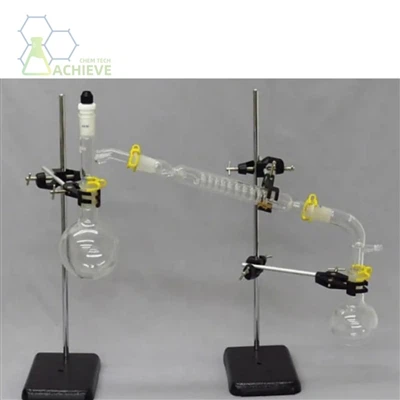
Lab glassware condensers are crucial components in laboratory setups, used primarily for cooling vapors and gases back into liquid form through condensation. They play a significant role in processes such as distillation, refluxing, and solvent recovery.
Importance of Cleaning and Maintaining Lab Glassware Condensers

Proper cleaning and maintenance of lab glassware condensers are essential for several reasons:
1. Performance Efficiency:
Clean condensers ensure optimal heat exchange and efficient condensation of vapors.
2. Longevity:
Regular maintenance extends the lifespan of condensers, reducing the need for frequent replacements.
3. Experimental Accuracy:
Contaminated condensers can introduce impurities, affecting the accuracy of experimental results.
Components of Lab Glassware Condensers
Understanding the components helps in effective cleaning and maintenance:
1. Inner Tube:
The pathway through which vapors pass.
2. Outer Jacket:
Surrounds the inner tube and allows coolant flow.
3. Coolant Inlet and Outlet:
Ports for coolant entry and exit.
4. Connections:
Ground glass joints for connecting to other lab apparatus.
Best Practices for Cleaning Lab Glassware Condensers
Cleaning procedures vary based on the type of condenser and the substances used. Here are general best practices:
1. Disassembly:
Separate all parts for thorough cleaning.
2. Rinse with Solvent:
Rinse with acetone or ethanol to remove residual substances.
3. Wash with Detergent:
Use a mild detergent solution for cleaning.
4. Rinse with Distilled Water:
Ensure all detergent is removed.
5. Dry and Store Properly:
Air dry or use lint-free wipes, then store in a clean, dry place.
Tips for Maintaining Lab Glassware Condensers
Maintaining condensers prolongs their life and ensures performance:
1. Regular Inspections:
Check for cracks, chips, or signs of wear.
2. Coolant Integrity:
Monitor coolant levels and quality.
3. Preventative Maintenance:
Schedule routine maintenance to prevent build-up and corrosion.
4. Storage:
Store condensers in a protective case to prevent damage.
Challenges in Cleaning and Maintaining Lab Glassware Condensers
Despite their importance, cleaning and maintaining condensers can present challenges:
1. Complexity:
Some designs are intricate, making disassembly and cleaning difficult.
2. Chemical Compatibility:
Ensure cleaning agents do not react with condenser materials.
3. Time-Consuming:
Cleaning may be time-intensive, affecting laboratory workflow.
4. Storage Considerations:
Proper storage of cleaned condensers is essential to prevent contamination and damage between uses. Storing condensers in a clean, dry environment free from dust, moisture, and other contaminants helps maintain their cleanliness and prolongs their lifespan. However, inadequate storage conditions can lead to recontamination or deterioration of cleaned condensers.
5.Regular Maintenance:
Regular inspection and maintenance are necessary to identify and address any issues or defects in the condenser promptly. This may include checking for signs of wear, corrosion, or damage, as well as replacing worn or damaged components to ensure the continued performance and safety of the condenser.
Despite these challenges, proper cleaning and maintenance practices can help overcome many of the difficulties associated with lab glassware condensers. By following recommended cleaning procedures, using compatible cleaning agents, handling condensers with care, and conducting regular inspections, users can maintain the cleanliness, integrity, and performance of their condensers effectively.
Conclusion
Lab glassware condensers are critical components in laboratories, requiring proper cleaning and maintenance to ensure optimal performance and longevity. By following best practices and addressing challenges, laboratories can maximize the efficiency and lifespan of their condensers.
References
"Cleaning and Maintenance of Laboratory Glassware" - https://www.example.com/cleaning-maintenance-laboratory-glassware
"Best Practices for Cleaning Lab Glassware Condensers" - https://www.example.com/best-practices-cleaning-lab-glassware-condensers
"Importance of Maintaining Laboratory Equipment" - https://www.example.com/importance-maintaining-laboratory-equipment