


Weak Acid Material: Selecting the Optimal Reactor Material
Oct 14, 2024
Leave a message
In the realm of chemical processing, the choice of reactor material is crucial for ensuring the efficiency, safety, and durability of the entire system. When dealing with weak acids, the selection becomes even more critical due to the unique properties and reactivity of these compounds. Weak acids, unlike strong acids, partially ionize in aqueous solutions, resulting in lower concentrations of hydrogen ions (H+). This characteristic necessitates a careful consideration of reactor materials that can withstand the specific conditions posed by weak acids without undergoing detrimental chemical or physical changes.
This article delves into the intricacies of selecting reactor materials for weak acid applications, covering various factors such as corrosion resistance, compatibility, cost, and operational considerations. By exploring these aspects, we aim to provide a comprehensive guide for engineers and chemists tasked with designing or selecting reactors for weak acid processes.
Understanding Weak Acids

Before discussing reactor materials, it's essential to grasp the basics of weak acids. Weak acids, such as acetic acid (CH3COOH), carbonic acid (H2CO3), and phosphoric acid (H3PO4), do not fully dissociate into their constituent ions in water. Instead, they exist in a dynamic equilibrium between the undissociated acid molecule and its dissociated ions. This partial ionization results in lower pH values compared to neutral water but significantly higher pH values than those of strong acids like hydrochloric acid (HCl) or sulfuric acid (H2SO4).
The reactivity of weak acids can vary widely depending on their specific chemical structure and concentration. Some weak acids, like acetic acid, are relatively benign and widely used in household products like vinegar. Others, like phosphoric acid, have industrial applications that require careful handling due to their potential for corrosion and toxicity.
Key Factors in Reactor Material Selection
When selecting reactor materials for weak acid applications, several factors must be taken into account. These include:
|
|
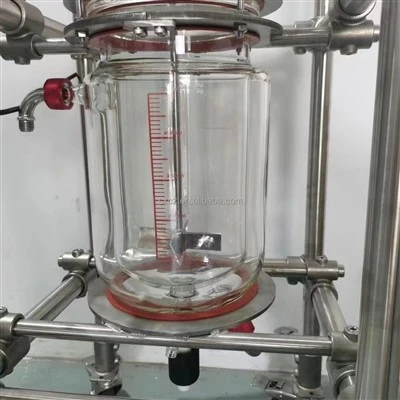
◆ Corrosion Resistance Corrosion is a significant concern when dealing with any type of acid, including weak acids. Corrosion occurs when a material reacts with its environment, leading to the gradual destruction of the material's properties. In reactor systems, corrosion can lead to leaks, reduced efficiency, and even catastrophic failures. Materials that exhibit high corrosion resistance to weak acids are typically preferred. These include stainless steels, titanium, and certain grades of nickel-based alloys. Stainless steels, particularly those with high chromium and nickel contents (such as 316L stainless steel), offer good corrosion resistance to a wide range of weak acids. Titanium is another excellent choice due to its exceptional resistance to both oxidizing and reducing acids. Nickel-based alloys, such as Hastelloy and Inconel, are also highly resistant to corrosion and are often used in severe environments. |
|
◆ Compatibility Compatibility refers to the ability of the reactor material to coexist with the weak acid without undergoing unwanted chemical reactions. Some materials may react with weak acids to form precipitates, gases, or other compounds that can interfere with the process or damage the reactor. Ensuring compatibility often involves conducting laboratory tests to observe the interaction between the reactor material and the weak acid under simulated process conditions. These tests can help identify potential issues such as material degradation, contamination, or the formation of harmful byproducts. |
|

|
|
◆ Cost Cost is always a consideration in reactor material selection. Different materials have varying price points, and the choice often boils down to finding a balance between performance and affordability. Stainless steels are generally more cost-effective than titanium or nickel-based alloys. However, their corrosion resistance may be insufficient for some weak acids, necessitating the use of more expensive materials. In such cases, engineers must weigh the additional cost against the potential benefits in terms of reactor longevity, safety, and process efficiency. |

|
◆ Operational Considerations Operational considerations include factors such as temperature, pressure, and the presence of other chemicals or impurities in the reactor environment. These factors can significantly influence the performance and durability of reactor materials. For example, high temperatures can accelerate corrosion rates and promote the formation of corrosive species. Similarly, high pressures can strain reactor walls and increase the risk of leaks. The presence of impurities, such as chloride ions, can also exacerbate corrosion issues. When selecting reactor materials, engineers must carefully assess the operational conditions and choose materials that can withstand these conditions without compromising performance or safety. |
|
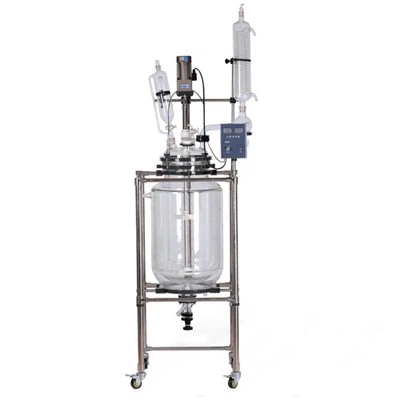
Reactor Materials for Weak Acid Applications
Based on the factors discussed above, several materials stand out as suitable choices for reactors handling weak acids. These include:
◆ Stainless Steel
Stainless steel is a versatile material that offers good corrosion resistance to a wide range of weak acids. It is also relatively inexpensive compared to other high-performance materials. However, its corrosion resistance can vary depending on the grade and composition of the stainless steel.
For example, 304 stainless steel is commonly used in mild environments but may not be sufficient for more aggressive weak acids. In contrast, 316L stainless steel, with its higher chromium and nickel content, offers better corrosion resistance and is often the preferred choice for reactors handling weak acids.
◆ Titanium
Titanium is an excellent choice for reactors handling weak acids due to its exceptional corrosion resistance and strength. It is particularly well-suited for applications involving oxidizing acids, such as nitric acid, which can be particularly corrosive to other materials.
Titanium's high cost is a drawback, but its long-term durability and corrosion resistance often justify the investment. Additionally, titanium is lightweight and easy to fabricate, making it a practical choice for complex reactor designs.
◆ Nickel-Based Alloys
Nickel-based alloys, such as Hastelloy and Inconel, are known for their exceptional corrosion resistance and high-temperature performance. They are often used in severe environments where other materials fail.
These alloys are highly resistant to both oxidizing and reducing acids, making them suitable for a wide range of weak acid applications. However, their high cost and limited availability can be prohibitive for some projects.
◆ Plastic and Polymeric Materials
In some cases, plastic or polymeric materials may be considered for reactors handling weak acids. These materials offer good corrosion resistance and can be cost-effective alternatives to metals.
However, they are generally less durable and have lower temperature and pressure ratings compared to metallic materials. Additionally, some plastics may be susceptible to degradation or swelling when exposed to certain weak acids.