


The Use of Crystallization Reactor
Oct 14, 2024
Leave a message
Crystallization reactors are essential pieces of equipment in the chemical and pharmaceutical industries, playing a crucial role in the production of crystalline products. These reactors are designed to facilitate the controlled crystallization of solutes from solutions, resulting in high-quality crystals that meet specific purity and size requirements.
In this article, we will delve into the use of crystallization reactors, exploring their design, operation, applications, and the factors that influence their performance.
Overview of Crystallization Reactors
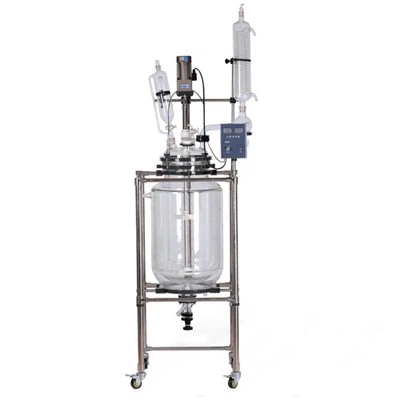
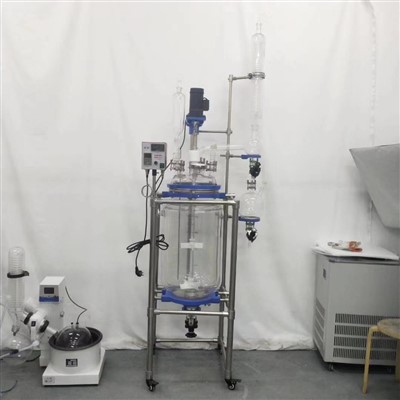
Crystallization reactors are specialized vessels used to carry out crystallization processes. They typically consist of a reaction chamber, heating and cooling systems, stirring mechanisms, and control systems for monitoring and regulating process parameters. The primary function of a crystallization reactor is to provide an environment where solutes can precipitate from solution in a controlled manner, forming crystals of desired quality.
Design and Components of Crystallization Reactors
The design of crystallization reactors varies depending on the specific application and the requirements of the crystallization process. However, most reactors share common components and features.
|
◆ Reaction ChamberThe reaction chamber is the central component of a crystallization reactor. It is usually made of high-quality materials such as stainless steel or glass, which can withstand the high temperatures and pressures involved in crystallization processes. The chamber is designed to hold the solution containing the solutes that will undergo crystallization.
◆ Heating and Cooling SystemsHeating and cooling systems are crucial for controlling the temperature of the solution within the reactor. Temperature is a critical parameter in crystallization processes, as it affects the solubility of solutes and the rate of crystallization. Heating systems may include steam heaters, electric heaters, or other heat sources, while cooling systems often utilize chilled water or refrigerant. |
|

|
|
◆ Stirring MechanismsStirring mechanisms are used to ensure that the solution within the reactor is well-mixed, promoting uniform crystallization. Stirring can be achieved using impellers, paddles, or other mixing devices. The choice of stirring mechanism depends on the viscosity of the solution and the size of the reactor.
◆ Control SystemsControl systems are essential for monitoring and regulating the process parameters within the reactor. These systems may include temperature sensors, pressure sensors, flow meters, and other instruments that provide real-time data on the process conditions. Control systems also include actuators such as valves and pumps, which can be used to adjust process parameters as needed. |
Operation of Crystallization Reactors
The operation of crystallization reactors involves several steps, including preparation of the solution, heating or cooling to the desired temperature, stirring to ensure uniform mixing, and allowing the crystallization process to occur.
◆ Preparation of the Solution
Before starting the crystallization process, the solution containing the solutes must be prepared. This may involve dissolving the solutes in a solvent, adjusting the pH, and adding any necessary additives or catalysts. The composition of the solution will depend on the specific application and the requirements of the crystallization process.
◆ Heating or Cooling
Once the solution is prepared, it is heated or cooled to the desired temperature. The temperature is chosen based on the solubility of the solutes and the desired rate of crystallization. Heating or cooling is typically achieved using the reactor's heating and cooling systems.
◆ Stirring
Stirring is initiated to ensure that the solution is well-mixed. This promotes uniform crystallization and prevents the formation of large, agglomerated crystals. Stirring is continued throughout the crystallization process.
◆ Crystallization
After the solution is heated or cooled to the desired temperature and stirred, the crystallization process begins. Solutes precipitate from the solution, forming crystals. The crystallization process may be allowed to proceed until a specific amount of crystals is formed, or until the solution reaches a certain concentration of solutes.
Applications of Crystallization Reactors
|
Crystallization reactors are used in a wide range of applications, including the production of pharmaceuticals, chemicals, and food products. ◆ Pharmaceutical IndustryIn the pharmaceutical industry, crystallization reactors are used to produce active pharmaceutical ingredients (APIs) and other crystalline products. These products must meet strict purity and size requirements to ensure their effectiveness and safety. Crystallization reactors provide a controlled environment where these requirements can be met. ◆ Chemical IndustryIn the chemical industry, crystallization reactors are used to produce a variety of crystalline chemicals, including dyes, pigments, fertilizers, and catalysts. These products are often used in other industrial processes and must meet specific quality standards. Crystallization reactors provide a reliable method for producing these chemicals in a controlled and efficient manner. ◆ Food IndustryIn the food industry, crystallization reactors are used to produce crystalline products such as sugars, starches, and fats. These products are used as ingredients in a wide range of food products, including candies, baked goods, and dairy products. Crystallization reactors provide a means of producing these ingredients in a consistent and high-quality manner. |
|
Factors Influencing Crystallization Reactor Performance
Several factors can affect the performance of crystallization reactors, including temperature, stirring speed, solution composition, and reactor design.
◆ Temperature
Temperature is a critical parameter in crystallization processes, as it affects the solubility of solutes and the rate of crystallization. Higher temperatures typically increase the solubility of solutes, while lower temperatures promote crystallization. The optimal temperature for a given crystallization process will depend on the specific solutes involved and the desired product characteristics.
◆ Stirring Speed
Stirring speed can also affect crystallization reactor performance. Stirring promotes uniform mixing and prevents the formation of large, agglomerated crystals. However, excessive stirring can disrupt the crystallization process and result in smaller, less pure crystals. The optimal stirring speed will depend on the specific application and the reactor design.
◆ Solution Composition
The composition of the solution within the reactor can also affect crystallization performance. The concentration of solutes, the presence of impurities, and the pH of the solution can all influence the crystallization process. Careful control of these parameters is essential for producing high-quality crystals.
◆ Reactor Design
The design of the crystallization reactor can also affect its performance. Factors such as reactor geometry, material of construction, and stirring mechanism can all influence the crystallization process. Choosing the right reactor design for a given application is essential for achieving optimal performance.

Conclusion
Crystallization reactors are essential pieces of equipment in the chemical and pharmaceutical industries. They provide a controlled environment where solutes can precipitate from solution in a controlled manner, forming crystals of desired quality. The design, operation, and performance of crystallization reactors are influenced by several factors, including temperature, stirring speed, solution composition, and reactor design. By carefully controlling these parameters, high-quality crystalline products can be produced in a consistent and efficient manner.
crystallization reactors play a crucial role in the production of crystalline products across a wide range of industries. Their design and operation must be carefully considered to ensure optimal performance and meet the specific requirements of each application. With the right reactor design and careful control of process parameters, crystallization reactors can provide a reliable and efficient means of producing high-quality crystalline products.