


Electric Blast Drying Ovens
Sep 20, 2024
Leave a message
Introduction
In the realm of industrial manufacturing, the process of drying is a crucial step that ensures the quality, safety, and functionality of a wide range of products. From pharmaceuticals and food items to electronics and textiles, effective drying techniques are essential for maintaining product integrity and meeting stringent industry standards. Among the various drying methods available, electric blast drying ovens have emerged as a highly efficient and versatile solution that is transforming the way manufacturers approach this critical process.
This article delves into the intricacies of electric blast drying ovens, exploring their unique features, operating principles, advantages over traditional drying methods, applications across diverse industries, and the latest technological advancements shaping their future. With a comprehensive examination of these aspects, we aim to provide a comprehensive understanding of the significant role that electric blast drying ovens play in modern industrial drying processes.
Understanding Electric Blast Drying Ovens
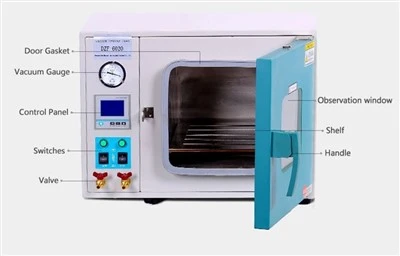
Electric blast drying ovens, as the name suggests, utilize electric heating elements to generate heat and a powerful blast of air to efficiently dry a variety of materials. These ovens are designed with advanced airflow systems that distribute heated air evenly throughout the chamber, ensuring consistent and rapid drying.
The core components of an electric blast drying oven include: Heating Elements: Typically, these ovens employ high-efficiency electric heaters, such as resistance heating elements or infrared heaters, to generate the required heat. These heaters are carefully positioned within the oven chamber to ensure optimal heat distribution.
1) Air Circulation System: A powerful fan or blower is integrated into the oven design, creating a strong airflow that circulates heated air throughout the chamber. This circulating air not only distributes heat evenly but also helps to remove moisture from the material being dried.
2) Temperature Control System: An advanced temperature control system is essential for maintaining the desired temperature within the oven chamber. This system typically consists of sensors, controllers, and heating elements that work in harmony to ensure precise temperature regulation.
3) Insulation and Sealing: To minimize heat loss and ensure efficient energy usage, electric blast drying ovens are constructed with high-quality insulation materials and well-sealed doors. This design feature also helps to maintain a consistent temperature within the chamber.
Operating Principles
The operating principle of an electric blast drying oven is straightforward yet highly effective. The process begins with the activation of the heating elements, which generate heat within the oven chamber. Simultaneously, the air circulation system kicks into action, drawing in ambient air and circulating it through the heated chamber.
As the heated air flows over and around the material being dried, it absorbs moisture from the surface and within the material's pores. The moisture-laden air is then expelled from the oven chamber, either through exhaust vents or recycled through a dehumidification system. This continuous cycle of heated air circulation and moisture removal results in rapid and efficient drying of the material.
Advantages of Electric Blast Drying Ovens
Electric blast drying ovens offer numerous advantages over traditional drying methods, making them a popular choice among manufacturers across various industries. Some of the key benefits include:
1) Rapid Drying: The powerful airflow and even heat distribution provided by electric blast drying ovens result in significantly faster drying times compared to conventional methods. This not only improves productivity but also reduces the risk of over-drying or degradation of the material.
2) Uniform Drying: The circulating airflow ensures that heat is distributed evenly throughout the oven chamber, resulting in consistent and uniform drying of the material. This is particularly important for products that require precise moisture content levels.
3) Versatility: Electric blast drying ovens can be used to dry a wide range of materials, including solids, liquids, and powders. Furthermore, they can be easily adapted to accommodate different sizes and shapes of products, making them a versatile solution for various industrial applications.
4) Energy Efficiency: Modern electric blast drying ovens are designed with energy-saving features, such as efficient insulation and precise temperature control systems. These features help to minimize heat loss and optimize energy usage, reducing operating costs.
5) Cleanliness and Hygiene: The enclosed design of electric blast drying ovens minimizes exposure to external contaminants, ensuring cleanliness and hygiene during the drying process. This is particularly important for industries such as pharmaceuticals and food processing, where product purity is paramount.

Applications Across Industries

Electric blast drying ovens find widespread applications across various industries, where their unique features and advantages make them an indispensable tool for drying processes.
Some of the key industries that utilize electric blast drying ovens include:
● Pharmaceuticals: In the pharmaceutical industry, electric blast drying ovens are used to dry active pharmaceutical ingredients (APIs), excipients, and final dosage forms. These ovens ensure consistent moisture content and minimize the risk of contamination, helping to maintain the purity and efficacy of pharmaceutical products.
● Food Processing: The food industry relies heavily on electric blast drying ovens for drying a variety of ingredients and products, including fruits, vegetables, grains, spices, and meat products. These ovens help to extend shelf life, improve product texture and flavor, and reduce the risk of microbial contamination.
● Electronics: In the electronics industry, electric blast drying ovens are used to dry components and assemblies, such as printed circuit boards (PCBs), semiconductors, and connectors. These ovens ensure that moisture is removed from delicate electronic components, preventing corrosion and improving reliability.
● Textiles: The textile industry utilizes electric blast drying ovens to dry fabrics, yarns, and finished garments. These ovens provide rapid and even drying, which helps to maintain the quality and integrity of the textiles while reducing drying time and energy consumption.
● Paint and Coatings: Manufacturers of paint and coatings rely on electric blast drying ovens to accelerate the drying and curing process of coatings applied to various substrates. These ovens ensure that coatings cure evenly and quickly, improving the final product's appearance and durability.
Conclusion
Electric blast drying ovens have revolutionized industrial drying processes, providing manufacturers with a highly efficient and versatile solution for a wide range of applications. Their unique features, including rapid drying, uniform drying, versatility, energy efficiency, and cleanliness, make them an invaluable tool for industries such as pharmaceuticals, food processing, electronics, textiles, and paint and coatings.
As technology continues to advance, we can expect to see even greater improvements in the capabilities and features of electric blast drying ovens. With the incorporation of intelligent control systems, energy-saving technologies, modular design concepts, and sustainability features, these ovens will continue to evolve and meet the ever-changing needs of the industrial manufacturing landscape.
In conclusion, electric blast drying ovens are a critical component of modern industrial drying processes, enabling manufacturers to achieve consistent, high-quality results while optimizing energy usage and reducing costs. Their widespread adoption across various industries underscores their importance and the significant impact they have on improving the efficiency and effectiveness of industrial drying processes.