



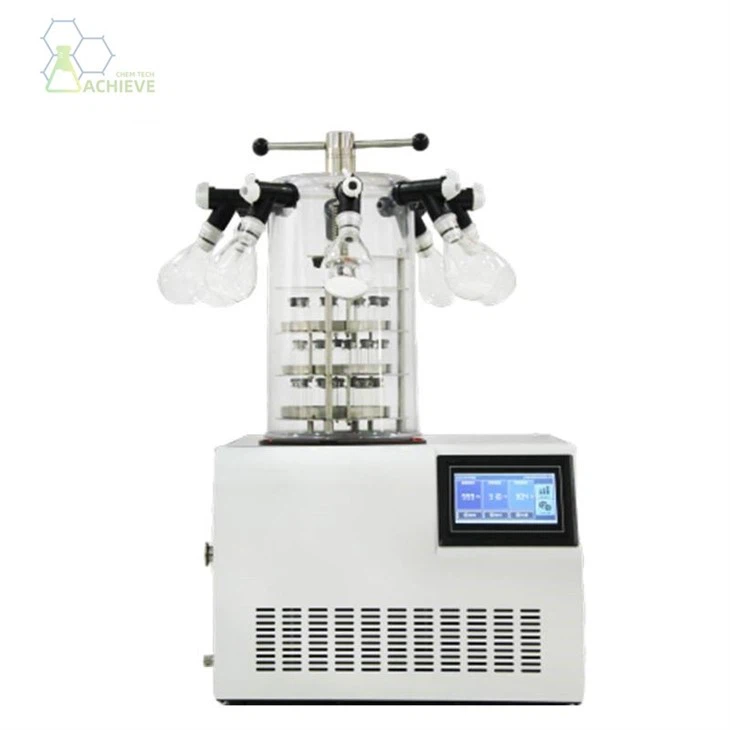
Vacuum Freeze Dryer Machine
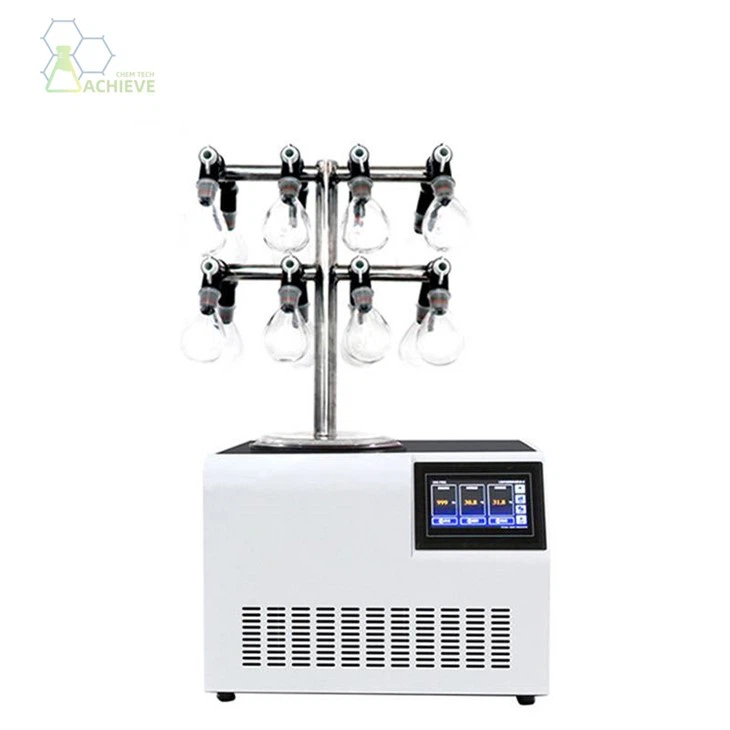
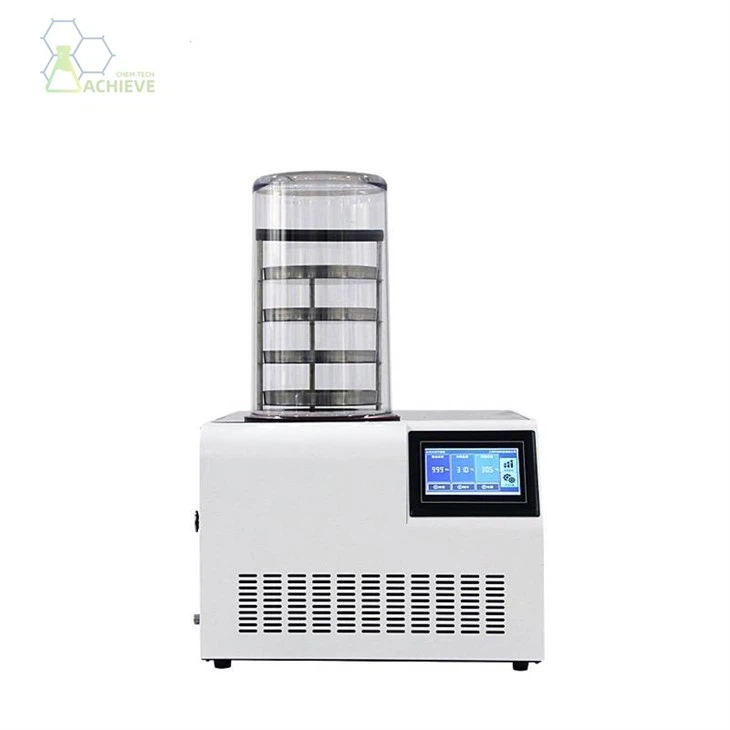
(a)10 series
Lab Scales Desktop(Freeze-dried material 1.5-2KG)
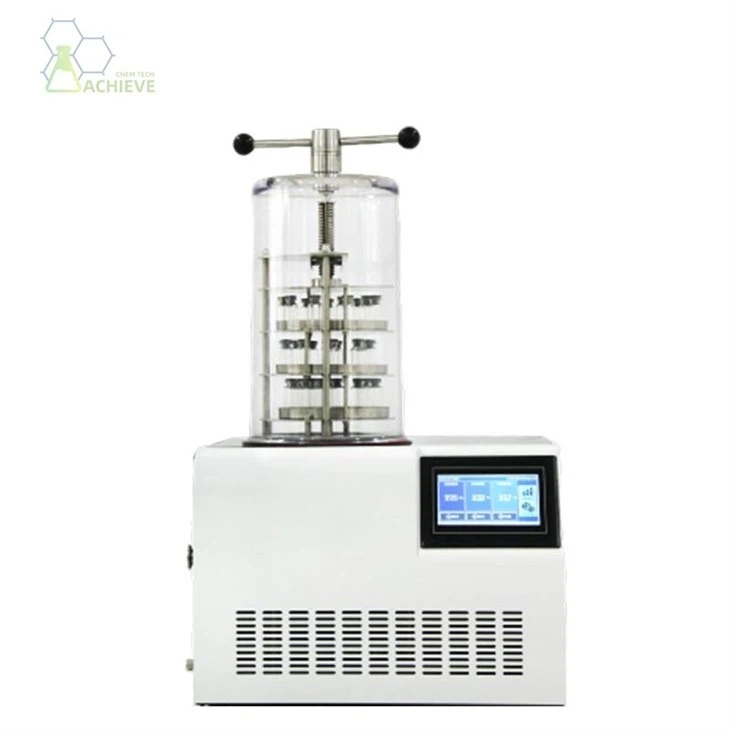
(b)12 series
Lab Scales Vertical(Freeze-dried material 2KG)
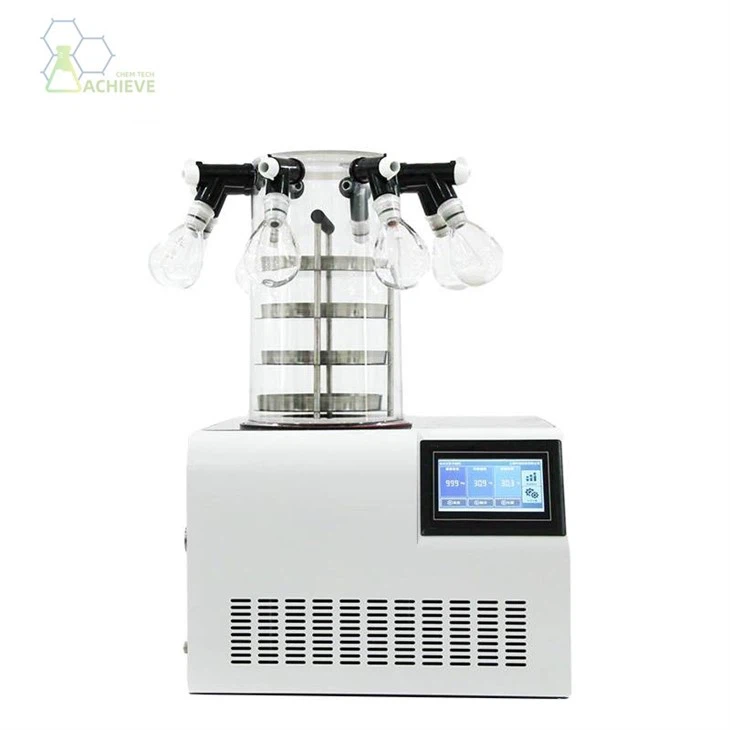
(c)18 series
Scientific Research Scales(Freeze-dried material 3KG)
2.Pilot Freeze Dryer:
0.2m²/0.3m²/0.5m²/1m²/2m²/---Pilot Scales(Freeze-dried material 3KG-20KG)
3.Industrial Freeze Dryer:
5㎡/10㎡/20㎡/30㎡/50㎡/100㎡/200㎡/300㎡(Freeze-dried Weight 5T~60T)
4.Customization: set up the specifications you need
(a)Freeze-dried Area
(b)Freeze-dried Weight
(c)Freeze-dried Material
(d)Interlayer Quantity/Size
(e)Cold Trap Temperature
Description
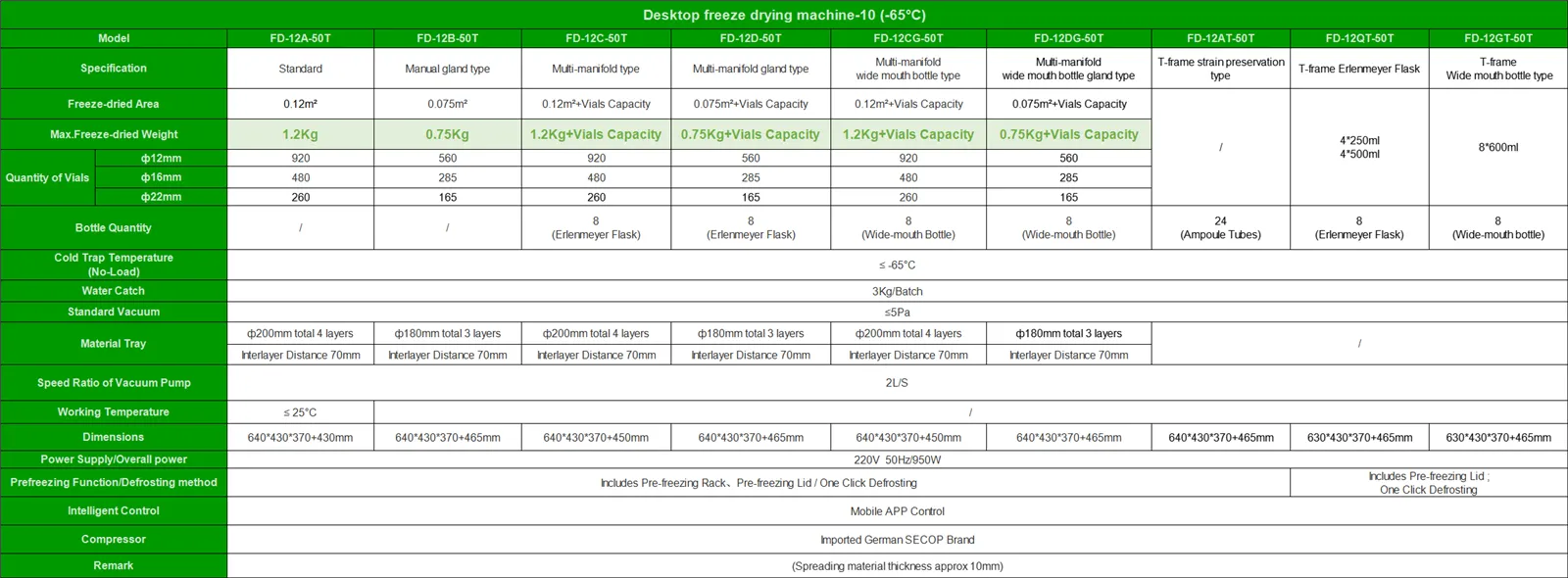
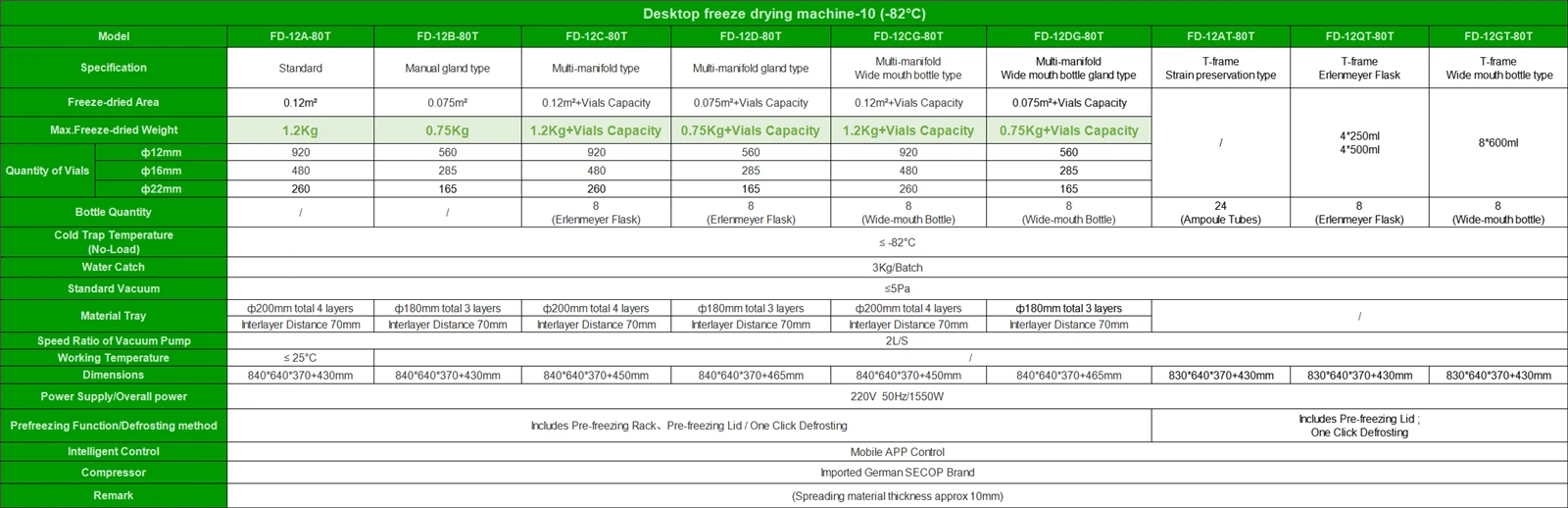
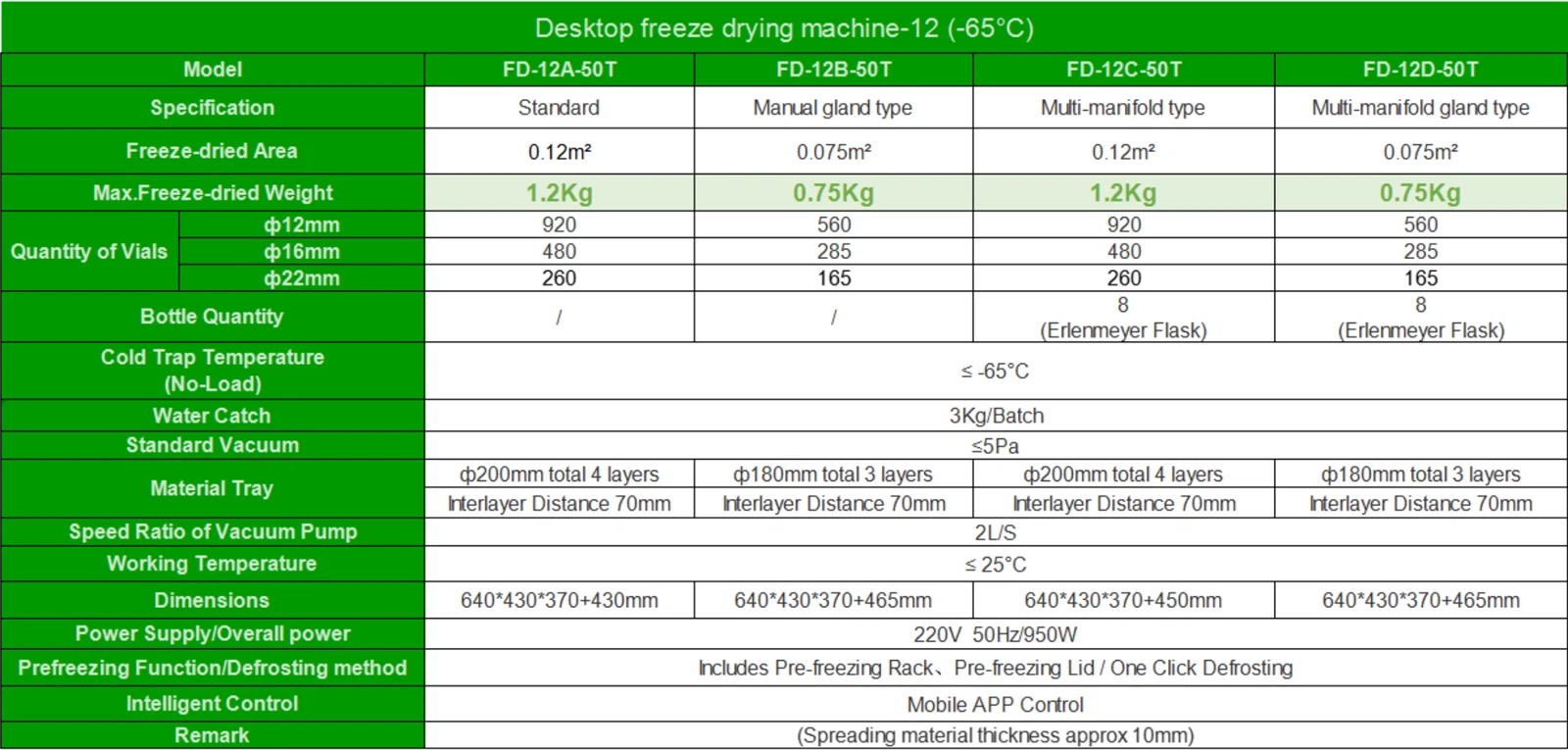
Technical Parameters
Vacuum freeze dryer machine is an advanced drying equipment, whose working principle is based on the combination of vacuum and freezing technology. Firstly, under vacuum conditions, the material is frozen below the freezing point, causing the moisture contained in it to form ice crystals. Subsequently, these frozen materials are transferred to a vacuum drying chamber for drying. During the drying process, the temperature of the material is strictly controlled to ensure it is maintained below the freezing temperature, thereby promoting the rapid sublimation of water from the ice crystal state to water vapor, which is discharged from the system under vacuum environment.

We provide Vacuum freeze dryer machine, please refer to the following website for detailed specifications and product information.
Product: https://www.achievechem.com/freeze-dryer/vacuum-freeze-dryer-machine.html
Product Structures & Models
10 Series Laboratory Freeze Dryer
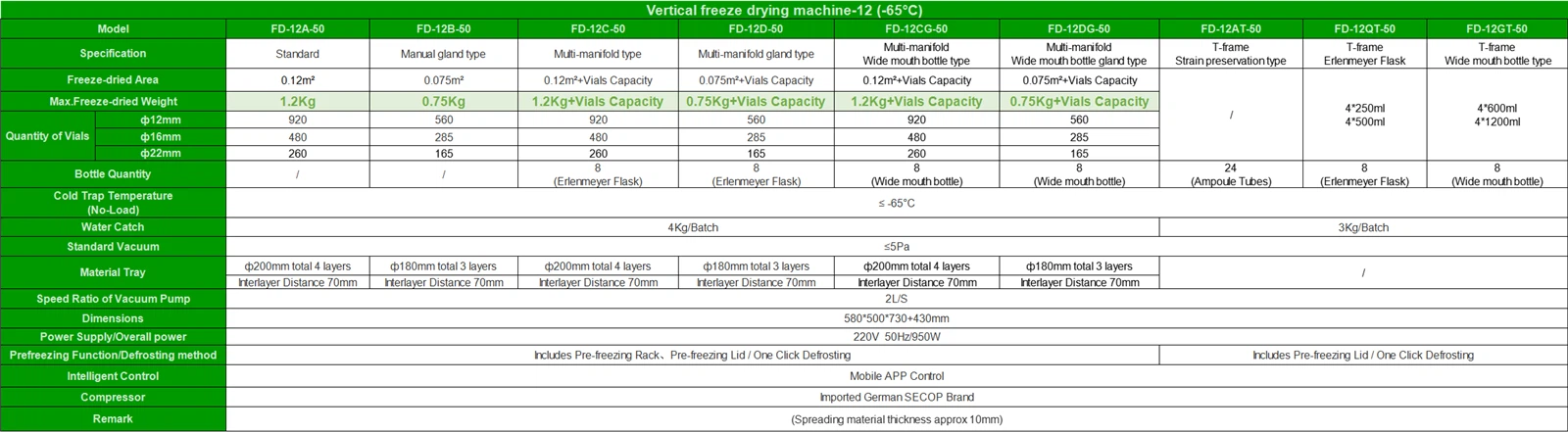
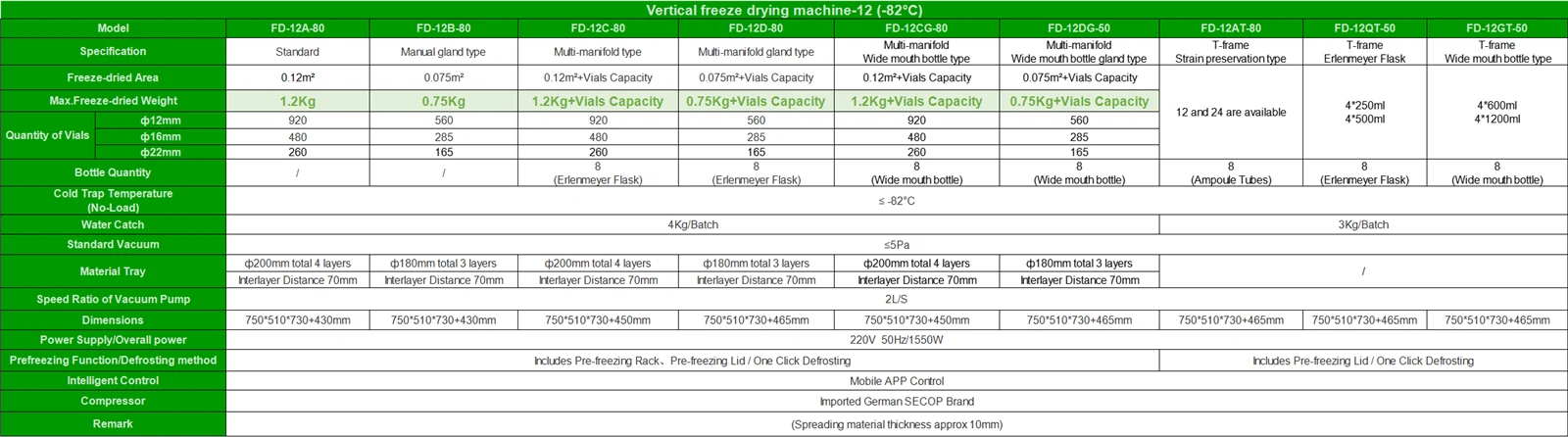
12 Series Laboratory Freeze Dryer

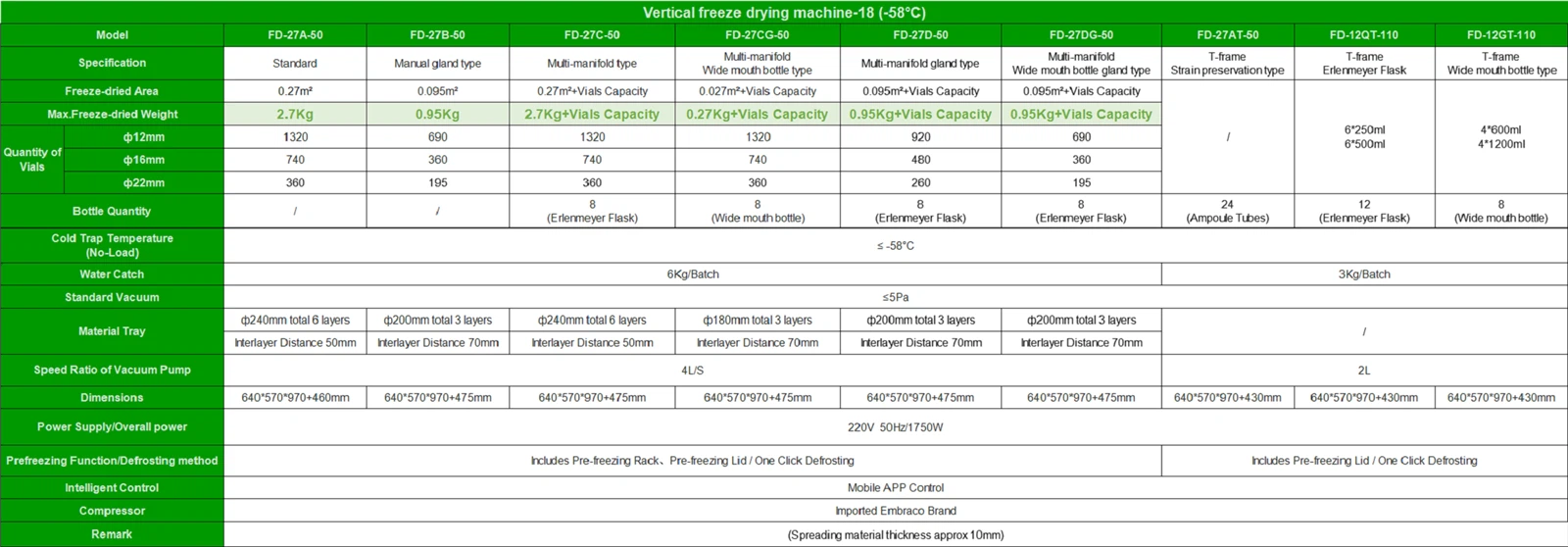
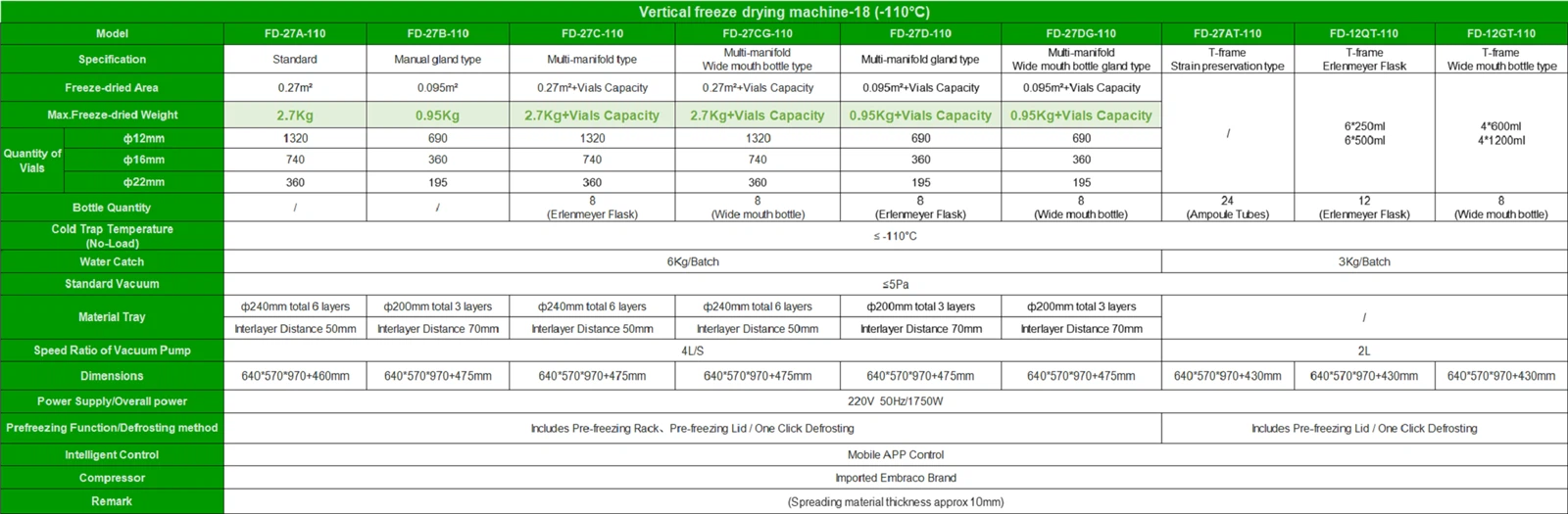
18 Series Laboratory Freeze Dryer

Products Development


Applications
In the field of nutritional & health products
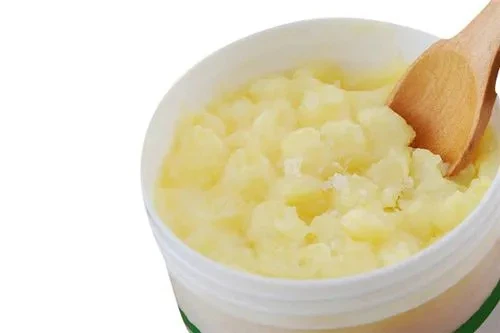
Vacuum freeze dryer machine technology, with its unique advantages, provides an ideal solution for drying precious nutritional products such as royal jelly and ginseng, thereby ensuring the pure and natural quality of these products.
Royal jelly, a viscous secretion produced by worker honeybees, is revered for its dense nutrient profile, including proteins, vitamins (B-complex), minerals, fatty acids, and unique bioactive compounds like 10-hydroxy-2-decenoic acid (10-HDA). However, its inherent thermal sensitivity poses a significant challenge in preservation, as conventional drying methods (e.g., heat drying, spray drying) often degrade its nutritional and pharmacological properties.
Limitations of Traditional Drying Methods
High temperatures employed in traditional techniques induce protein denaturation, enzymatic inactivation, and oxidative degradation of heat-labile components, such as vitamins and polyphenols. These processes not only reduce the nutritional value of royal jelly but also compromise its functional benefits, including antioxidant, anti-inflammatory, and immunomodulatory activities.
Advantages of Vacuum Freeze-Drying
Vacuum freeze-drying, or lyophilization, offers a revolutionary solution by operating under extremely low temperatures (typically −40 °C to −80 °C) and high vacuum conditions (0.1–1 mbar). This technology facilitates the direct sublimation of ice (solid water) into vapor, bypassing the liquid phase and thus avoiding thermal stress. Key benefits include:
- Nutrient Retention: Preserves 90–95% of heat-sensitive vitamins, amino acids, and bioactive peptides.
- Structural Stability: Maintains the molecular integrity of 10-HDA and royalactin, ensuring prolonged biological activity.
- Rehydration Efficiency: Produces a porous, lightweight powder that rapidly reconstitutes in water, retaining sensory and functional attributes.
- Extended Shelf Life: The low moisture content (<5%) inhibits microbial growth and enzymatic reactions, enabling storage at room temperature without refrigeration.
Studies have demonstrated that freeze-dried royal jelly retains higher levels of 10-HDA (up to 6.2 mg/g) compared to heat-dried samples (≤2.1 mg/g). Additionally, in vitro assays confirm that freeze-dried extracts exhibit superior antioxidant capacity (e.g., DPPH radical scavenging) and cytokine-modulating effects in immune cells.
|
|
|

Ginseng (Panax ginseng), a cornerstone of traditional Chinese medicine (TCM), is prized for its complex bioactive profile, including ginsenosides (saponins), polysaccharides, polyphenols, and trace elements (e.g., germanium, selenium). These compounds synergistically contribute to its adaptogenic, anti-inflammatory, neuroprotective, and immunomodulatory effects. However, the efficacy and quality of ginseng products are highly dependent on drying methods, as improper processing can degrade its active constituents and alter its pharmacological properties.
Challenges of Conventional Drying Methods
Traditional techniques like sun-drying, hot-air drying, or oven drying expose ginseng to elevated temperatures (40–80 °C), leading to:
- Thermal Degradation: Ginsenosides (e.g., Rb1, Rg1) undergo hydrolysis or isomerization, reducing their bioavailability.
- Oxidative Losses: Polysaccharides and polyphenols are susceptible to oxidation, diminishing antioxidant and immunomodulatory activities.
- Structural Damage: Shrinkage, hardening, and cell wall collapse compromise rehydration efficiency and active ingredient release.
Advantages of Vacuum Freeze-Drying (Lyophilization)
Vacuum freeze-drying operates under ultralow temperatures (−40 °C to −80 °C) and high vacuum (0.1–1 mbar), enabling the sublimation of ice directly from frozen ginseng tissue. This method offers distinct advantages:
- Preservation of Bioactive Compounds:
Retains 90–95% of ginsenosides (e.g., up to 8.2 mg/g total ginsenosides in freeze-dried roots vs. 5.1 mg/g in air-dried samples).
Maintains polysaccharide integrity, ensuring sustained immune-stimulatory effects.
Minimizes losses of volatile oils and trace elements.
- Structural and Morphological Integrity:
Preserves cellular architecture, preventing shrinkage and maintaining a porous, sponge-like structure.
Facilitates rapid rehydration and efficient release of active ingredients during extraction or consumption.
- Enhanced Shelf Life and Stability:
Reduces moisture content to <5%, inhibiting microbial growth and enzymatic degradation.
Enables long-term storage at room temperature without refrigeration, retaining pharmacological efficacy for 2–3 years.
Ginsenoside Retention
HPLC analyses confirm that freeze-dried ginseng exhibits higher levels of rare ginsenosides (e.g., Rg3, Rh2) compared to heat-dried counterparts, which are critical for anticancer and neuroprotective activities.
Antioxidant Capacity
DPPH and ABTS assays demonstrate that freeze-dried extracts retain 85–90% of their radical-scavenging activity, whereas air-dried samples show a 40–60% decline.
Immunomodulatory Effects
In vitro studies on macrophages and lymphocytes reveal that freeze-dried ginseng polysaccharides enhance cytokine production (e.g., TNF-α, IL-6) more effectively than conventionally dried samples.
Vacuum freeze-drying technology represents a paradigm shift in ginseng processing, aligning TCM principles with modern biotechnological rigor. By safeguarding its bioactive components and structural integrity, this method ensures that ginseng's therapeutic benefits-ranging from anti-fatigue to anti-aging-are fully harnessed. Its adoption not only elevates product quality but also supports sustainable utilization of this medicinal herb, bridging ancient wisdom with contemporary innovation.
This approach underscores the importance of precision drying in herbal medicine, reinforcing freeze-drying as the gold standard for preserving the efficacy of botanical therapeutics.
Applied in the preparation of nanomaterials
Vacuum freze-drying machines do play an indispensable and important role in the preparation of nanomaterials. This advanced drying equipment reduces the pressure of the surrounding environment of the material, allowing the moisture in the material to directly sublimate into water vapor at low temperatures, thereby achieving drying of the material. This drying method can preserve the original structure and properties of materials to the greatest extent, especially suitable for materials that are sensitive to heat or prone to oxidation, and nanomaterials belong to this category.

Pre treatment can be performed on precursor solutions of nanomaterials. During the freezing stage, water in the solution forms ice crystals, while nanomaterial particles are fixed between the ice crystals. Subsequently, under vacuum conditions, ice crystals sublimate directly into water vapor and are discharged, leaving behind uniformly dispersed nanomaterials. This process avoids the aggregation and deformation of nanomaterials during the drying process, ensuring the uniformity and stability of the nanomaterials.
It can be combined with other nanomaterial preparation technologies to form composite processes. For example, by combining vacuum freeze-drying with techniques such as chemical vapor deposition and physical vapor deposition, nanomaterials with special morphology and structure can be prepared. This composite process can not only improve the performance of nanomaterials, but also expand their application fields.
It also plays an important role in the post-treatment of nanomaterials. For example, in the process of surface modification and coating of nanomaterials, vacuum freeze-drying machines can provide a low-temperature and vacuum environment to prevent oxidation or aggregation of nanomaterials during the processing.
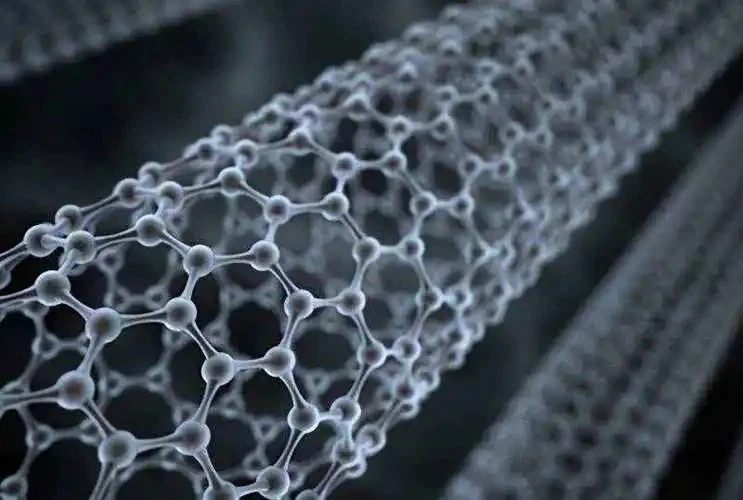
Overall, vacuum freeze dryer machine have played a crucial role in the preparation of nanomaterials. It can not only ensure the uniformity and stability of nanomaterials, but also combine with other preparation techniques to form composite processes, improve the performance and application fields of nanomaterials. With the continuous development of nanotechnology, the application of vacuum freeze-drying machines in the preparation of nanomaterials will also become increasingly widespread.
Structurally divided
A. Ordinary type B. multi manifold type C.pressure cover type
Bell shaped freze-drying machine
The freze-drying chamber and cold trap are separate upper and lower structures, and the freeze-drying chamber does not have pre freezing function. This type of freze-drying machine requires manual operation when entering the drying process after the pre freezing of the material is completed. Most experimental freze-drying machines are bell jar type, which has a simple structure and low cost. Most freze-drying chambers use transparent organic glass covers for easy observation of the freze-drying process of materials.
In situ freze drer
The freze drying chamber and the cold trap are two independent chambers, and the shelf in the freze drying chamber has a refrigeration function. After the material is placed in the freze drying chamber, the pre freezing and drying process of the material does not require manual operation. The production process of this type of freze-drying machine is complex and the manufacturing cost is high. However, the in-situ freze-drying machine is the development direction of freze-drying machines and an ideal choice for exploring freze-drying processes. It is particularly suitable for freze-drying pharmaceuticals, biological products, and other special products.
Functionally divided
Ordinary shelf type
Materials are loose in material trays, suitable for freze-drying of food, Chinese herbal medicine, and powder materials.
Type with capping device
Suitable for drying penicillin bottled materials. When preparing for freeze-drying, the materials are divided into penicillin bottles as needed, and the bottle cap is covered before freeze-drying. After drying, the capping mechanism is operated to press the bottle cap tightly, which can avoid secondary pollution and re adsorption of moisture, and is easy to store for a long time.
Multi manifold type
A flask is attached to the outside of the drying chamber to dry the material frozen on the inner wall of the flask. At this time, the flask is connected to the manifold outside the drying oven as a container. The material in the flask is heated at room temperature and can be removed or added to the flask as needed through a multi manifold switch device without stopping the machine.
Pre freezing function type
During the material pre freezing process, the cold trap serves as a pre freezing chamber to pre freeze the material. During the drying process, the cold trap acts as a water trap to capture the water overflowing from the material. The freeze-drying machine with pre freezing function completes the pre freezing and drying of materials during the freeze-drying process. The freeze-drying machine has high efficiency and saves the cost of low-temperature refrigerators.
Modify freeze-drying program data
Carefully read the operation manual or instruction manual of the device to understand the basic structure of the device, working principle, and the function of the buttons and indicators on the control panel.
Familiar with the operation process of the equipment, including startup, operation and shutdown steps.
Open the device control panel to go to the Settings screen. This can usually be done via a menu button on the touch screen or a function key on the digital control panel.
In the Settings screen, find the options related to the freeze-drying program, such as "freeze-drying program Settings", "Parameter Settings", etc.
Find the corresponding setting item according to the lyophilization program data that needs to be modified, such as pre-freezing temperature, sublimation stage temperature, analytical drying temperature, vacuum degree, etc.
Enter new parameter values using the number keys and arrow keys on the touch screen or digital control panel. During the input process, pay attention to the unit and range of parameters to ensure that the input value is within the range allowed by the device.
If the device supports multiple freeze-drying program Settings, you can modify the parameter values of each segment in the same way.
After modifying all the required parameters, find the "Save" or "Confirm" button to save the modified lyophilized program data to the device.
Exit the setting screen to return to the main menu or operation screen.
Hot Tags: vacuum freeze dryer machine, China vacuum freeze dryer machine manufacturers, suppliers, factory
Previous
Medium Freeze DryerNext
Kitchen Freeze DryerSend Inquiry


