


The Straight Cool Condenser
Nov 01, 2024
Leave a message
In the ever-evolving world of refrigeration technology, the straight cool condenser stands as a testament to both innovation and efficiency. This component, which is crucial in the operation of refrigerators, air conditioners, and various other cooling systems, has undergone significant advancements over the years.
This article delves into the intricacies of the straight cool condenser, exploring its design, functionality, benefits, and the role it plays in modern cooling systems. With a focus on its unique features and the technological advancements that have shaped its evolution, this comprehensive guide aims to provide a thorough understanding of this essential piece of equipment.
Introduction
|
|
A condenser is a heat exchanger used in refrigeration and air conditioning systems to convert refrigerant from its gaseous state back to a liquid. This process is vital for the continuous operation of the cooling cycle. The straight cool condenser, as its name implies, features a straight design that optimizes heat transfer and enhances overall system efficiency.
Unlike other condenser designs, such as the serpentine or coil types, the straight cool condenser offers a more streamlined and compact footprint. This design not only makes it easier to install and maintain but also contributes to improved heat dissipation. By reducing the complexity of the heat exchange process, the straight cool condenser minimizes energy consumption and enhances the overall performance of the cooling system. |

Design and Construction
The design of the straight cool condenser is both innovative and practical. It typically consists of a series of parallel tubes or plates through which refrigerant flows. These tubes or plates are surrounded by a network of fins that increase the surface area for heat transfer. The refrigerant, which enters the condenser in a gaseous state, releases its heat to the surrounding air or water as it condenses back into a liquid.
The materials used in the construction of the straight cool condenser are carefully selected to ensure durability and efficiency. High-grade metals, such as copper and aluminum, are commonly used due to their excellent thermal conductivity and corrosion resistance. These materials allow the condenser to effectively transfer heat while resisting degradation over time.
The fins on the condenser are often made of aluminum or a similar lightweight, corrosion-resistant material. These fins are precisely engineered to maximize the surface area for heat transfer while minimizing air resistance. This balance between heat transfer and air flow is crucial for the efficient operation of the condenser.
Functionality and Operation
|
The functionality of the straight cool condenser is based on the principles of heat transfer and thermodynamics. As refrigerant flows through the tubes or plates, it releases its latent heat to the surrounding environment. This heat is then transferred to the fins and dispersed into the air or water flowing over the condenser.
In air-cooled systems, a fan is typically used to circulate air over the fins, enhancing heat transfer and cooling the refrigerant more efficiently. In water-cooled systems, the fins are submerged in a water bath, and the heat is transferred to the water, which is then circulated through a cooling tower or other heat rejection system.
The temperature and pressure of the refrigerant within the condenser are carefully controlled to ensure optimal performance. As the refrigerant condenses, its pressure increases, and its temperature rises slightly. This increase in temperature and pressure is necessary to drive the refrigerant through the rest of the cooling system. |
|
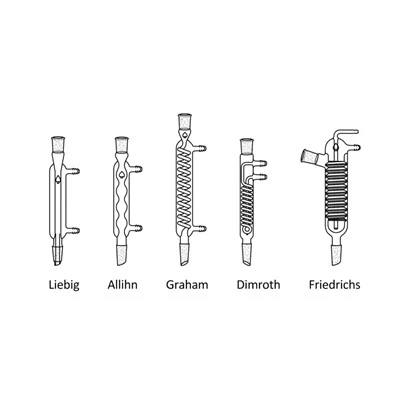
Benefits of the Straight Cool Condenser
The straight cool condenser offers several benefits that make it an ideal choice for modern cooling systems. These benefits include:
◆ Improved Heat Transfer Efficiency: The streamlined design of the straight cool condenser optimizes heat transfer, allowing for more efficient cooling. This efficiency translates into reduced energy consumption and lower operating costs.
◆ Compact Size and Ease of Installation: The compact footprint of the straight cool condenser makes it easier to install in a variety of spaces. This design also simplifies maintenance and repair tasks, reducing downtime and extending the lifespan of the equipment.
◆ Durability and Reliability: The high-grade materials used in the construction of the straight cool condenser ensure durability and reliability. These materials resist corrosion and degradation, allowing the condenser to maintain optimal performance over time.
◆ Environmental Benefits: The efficient heat transfer and reduced energy consumption of the straight cool condenser contribute to lower greenhouse gas emissions. This makes it an environmentally friendly choice for modern cooling systems.
◆ Noise Reduction: The design of the straight cool condenser often includes noise-reducing features, such as insulated housing and quiet-running fans. These features contribute to a quieter operating environment, making the condenser suitable for use in noise-sensitive areas.
Technological Advancements
|
|
The evolution of the straight cool condenser has been driven by technological advancements in materials science, heat transfer theory, and manufacturing processes. These advancements have allowed for the development of more efficient, durable, and cost-effective condensers.
One of the most significant advancements in recent years has been the use of high-efficiency fins and tubes. These fins and tubes are designed to maximize heat transfer while minimizing pressure drop and flow resistance. This results in improved performance and reduced energy consumption.
Another advancement is the use of variable-speed fans and pumps. These components allow the condenser to adjust its cooling capacity based on the demand of the cooling system. This flexibility reduces energy waste and enhances overall system efficiency.
Advancements in refrigerant technology have also played a role in the evolution of the straight cool condenser. New refrigerants with lower global warming potential (GWP) and higher energy efficiency have been developed in response to environmental concerns. These refrigerants require less energy to operate and have a smaller impact on the environment. |

Conclusion
The straight cool condenser is a vital component in modern cooling systems, providing efficient heat transfer and contributing to the overall performance of the system. Its streamlined design, durability, and environmental benefits make it an ideal choice for a wide range of applications. As technological advancements continue to shape the future of refrigeration and air conditioning, the straight cool condenser will play an increasingly important role in meeting the demands of a sustainable and energy-efficient world.
By understanding the design, functionality, and benefits of the straight cool condenser, as well as the challenges and future developments facing this technology, we can better appreciate its role in modern cooling systems. With continued innovation and advancement, the straight cool condenser will continue to evolve, providing more efficient, durable, and environmentally friendly cooling solutions for the future.