


How to Use a Jacketed Glass Reactor
Dec 07, 2024
Leave a message
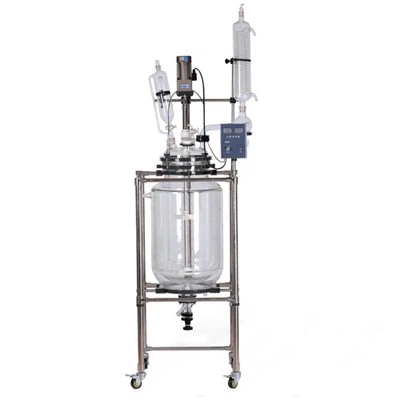
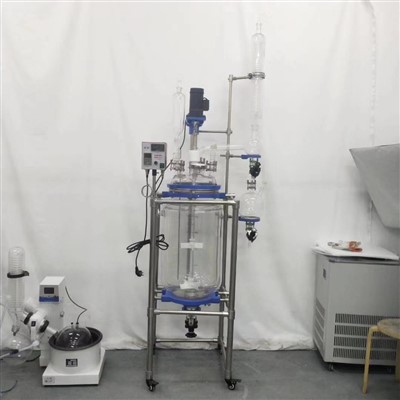
Before delving into the steps for using a jacketed glass reactor, it is crucial to understand its basic structure and function. A jacketed glass reactor consists of an inner glass chamber where the chemical reaction takes place and an outer jacket that surrounds the inner chamber. The space between the inner and outer chambers, known as the jacket, serves as a conduit for a heating or cooling medium, such as water or oil. This medium is circulated through the jacket to maintain the desired temperature within the reactor.
The reactor also includes various components such as a stirrer, a reflux condenser, a pressure relief valve, and a temperature controller. The stirrer ensures that the reaction mixture is evenly mixed, while the reflux condenser helps in condensing volatile components that may escape during the reaction. The pressure relief valve prevents over-pressurization of the reactor, and the temperature controller regulates the temperature of the heating or cooling medium.
Preparation Before Using the Jacketed Glass Reactor
Before using the jacketed glass reactor, several preparations must be made to ensure safe and efficient operation.
◆ Safety Checks: Always conduct a thorough safety check before starting any experiment. Ensure that all connections are tight and secure, and that there are no leaks in the reactor. Check the electrical connections and ensure that the reactor is properly grounded. Wear appropriate safety gear, such as gloves, goggles, and a lab coat, to protect yourself from potential hazards.
◆ Cleaning and Sterilization: Clean the reactor thoroughly to remove any residues from previous experiments. Use a suitable detergent and rinse with distilled water. If sterile conditions are required, sterilize the reactor using an autoclave or another suitable method.
◆ Preparation of Reaction Mixture: Prepare the reaction mixture according to the specific recipe or experimental protocol. Ensure that all components are accurately measured and mixed in the correct proportions.

We provide jacketed glass reactor, please refer to the following website for detailed specifications and product information.
Product: https://www.achievechem.com/chemical-equipment/jacketed-glass-reactor.html
Setting Up the Jacketed Glass Reactor
Once the preparations are complete, you can begin setting up the jacketed glass reactor.
◆ Assembly: Assemble the reactor according to the manufacturer's instructions. Connect the stirrer, reflux condenser, pressure relief valve, and temperature controller to the reactor. Ensure that all connections are tight and secure.
◆ Filling the Jacket: Fill the jacket with the appropriate heating or cooling medium. Depending on the reaction conditions, you may use water, oil, or another suitable medium. Make sure that the medium is clean and free of contaminants.
◆ Connecting the Temperature Controller: Connect the temperature controller to the reactor and set the desired temperature. The temperature controller will regulate the flow of the heating or cooling medium through the jacket to maintain the set temperature.
◆ Connecting the Stirrer: Connect the stirrer to the reactor and set the desired stirring speed. The stirring speed should be sufficient to ensure that the reaction mixture is evenly mixed, but not too fast to cause splashing or foaming.
Starting the Reaction
|
Once the reactor is set up, you can begin the reaction. ◆ Charging the Reactor: Carefully pour the prepared reaction mixture into the reactor. Ensure that the mixture does not splash or spill onto the reactor walls or connections. ◆ Starting the Stirrer: Turn on the stirrer and adjust the stirring speed to the desired level. Monitor the mixture to ensure that it is evenly mixed. ◆ Starting the Heating or Cooling: Turn on the temperature controller and set the desired temperature. The heating or cooling medium will begin to circulate through the jacket, and the temperature inside the reactor will gradually change to the set point. ◆ Monitoring the Reaction: Monitor the reaction closely to ensure that it is proceeding as expected. Keep an eye on the temperature, stirring speed, and any changes in the appearance or behavior of the reaction mixture. If any unusual conditions arise, such as an unexpected temperature spike or foaming, take immediate action to address the issue. |
|
Maintaining Optimal Reactor Performance
To ensure optimal performance of the jacketed glass reactor, several practices should be followed during the reaction.
◆ Temperature Control: Maintaining the correct temperature is crucial for the success of the reaction. Use the temperature controller to regulate the heating or cooling medium and keep the reactor within the desired temperature range. If the temperature fluctuates, adjust the controller settings accordingly.
◆ Stirring: Ensure that the reaction mixture is evenly mixed by maintaining an appropriate stirring speed. If the stirring speed is too slow, the mixture may not be adequately mixed, leading to inefficient reactions. If the stirring speed is too fast, it may cause splashing or foaming, which can disrupt the reaction.
◆ Pressure Relief: Monitor the pressure inside the reactor and ensure that it does not exceed the safe operating pressure. If the pressure rises too high, the pressure relief valve will open to release excess pressure and prevent the reactor from rupturing.
◆ Sampling: If necessary, take samples of the reaction mixture at regular intervals to monitor the progress of the reaction. Ensure that the sampling process is safe and does not compromise the integrity of the reactor.
Post-Reaction Procedures
|
|
Once the reaction is complete, several post-reaction procedures must be followed to ensure safe and efficient disposal of the reaction mixture and cleaning of the reactor. ◆ Cooling: Allow the reactor to cool to a safe temperature before attempting to open it. This can be done by turning off the heating or cooling medium and allowing the reactor to cool naturally. ◆ Discharging the Reaction Mixture: Carefully discharge the reaction mixture into a suitable container for disposal. Ensure that the container is properly labeled and stored in a safe location. ◆ Cleaning the Reactor: Clean the reactor thoroughly to remove any residues from the reaction. Use a suitable detergent and rinse with distilled water. If sterile conditions are required, sterilize the reactor using an autoclave or another suitable method. ◆ Inspection and Maintenance: Inspect the reactor for any signs of damage or wear. Replace any worn or damaged parts as necessary. Regular maintenance of the reactor will help ensure its long-term performance and reliability. |
Conclusion
Using a jacketed glass reactor can be a complex process, but with proper setup, operation, and maintenance, it can be a powerful tool for chemical synthesis and process development. By following the tips and guidelines outlined in this guide, you can ensure that your reactor operates safely and effectively, allowing you to achieve successful outcomes in your experiments. Always remember to prioritize safety and to consult with your supervisor or safety manual if you have any questions or concerns. With practice and experience, you'll become more confident in your ability to use a jacketed glass reactor and will be able to tackle more complex reactions and processes with ease.