


high speed tablet press machine
Nov 15, 2024
Leave a message
The high-speed tablet press machine is an indispensable piece of equipment in the pharmaceutical industry, and its applications extend into various other sectors such as food processing, chemicals, electronics, and more. This versatile machine is designed to compress granular materials into tablets of desired shapes and sizes, facilitating large-scale production with precision and efficiency. This article delves into the intricacies of high-speed tablet press machines, exploring their design, workings, benefits, and the crucial role they play in modern manufacturing processes.
High-speed tablet press machines are sophisticated pieces of machinery that utilize mechanical force and pressure to compress powder or granular materials into tablets. These machines are characterized by their high output capacity, precision, and adaptability to different production requirements. They are available in various models and specifications, catering to the diverse needs of manufacturers across industries.
Design and Specifications
|
|
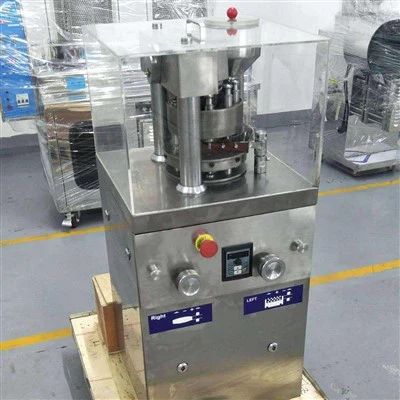
The design of a high-speed tablet press machine typically includes a double-press system with two sets of feeding devices and wheels. The turntable, which rotates at high speeds, can accommodate multiple sets of dies, allowing for the simultaneous production of numerous tablets. For instance, some models can hold up to 33 sets of dies, enabling the machine to produce 66 tablets per revolution.
The specifications of high-speed tablet press machines vary, depending on the manufacturer and intended use. Key parameters include maximum pressure capacity, production capacity, die size, and filling depth. Some advanced models, such as the HSZP series, offer a range of specifications (e.g., HSZP-35, HSZP-37, HSZP-43, etc.), allowing customers to select the most suitable model based on their production needs and tablet size requirements. |
Working Principle
The working principle of a high-speed tablet press machine involves several critical steps, including filling, quantitative adjustment, pre-compression, main compression, and ejection. Here's a detailed breakdown of these steps:
● Filling: The powder or granular material is fed into the die cavity through a forced feeder. The filling depth can be adjusted to control the amount of material in each tablet.
● Quantitative Adjustment: After filling, a scraper ensures that the excess material is removed, leaving a consistent amount in each die cavity. This step guarantees uniform tablet weight and thickness.
● Pre-Compression: The lower punch moves down, compressing the material slightly. This pre-compression step helps to consolidate the material and prepare it for the main compression phase.
● Main Compression: The upper and lower punches apply pressure to the material, compressing it into the desired shape and size. The pressure applied can be adjusted to achieve the desired tablet hardness and density.
● Ejection: Once the tablet is formed, the punches are withdrawn, and the ejector pushes the tablet out of the die cavity, ready for collection and packaging.
Key Features and Benefits
High-speed tablet press machines offer numerous benefits that make them indispensable in modern manufacturing processes. Some of these key features and benefits include:
● High Production Capacity: With the ability to produce tens of thousands of tablets per hour, high-speed tablet press machines are ideal for large-scale production. This high capacity ensures that manufacturers can meet demand efficiently and cost-effectively.
● Precision and Uniformity: The machines offer precise control over tablet weight, thickness, and hardness. This precision ensures that each tablet meets the required specifications, enhancing product quality and consistency.
● Adaptability: High-speed tablet press machines can be adapted to produce a variety of tablet shapes and sizes. This adaptability makes them versatile for different applications and product lines.
● Automation: Many models are equipped with advanced automation features, such as filling and thickness displays, average pressure displays, overload protection, and emergency braking. These features enhance safety, reduce downtime, and improve overall efficiency.
● Compliance with GMP Standards: The machines are designed to comply with Good Manufacturing Practices (GMP) standards. They feature enclosed work areas, transparent windows, and stainless steel components to minimize dust pollution and cross-contamination. This compliance ensures that the produced tablets meet the highest quality standards.

We provide high-speed tablet press machine, please refer to the following website for detailed specifications and product information.
Product: https://www.achievechem.com/tablet-press-machines/rotary-tablet-press-machine.html
Applications in Various Industries
The versatility of high-speed tablet press machines makes them suitable for a wide range of applications across industries:
● Pharmaceutical Industry: In the pharmaceutical industry, high-speed tablet press machines are used to produce tablets for various medications, including vitamins, minerals, and prescription drugs. The machines ensure that the tablets meet the required dosage forms, strengths, and quality standards.
● Food Industry: In the food industry, high-speed tablet press machines are used to produce tablets for nutritional supplements, dietary aids, and convenience foods. These tablets provide a convenient and easy-to-consume form of nutrients and other beneficial ingredients.
● Chemicals Industry: In the chemicals industry, the machines are used to produce tablets for various industrial applications, such as catalysts, adsorbents, and desiccants. These tablets are essential for various chemical processes and reactions.
● Electronics Industry: In the electronics industry, high-speed tablet press machines are used to produce tablets for electronic components, such as resistors and capacitors. These tablets provide a compact and efficient way to incorporate these components into electronic devices.
Maintenance and Operation
To ensure optimal performance and longevity, high-speed tablet press machines require regular maintenance and proper operation. Key maintenance tasks include:
|
● Lubrication: Regular lubrication of moving parts is crucial to prevent wear and tear. Oil cups, oil holes, and friction surfaces should be lubricated before use and periodically throughout operation. ● Cleaning: The machine should be cleaned regularly to remove dust, debris, and residue. This ensures that the machine operates smoothly and produces high-quality tablets. ● Inspection: Regular inspections of the machine's components, including dies, punches, and feeders, are essential to identify and address any potential issues. Proper operation of the machine involves following the manufacturer's instructions and guidelines. Operators should be trained to use the machine safely and effectively, and they should be familiar with its various features and functions. |
|

Conclusion
High-speed tablet press machines are indispensable pieces of equipment in the pharmaceutical and various other industries. Their high production capacity, precision, and adaptability make them ideal for large-scale production of tablets in different shapes and sizes. The machines offer numerous benefits, including high quality and consistency of tablets, compliance with GMP standards, and reduced downtime and maintenance costs. With proper operation and maintenance, high-speed tablet press machines can significantly enhance the efficiency and productivity of manufacturing processes.
In conclusion, the high-speed tablet press machine is a cornerstone of modern manufacturing, playing a crucial role in the production of tablets across various industries. Its sophisticated design and advanced features ensure that manufacturers can meet the ever-growing demand for high-quality tablets efficiently and cost-effectively. As technology continues to advance, we can expect even greater improvements and innovations in high-speed tablet press machines, further enhancing their capabilities and versatility.