


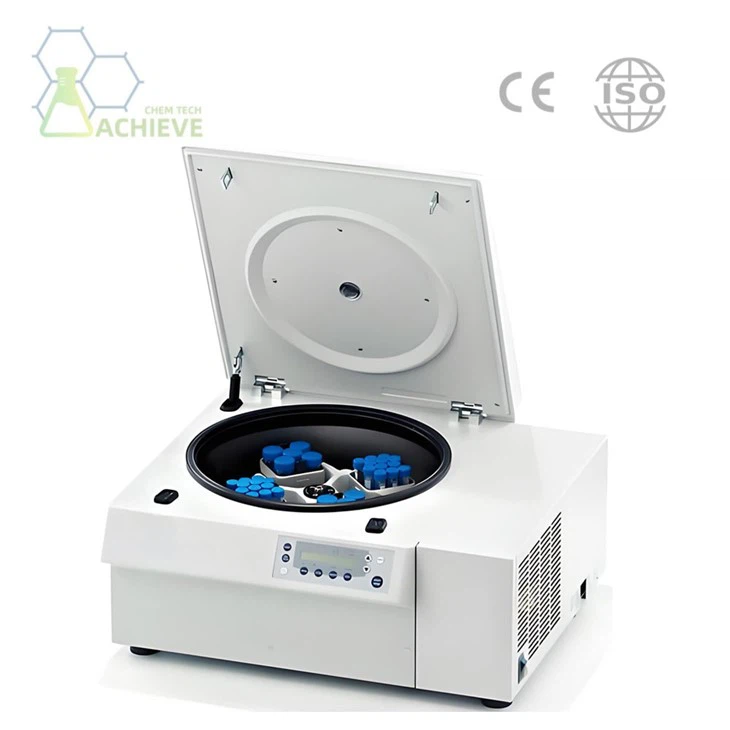

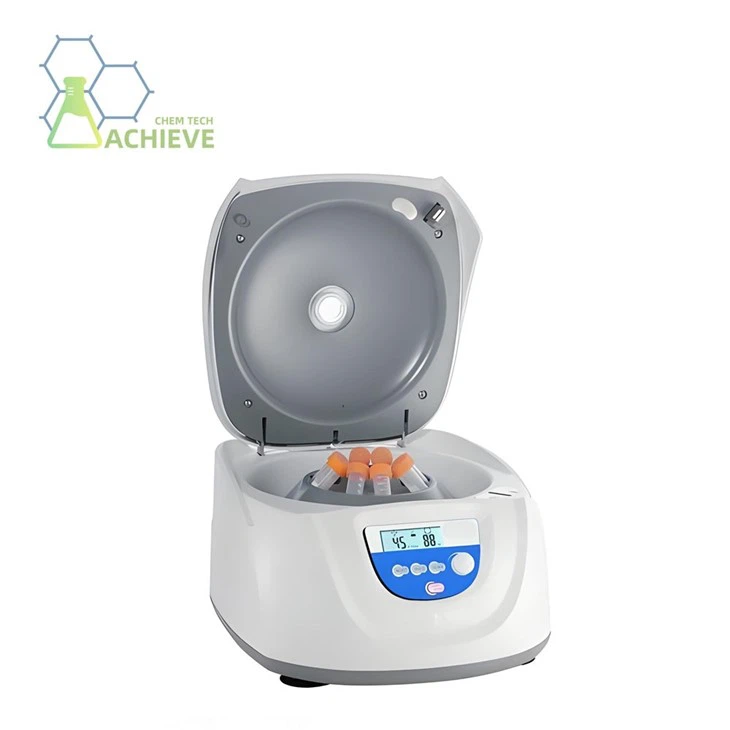
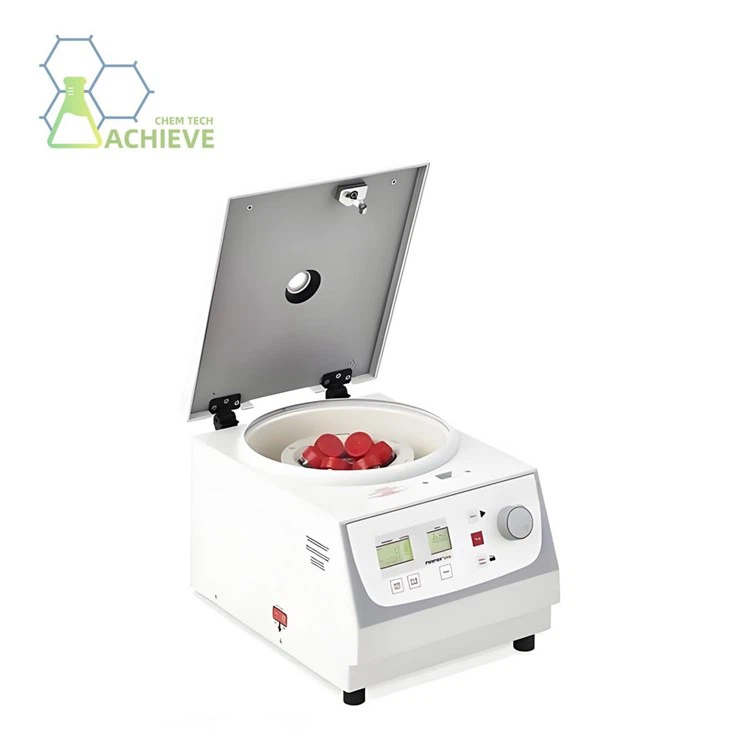


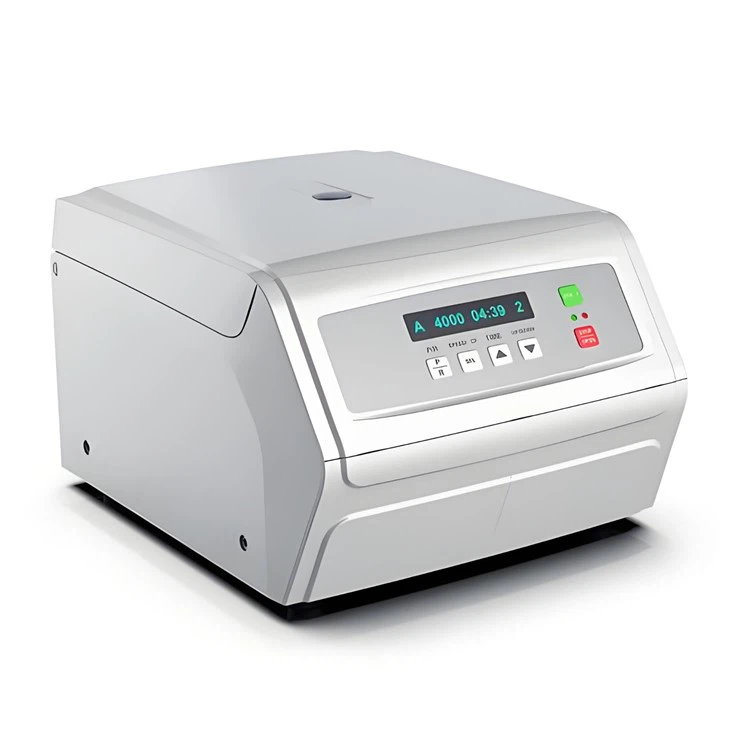


Food Centrifuge Machine
Description
Technical Parameters
As the core equipment of modern food industry, the technological evolution of food centrifuge machine deeply reflects the upgrading path of food processing technology. From simple solid-liquid separation to precise multiphase control, from single machine equipment to intelligent production lines, centrifugal technology is driving the transformation of the food industry towards high efficiency and green direction. In the field of food processing, separation technology is a key step in achieving product purification, clarification, and concentration. Food centrifuge, as an efficient separation device, achieves solid-liquid separation or liquid-liquid separation through centrifugal force, and is widely used in production processes such as dairy products, beverages, vegetable oils, seasonings, etc.
Working principle
Food centrifuge is based on the physical principle of centrifugal force field enhanced separation effect, which generates centrifugal force several times that of gravity through a high-speed rotating drum (usually expressed as separation factor α, α=r Ω²/g, r is the rotation radius, and ω is the angular velocity).
When the material enters the drum, the density difference causes different components to separate into layers:
Solid liquid separation:
Heavy phase particles (such as fibers and fruit pulp) are thrown towards the drum wall, while light phase liquids (such as juice and whey) remain in the center and are discharged through different outlets.
Liquid liquid separation:
Insoluble liquids (such as oil-water mixtures) are separated into layers due to density differences, and efficient separation is achieved through narrow channels with disc groups or tubular structures.
The key parameters include:
Speed:
Typically 5000-15000rpm, corresponding to a separation factor of 1000-10000g
Processing capacity:
0.5-50m ³/h, depending on the drum diameter (0.2-1.5m)
Temperature control:
Some models support process requirements from -20 ℃ to 80 ℃
Equipment classification and technical characteristics
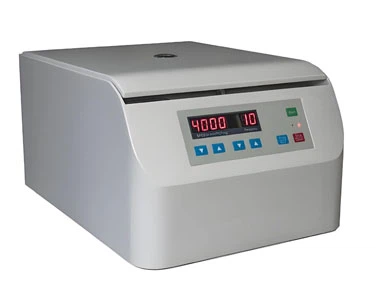
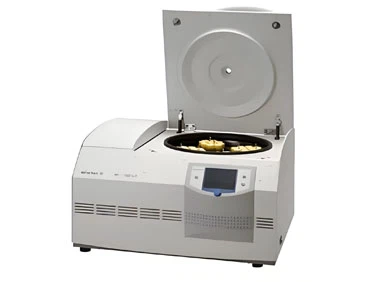

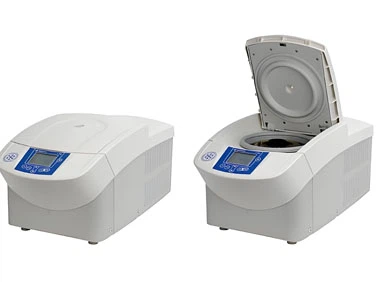
According to structural design and application scenarios, food centrifuge machine are mainly divided into four categories:
Structure: Long tube drum with spiral conveyor on the inner wall
Features: Small processing capacity (0.1-2m ³/h), high separation accuracy (can separate 0.1 μ m particles)
Application: Sterilization of dairy products, extraction of essential oils, clarification of high value-added seasonings
Structure: The conical drum is filled with dozens to hundreds of sets of discs
Features: Moderate processing capacity (1-20m ³/h), automatic slag discharge, convenient CIP cleaning
Application: Fruit juice pulp removal, beer yeast recovery, vegetable oil degumming
Structure: Combination of horizontal drum and spiral conveyor
Features: Large processing capacity (5-50m ³/h), suitable for high solid content materials (with a solid content of up to 30%)
Application: Potato starch separation, bean product residue separation, wastewater treatment
Structure: Closed drum with multiple separation chambers
Features: Batch processing, suitable for multiphase complex mixtures
Application: Purification of fish oil, standardization of dairy products, refinement of food additives
Model

Dairy industry
Skimmed milk separation: Disc food centrifuge machine achieves separation of cream and skim milk, with a processing capacity of 15m ³/h
Whey protein recovery: Tube centrifuge recovers over 95% of whey protein in cheese production
Sterilization filtration: using ultra high speed tube type machine (α>30000g) instead of traditional pasteurization
Juice beverage production
Turbidity clarification: The horizontal screw machine removes pulp fibers, increasing transparency by over 80%
Concentrated fruit juice: pre-treatment with reverse osmosis to increase concentration efficiency by 30%
Essential oil extraction: Citrus peels achieve cold pressed essential oil recovery through a tube machine


Vegetable oil refining
Crude oil purification: disc machine removes mechanical impurities and free fatty acids
Degumming and dehydration: Separation of phospholipids and water by centrifugation, reducing the amount of chemical treatment agents used
Palm oil extraction: temperature controlled centrifugation achieves separation of components with different melting points
Seasoning processing
Soy sauce residue removal: using a horizontal screw machine to process fermented mash and improve product stability
Spice essential oil: Supercritical CO ₂ extraction followed by centrifugal purification
Yeast extract: tube machine separation of cell debris and soluble proteins


Emerging application areas
Cell culture meat: continuous flow separation scaffold material and culture medium
Microalgae protein extraction: high shear centrifuge cracking cell wall
Dairy substitute protein: pea/oat milk centrifugal deslagging
Future Development Trends
Direction of technology integration
Centrifugal membrane separation coupling: improving the retention rate of small molecule substances
Ultrasonic assisted centrifugation: enhancing solid-liquid separation efficiency
Digital Twin Technology: Virtual Simulation Optimization of Process Parameters
Green development
Waste heat recovery system: utilizing exhaust waste heat to preheat the feed
Biodegradable materials: research and development of plant fiber drum components
Zero discharge of wastewater: closed-loop treatment system for reusing separation liquid
Application scenario expansion
Household miniaturization: development of desktop intelligent centrifuge (processing capacity 0.5L/h)
Space food: research and development of microgravity environment adaptation models
Ocean Ranch: Ship mounted centrifuge for ready to eat seafood processing
Standardization process
Food centrifuge machine a separation efficiency evaluation system
Develop modular design standards
Develop a universal control protocol
Typical case analysis
Equipment configuration: GEA tube centrifuge (α=25000g)
Process parameters: feed flow rate of 8m ³/h, protein recovery rate of 98.5%
Economic benefits: Annual increase in protein powder production by 200 tons, profit margin increased by 12%
Equipment combination: Alfa Laval disc type (coarse separation)+horizontal screw type (fine separation)
Improvement effect: Free fatty acid removal rate increased from 75% to 92%
Environmental benefits: COD value of wastewater reduced by 40%
Domestic equipment: Haishen Electromechanical Horizontal Screw Centrifuge (processing capacity 15m ³/h)
Technological breakthrough: adopting variable diameter spiral conveyor, fiber removal rate of 99%
Market feedback: Product shelf life extended by 3 months
Historical development
Industrial centrifuges were born in Europe, for example, in the mid-19th century, there were three legged centrifuges used for textile dehydration and suspended centrifuges used for separating crystalline sugar in sugar factories. These earliest centrifuges were operated intermittently and manually for slag discharge.
Due to the improvement of slag unloading mechanisms, continuous operation centrifuges emerged in the 1930s, and intermittent operation centrifuges also developed due to the implementation of automatic control.
Industrial centrifuges can be divided into three categories based on their structure and separation requirements: filtration centrifuges, settling centrifuges, and separators.
A centrifuge has a cylinder called a drum that rotates at high speed around its own axis, usually driven by an electric motor. After the suspension (or emulsion) is added to the drum, it is quickly driven to rotate at the same speed as the drum, and under the action of centrifugal force, each component is separated and discharged separately. Usually, the higher the drum speed, the better the separation effect.
The working principles of centrifugal separators include centrifugal filtration and centrifugal settling. Centrifugal filtration is the process of generating centrifugal pressure in a suspension under a centrifugal force field, which acts on the filter medium, causing the liquid to pass through the filter medium and become the filtrate, while solid particles are trapped on the surface of the filter medium, thereby achieving liquid-solid separation; Centrifugal settling is the principle of rapid settling and layering of components with different densities in a suspension (or emulsion) in a centrifugal force field, achieving liquid-solid (or liquid-liquid) separation.
There is also a type of separation machine used for experimental analysis, which can be used for liquid clarification and solid particle enrichment, or liquid-liquid separation. These separation machines have different structural types that can be operated under normal pressure, vacuum, and freezing conditions.
The important indicator for measuring the separation performance of a centrifugal separator is the separation factor. It represents the ratio of the centrifugal force experienced by the separated material in the drum to its gravity. The larger the separation factor, the faster the separation and the better the separation effect. The separation factor of industrial centrifugal separators is generally between 100 and 20000, while the separation factor of high-speed tube separators can reach up to 62000. The separation factor of analytical high-speed separators can reach up to 610000. Another factor that determines the processing capacity of a centrifugal separator is the working area of the drum, and a larger working area also increases the processing capacity.
Filtering centrifuge and settling centrifuge mainly rely on increasing the diameter of the drum to expand the working surface on the circumference of the drum; In addition to the circumferential wall of the drum, the separator also has additional working surfaces, such as the disc of the disc separator and the inner cylinder of the chamber separator, which significantly increase the settling working surface.
In addition, the finer the solid particles in the suspension, the more difficult it is to separate them. The fine particles carried away in the filtrate or separation liquid will increase. In this case, the centrifugal separator needs a high separation factor to effectively separate them; When the viscosity of the liquid in the suspension is high, the separation speed slows down; The density difference between the components of a suspension or emulsion is large, which is beneficial for centrifugal settling, while centrifugal filtration of a suspension does not require a density difference between the components.
The selection of a centrifugal separator should be based on a comprehensive analysis of the size and concentration of solid particles in the suspension (or emulsion), the density difference between solid and liquid (or two liquids), liquid viscosity, the characteristics of the filter residue (or sediment), and the separation requirements. It is necessary to meet the requirements for the moisture content of the filter residue (sediment) and the clarity of the filtrate (separation liquid), and preliminarily choose which type of centrifugal separator to use. Then, based on the processing capacity and automation requirements for the operation, the type and specifications of the centrifuge are determined, and finally verified through actual experiments.
Usually, for suspensions containing particles with a particle size greater than 0.01 millimeters, a filtration centrifuge can be used; For particles in suspension that are small or compressible, a settling centrifuge should be selected; For suspensions with low solid content, small particles, and high requirements for liquid clarity, a separator should be selected.
The future development trend of centrifugal separators will be to enhance separation performance, develop large-scale centrifugal separators, improve slag discharge mechanisms, increase dedicated and combined drum centrifuges, strengthen separation theory research, and study optimal control technology for centrifugal separation processes.
Strengthening separation performance includes increasing drum speed; Add new driving force during centrifugal separation process; Accelerate the speed of slag pushing; Increasing the length of the drum can prolong the centrifugal settling and separation time. The development of large-scale food centrifuge machine separators mainly involves increasing the diameter of the drum and using double-sided drums to improve processing capacity, thereby reducing equipment investment, energy consumption, and maintenance costs per unit volume of material. In terms of theoretical research, the main focus is on studying the fluid flow conditions inside the drum and the mechanism of filter residue formation, as well as the calculation methods for minimum separation degree and processing capacity.
Hot Tags: food centrifuge machine, China food centrifuge machine manufacturers, suppliers, factory, High Pressure Stainless Steel Reactor, Laboratory Rotary Evaporator, Molecular Distillation Equipment, 50l Rotary Evaporator, 10l Rotovap, Autoclave For Hydrothermal Synthesis
Previous
Three Roll Mill MachineSend Inquiry


