


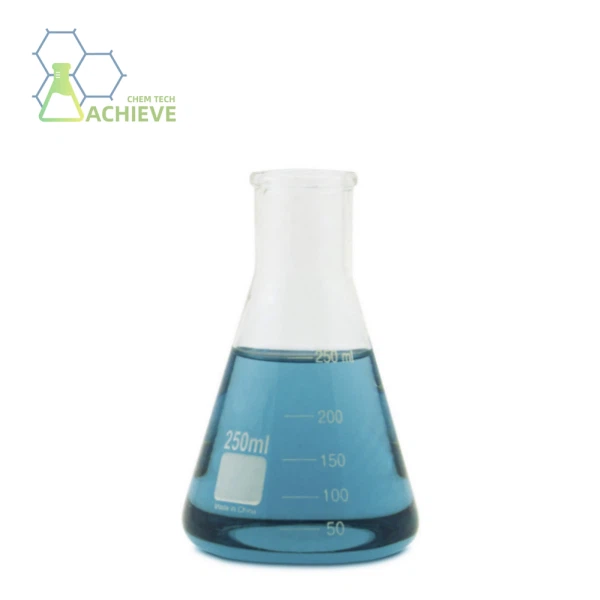


Volumetric Conical Flask
1) Narrow-mouth Bottle: 50ml~10000ml;
2) Big B Bottle: 50ml~3000ml;
3) Horn Mouth: 50ml~5000ml;
4) Wide-mouth Bottle: 50ml/100ml/250ml/500ml/1000ml;
5) Conical Flask With Cover: 50ml~1000ml;
6) Screw Conical Flask:
a. Black Lid (General Sets): 50ml~1000ml
b. Orange Lid (Thickening Type): 250ml~5000ml;
2. Single and Multi-mouth Round Bottom Flask:
1) Single Mouth Round Bottom Flask: 50ml~10000ml;
2) Inclined Three-mouth Flask: 100ml~10000ml;
3) Inclined Four-mouth Flask: 250ml~20000ml;
4) Straight Three-mouth Flask: 100ml~10000ml;
5) Straight Four-mouth Flask: 250ml~10000ml.
***Price List for whole above, inquire us to get
Description
Technical Parameters
A volumetric conical flask, also commonly known as an Erlenmeyer flask, is a fundamental piece of laboratory equipment used primarily for mixing, heating, and storing solutions in chemistry and biology laboratories. Its distinctive shape, characterized by a wide base tapering into a narrow neck, serves multiple purposes that enhance its utility in various experimental setups.
The wide base ensures stability, preventing the flask from tipping over easily, especially when handling viscous or bubbling solutions. This stability is crucial during operations like stirring or heating, where precise control is necessary to avoid spills or accidents. The narrow neck, on the other hand, facilitates pouring and reduces evaporation, thereby preserving the integrity of the solution.
Volumetric conical flasks are typically made from durable, transparent materials like glass or plastic, allowing for easy visualization of the contents. Glass flasks offer better chemical resistance and temperature stability, while plastic options provide lightweight convenience and reduced risk of breakage. They often come with graduations marked on their sides, enabling precise measurement of liquid volumes, which is essential for preparing solutions to specific concentrations.
Specifications


Applications
The most fundamental application of a volumetric flask is to measure and prepare solutions of known concentrations accurately. By marking precise volume graduations on the flask, scientists can ensure that the exact amount of liquid is used in their experiments.
In chemistry and biochemistry, volumetric flasks are often used to prepare standard solutions, dilutions, and other solutions where precision is critical. For example, when preparing a solution of a known concentration, a certain mass of solute is dissolved in a volumetric flask and then diluted to the desired volume with a solvent.
Volumetric flasks are also used for dosing and aliquoting, where small, precise volumes of a solution are needed for multiple experiments or analyses. This ensures consistency and reproducibility in experimental results.
Certified volumetric flasks, which have been calibrated and verified for accuracy, are used in analytical chemistry and other fields where the highest precision is required. These flasks are often used in laboratories that need to comply with strict regulatory standards.
Although not traditionally cone-shaped, volumetric flasks (in their cylindrical form) can sometimes be used as mixing vessels for gentle stirring and dissolution of solutes, especially when preparing solutions that require careful control of volume and concentration.
General Usage Notes
When using a volumetric flask, it is important to follow proper handling techniques to avoid errors in measurement. This includes rinsing the flask with the solvent to be used, adding the solute and dissolving it completely, and then diluting to the desired volume mark on the flask.
Volumetric flasks are usually made of glass or other materials that are resistant to chemicals and have low permeability to gases, ensuring the accuracy and stability of the solutions prepared in them.
In summary, while the term "volumetric conical flask" might not refer to a specific, standardized piece of laboratory equipment, the principles and applications of volumetric flasks in general are crucial for precise liquid measurement, solution preparation, and ensuring the accuracy and reproducibility of experimental results in various scientific and industrial settings.
The Preparation of Culture Media
The preparation of culture media in biochemistry is a crucial process for the cultivation and growth of microorganisms, cells, and tissues in laboratory settings. Culture media provide the essential nutrients, growth factors, and sometimes specific conditions necessary to support the proliferation and maintenance of these biological entities.
Components of Culture Media
Carbon and Energy Sources: These typically include simple sugars like glucose, which serve as the primary energy source for microbial growth.
Nitrogen Sources: Amino acids, peptides, proteins, and inorganic nitrogen compounds (e.g., ammonium salts) are provided to support the synthesis of proteins and nucleic acids.
Inorganic Salts: Minerals such as phosphates, sulfates, and chlorides are necessary for various biochemical reactions and osmotic balance.
Vitamins and Growth Factors: Essential for the growth of some organisms, particularly those that cannot synthesize them themselves.
Water: Purified water is the base of all culture media, ensuring that contaminants are minimized.
Buffers: Substances like sodium bicarbonate help maintain a constant pH, which is critical for optimal growth.
Agar: Often added as a solidifying agent to create solid media, allowing for the formation of colonies that can be easily observed and isolated.
Preparation Steps
Formulation: Select the appropriate recipe based on the type of organism or cell being cultured. This involves determining the correct concentrations of each component.
Weighing and Measuring: Precisely measure all dry components using a balance and transfer them to a clean, sterile container.
Dissolving: Add a portion of the total water required and heat gently to dissolve the solids completely. Stirring is often necessary to ensure homogeneity.
pH Adjustment: Once dissolved, adjust the pH to the desired level using appropriate acids or bases. This step is crucial because even slight deviations can adversely affect growth.
Q-S (Quality-Strength) Testing: A small sample may be tested to ensure that the final media will meet quality standards, including pH, osmolarity, and nutrient content.
Final Volume Adjustment: Add the remaining water to reach the final desired volume.
Sterilization: The most common method is autoclaving, which involves heating the media to high temperatures (usually 121°C) under pressure for a specified period to kill any microorganisms present.
Cooling and Pouring: After sterilization, allow the media to cool to a safe temperature (typically around 50°C) before pouring into sterile petri dishes or flasks. For solid media, the agar will solidify upon cooling.
Storage: Properly sealed and labeled, the prepared media should be stored in a cool, dark place until needed, ensuring they remain sterile and within their shelf-life.
Special Considerations
Selective and Differential Media
These contain specific substances designed to inhibit the growth of certain organisms while promoting the growth of others or allowing the differentiation of different types of organisms based on visible characteristics.
Serum and Other Supplements
Some culture media require the addition of serum, hormones, or other biological supplements to support the growth of more complex organisms like animal cells.
Aseptic Technique
Strict adherence to aseptic practices during the entire preparation process is essential to prevent contamination.
Other Design Features
Moreover, the smooth, curved interior surface minimizes the accumulation of residues, making it easier to clean and ensuring accurate results. The flask's design also promotes efficient mixing, as the narrow neck helps direct swirling currents generated by stirring rods or magnetic stirrers towards the bottom, ensuring homogeneous solutions.
In summary, the volumetric conical flask is a versatile, reliable tool in scientific research and education, facilitating precise measurement, efficient mixing, and safe handling of chemical solutions.
Hot Tags: volumetric conical flask, China volumetric conical flask manufacturers, suppliers, factory, Short Path Distillation Equipment, 50l Rotovap, 20l Rotovap, Hydrothermal Reactor, 10l Rotovap, 10 Liter Short Path Distillation
Previous
Large Conical FlaskSend Inquiry


