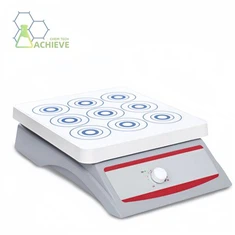
1000ml Heating Mantle
Feature: Heating Function
Capacity: 100ML/250ML/500ML/1,000ML/2,000ML/3,000ML/5,000ML/10,000ML/20,000ML
2.Digital Temperature Control Type
Feature: Heating Function, Temperature Display, Temperature Sensor
Capacity:100ML/250ML/500ML/1,000ML/2,000ML/3,000ML/5,000ML/10,000ML/20,000ML/50,000ML
3.Digital Magnetic Type
Feature: Heating Function, Temperature Display, Temperature Sensor, Magnetic Stirring
Capacity:100ML/250ML/500ML/1,000ML/2,000ML/3,000ML/5,000ML/10,000ML/20,000ML/50,000ML
4.Digital Display Constant Temperature Magnetic Force
Feature: Heating Function, Temperature Display, Time Display, Temperature Sensor, Magnetic Stirring, Timer
Capacity:100ML/250ML/500ML/1,000ML
Description
Technical Parameters
1000ml heating mantle, also commonly known as digital display constant temperature heating sleeve or laboratory heating sleeve, is a device used for laboratory heating, which uses electric heating elements for heating, and precisely controls the temperature through a digital display controller, suitable for a variety of heating occasions requiring constant temperature. The 1000ml heating mantle is mainly used in various heating occasions requiring constant temperature in the laboratory, such as chemical reaction, sample preparation, solution evaporation, etc. At the same time, it can also be used with magnetic stirrer and other equipment to achieve integrated heating and stirring operation.
It is mainly composed of two parts: heating sleeve and magnetic stirrer. The heating jacket is a ring-shaped metal container that heats the reaction vessel placed in it by generating heat through a coil of electricity flowing into the jacket. The magnetic stirrer is a small magnet that is placed in the reaction solution, and the rotating magnetic field generated by an external motor or magnetic driver makes the magnetic stirrer rotate in the solution, so as to achieve the agitation of the solution.
Product Parameter


Effects of rapid heating on workers


► Increased risk of heat injury
When the heating jacket is heated rapidly, the temperature of the surface and the surrounding environment will rise rapidly. If the staff does not take proper protective measures, such as wearing protective glasses, gloves, etc., they may suffer heat injuries such as scalds and burns. Especially in the case of improper operation or equipment failure, the risk of thermal injury is further increased.
► Electromagnetic radiation hazards
If the heating jacket uses high-frequency heating technology, electromagnetic radiation may be generated during rapid heating. Long-term exposure to electromagnetic radiation may cause damage to the blood, internal organs and other tissues of the staff, and even cause cancer or teratogenesis. In addition, electromagnetic radiation may also have an impact on the nervous system, heart and other organs of the staff, resulting in dizziness, fatigue, arrhythmia and other physical discomfort.
► Impact of noise pollution
The heating sleeve may produce noise during operation, especially when it is heated rapidly, and the noise may be more significant. Long-term exposure to high noise environment may have adverse effects on the nervous system, cardiovascular system and digestive system of workers, interfere with normal work and life, and even affect health.
► Psychological pressure increases
The rapid heating of the heating jacket may cause the temperature of the working environment to rise, making the staff feel uncomfortable and depressed. At the same time, if the staff is worried about potential risks such as thermal injury or electromagnetic radiation, it may produce negative emotions such as anxiety and tension, increasing psychological pressure. This psychological stress can affect work efficiency and accuracy, and even have long-term effects on the mental health of staff.
► Increased operational difficulty and safety risks
It can lead to increased operational difficulty, as workers need to perform tasks quickly and accurately in high temperatures and potentially hazardous environments. This increases the risk of operational errors and safety incidents that can pose a threat to the lives of staff.
► Ways to mitigate the impact
1) Strengthen safety protection: Provide staff with appropriate protective equipment, such as protective glasses, gloves, protective clothing, etc., to reduce the risk of heat injury and electromagnetic radiation.
2) Improve the working environment: improve the working environment by increasing ventilation, reducing the indoor temperature and other measures to reduce the discomfort of staff.
3) Provide training and guidance: Provide necessary training and guidance for the staff to understand the working principle, operation methods and safety precautions of the heating sleeve, and improve operation skills and safety awareness.
4) Regular maintenance and inspection: Regular maintenance and inspection of the heating sleeve to ensure its normal operation and safety, timely detection and handling of potential safety hazards.
Test method for insulation properties
Preparation before the test
Ensure safety
Before conducting insulation tests, ensure that the heating jacket is powered off and in a safe condition.
Operators should wear appropriate protective equipment, such as insulation gloves and shoes.
Test equipment
Prepare an insulation resistance tester (also known as a megohm meter) to ensure that it is in good working condition.
Prepare the necessary connection wires for connecting the tester to the heating sleeve.
Environmental requirements
The test environment should be kept dry, clean, and free of corrosive gases or substances.
During the test, the ambient temperature should be within the specified range to avoid the impact of temperature on the test results.
Test procedure
► Connect test equipment
The output end of the insulation resistance tester is connected with the lead line or lead rod of the heating sleeve through a wire.
Ensure that the connection is strong and reliable to avoid poor contact or disconnection during the test.
► Set test parameters
According to the technical specifications and test requirements of the heating sleeve, set the test voltage and test time of the insulation resistance tester.
In general, the test voltage should be selected at 500V or 1000V, and the test time can be set to 1 minute or longer as required.
► To test
Start the insulation resistance tester and start the test.
During the test, pay attention to the changes in the reading of the tester and record the test results.
► Judge the test result
The measured insulation resistance value is compared with the technical specification of the heating sleeve or related standards.
If the insulation resistance value is greater than or equal to the specified value (such as 2MΩ or higher), it is considered that the insulation performance of the heating jacket is qualified.
If the insulation resistance value is lower than the specified value, you need to further check whether the insulation layer of the heating jacket is damaged or aging, and take appropriate repair or replacement measures.
Matters needing attention
Safety during testing
During the test, it is necessary to ensure that the heating jacket is in a state of power failure and avoid touching the high-pressure part of the heating jacket.
If abnormal or dangerous conditions are found during the test, the test should be stopped immediately and appropriate safety measures should be taken.
Calibration of test equipment
The insulation resistance tester is calibrated and maintained regularly to ensure the accuracy and reliability of its measurement results.
Control of the test environment
During the test process, the influence of environmental humidity, temperature and other factors on the test results should be avoided as far as possible.
If the test environment cannot meet the requirements, measures should be taken to improve or adjust the test conditions.
Recording and analysis of test results
The results of each test are recorded and analyzed in order to detect trends and potential problems in the insulation performance of the heating jacket in time.
If the insulation performance of the heating sleeve is found to be significantly reduced or unqualified, it should be repaired or replaced in time to avoid electrical failures or safety accidents.
The effect of electric current on the human body
The current of the heating jacket itself does not directly produce harmful radiation to the human body. However, the heating jacket may produce an electromagnetic field when working, and this electromagnetic field may have a certain effect on the human body, but this effect usually depends on multiple factors.
First of all, it needs to be made clear that electromagnetic radiation is divided into ionizing radiation and non-ionizing radiation. Ionizing radiation, such as X-rays and gamma rays, is destructive to human cells, capable of triggering cell mutations and diseases such as cancer. However, the radiation produced by the heating jacket is usually non-ionizing radiation, which has a low energy and is not enough to damage human cells.
However, prolonged exposure to electromagnetic radiation may still have some health effects. Studies have shown that prolonged exposure to electromagnetic radiation may be linked to a number of health problems, especially insomnia, headaches and long-term fatigue. In addition, some people may also have allergic reactions under high-frequency electromagnetic radiation, such as skin itching, papules and so on. However, it is important to note that these effects are usually only possible after prolonged, high-intensity exposure to electromagnetic radiation.
For heating sleeves, the level of electromagnetic radiation generated is usually low enough to cause direct harm to human health. However, in order to ensure safety, it is still recommended to take some precautions when using heating sleeves:
1) Control the use time: Avoid using the heating sleeve continuously for a long time to reduce the exposure to electromagnetic radiation.
2) Keep a proper distance: When using the heating sleeve, try to keep a certain distance to avoid direct contact with sensitive parts of the body.
3) Choose high quality products: Buy high quality heating covers from regular channels and well-known brands to ensure their electrical safety and reduce the generation of electromagnetic radiation.
In short, although the current of the heating jacket itself does not directly produce harmful radiation to the human body, it is still necessary to take appropriate preventive measures during use to reduce the potential impact of electromagnetic radiation. At the same time, it is also very important to regularly maintain and inspect the heating sleeve to ensure its normal operation and reduce safety hazards.
It is a versatile and reliable laboratory tool for applications requiring precise, uniform heating. Its key advantages-safety, efficiency, and temperature stability-make it a preferred choice over hot plates or oil baths for many chemical processes. While the initial cost may be higher, the long-term benefits in terms of reproducibility and safety justify the investment for most research and industrial laboratories.
Hot Tags: 1000ml heating mantle, China 1000ml heating mantle manufacturers, suppliers, factory, Chemical Equipment, Hydrothermal Synthesis Autoclave Reactor, High Pressure Hydrothermal Autoclave Reactor, High Pressure High Temperature Reactor, High Pressure Chemical Reactor, Hydrothermal Synthesis Reactor
Previous
Heating Mantle 5000mlSend Inquiry