


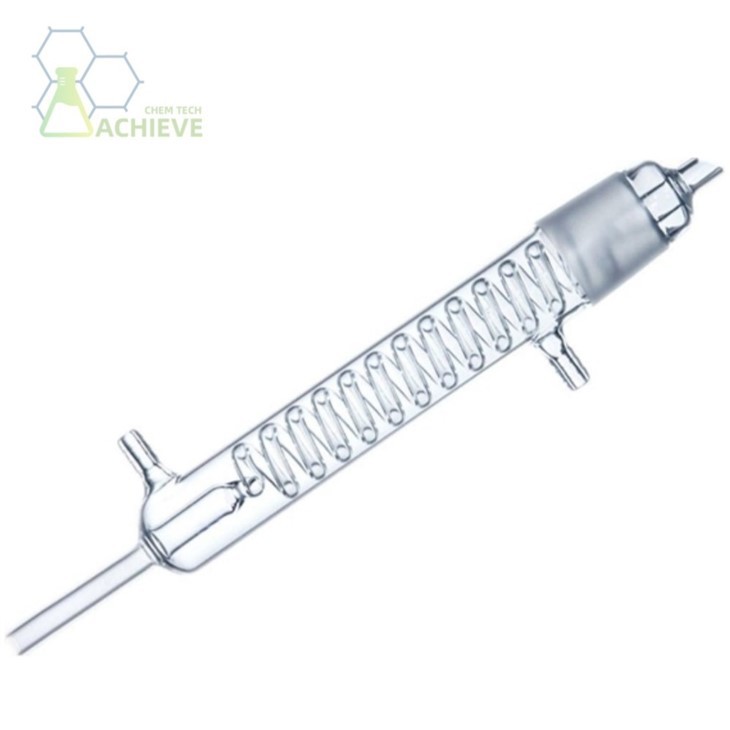


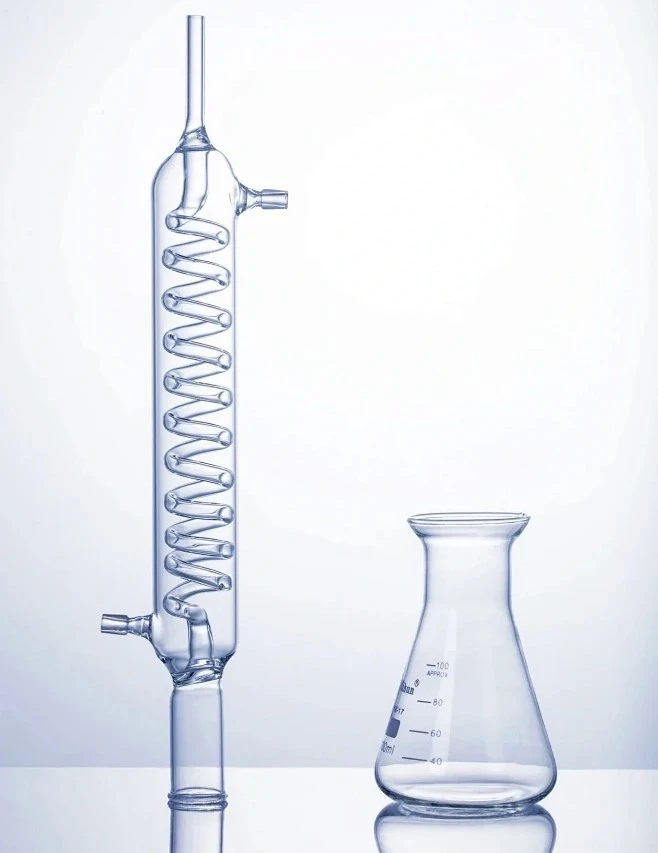
Serpentine Condenser
(1)150mm/200mm/300mm/400mm/500mm/600mm---19*2
(2)200mm/300mm/400mm/500mm/600mm---24*2
(3)400mm/500mm/600mm---29*2
2. Allihn Condenser
(1)150mm/200mm/300mm/400mm/500mm/600mm---19*2
(2)200mm/300mm/400mm/500mm/600mm---24*2
(3)500mm/600mm---29*2
3. Graham Condenser:
(1)150mm/200mm/300mm/400mm/500mm/600mm---19*2
(2)200mm/300mm/400mm/500mm/600mm---24*2
(3)500mm/600mm---29*2
***Price List for whole above, inquire us to get
Description
Technical Parameters
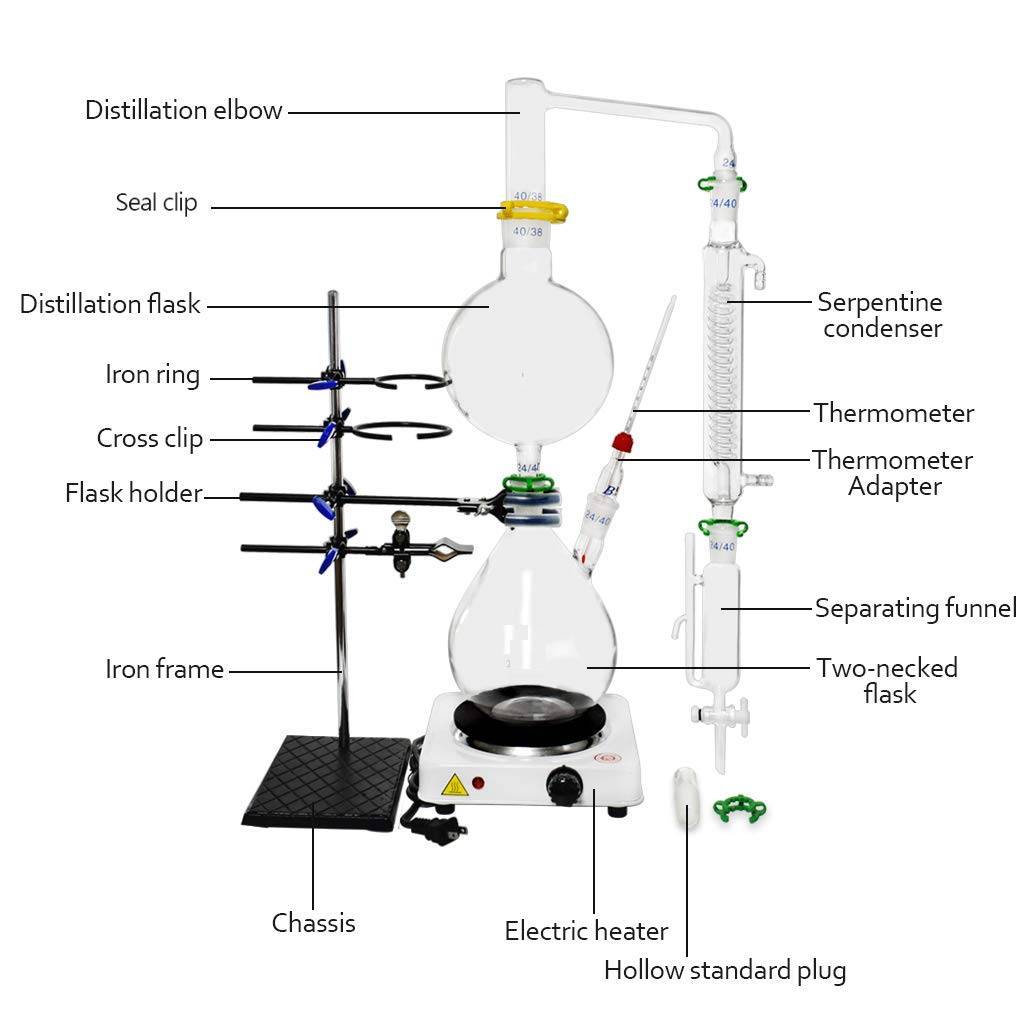
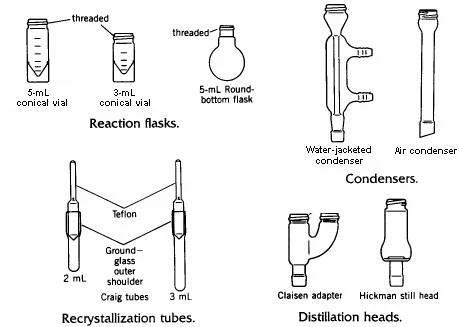
The serpentine condenser is characterized by its serpentine shape, which offers a longer heat exchange path compared to traditional condensers. This extended path not only increases the surface area available for heat transfer but also allows for a more controlled and efficient transfer of heat. The serpentine design ensures that the coolant flows through a series of curved paths, providing a longer residence time and more opportunities for heat exchange. In the world of heat transfer technology, the serpentine condenser stands out as a unique and effective solution for a range of applications. This innovative design offers exceptional performance in terms of heat dissipation and condensation, making it an excellent choice for various industrial processes.
Product Features
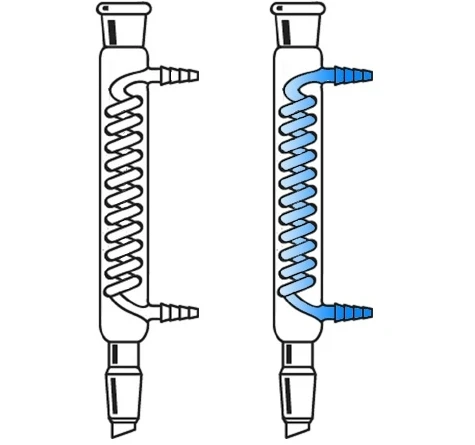
Efficient heat transfer: Serpentine condensers are designed to provide efficient heat transfer between hot and cold fluids, enabling efficient condensation of steam and other gases.
High heat flux: The serpentine design allows for a high heat flux, which means that a large amount of heat can be transferred in a small space, making the condenser suitable for compact systems.
Corrosion resistance: Serpentine condensers can be made from corrosion-resistant materials such as stainless steel or other alloys, making them suitable for use in corrosive environments.
Easy maintenance: The serpentine design often allows for easy access for cleaning and maintenance, simplifying the process of maintaining the condenser's efficiency.
Versatile application: Serpentine condensers can be used in various industries and applications, such as power generation, chemical processing, food processing, and more.
Cost-effective: Serpentine condensers can be manufactured in a cost-effective manner while still providing efficient heat transfer and durability.
Product Advantages
One of the key advantages of the serpentine condenser is its high thermal efficiency. The extended heat exchange path improves the overall heat transfer coefficient, leading to more efficient cooling and faster condensation. This translates into energy savings for the user, as less energy is required to achieve the desired cooling or condensation effect.
Another noteworthy feature of the serpentine condenser is its corrosion resistance. The material used in the construction of these condensers is often stainless steel, which provides excellent resistance to corrosion and chemicals. This makes the serpentine condenser an ideal choice for applications where exposure to corrosive environments is unavoidable.
In addition to its thermal and corrosion-resistant properties, the serpentine condenser offers excellent mechanical durability. Its robust design ensures that it can withstand high pressure and temperature variations, making it suitable for demanding industrial applications.
the serpentine condenser an ideal choice for applications where exposure to corrosive environments is unavoidable.
In addition to its thermal and corrosion-resistant properties,
the serpentine condenser offers excellent mechanical durability. Its robust design ensures that it can withstand high pressure and temperature variations, making it suitable for demanding industrial applications.
The serpentine condenser offers a unique combination of efficient heat transfer, corrosion resistance, and mechanical durability. Its advanced design and material selection make it an excellent choice for a wide range of industrial processes where efficient heat management is essential. As heat transfer technology continues to evolve, the serpentine condenser is likely to remain a valuable asset in various industrial applications.
Selection Crtiteria
Heat Transfer Capacity: Serpentine condensers are chosen based on their heat transfer capacity, which refers to their ability to transfer heat efficiently between the hot and cold fluids. The selection should take into account the required heat transfer area and the corresponding condenser size.
Pressure Drop: The pressure drops across the serpentine condenser should be considered, as it affects the efficiency of the condenser and the overall system operation. The design of the serpentine condenser should aim to minimize pressure drop while maintaining efficient heat transfer.
Corrosion Resistance: Serpentine condensers are often used in corrosive environments, so their material selection should provide resistance to corrosion and chemical attack. Materials such as stainless steel or other corrosion-resistant alloys are commonly used in serpentine condensers.
Temperature Range: The operational temperature range of the serpentine condenser should be suitable for the hot and cold fluid temperatures involved in the process. The material and design of the condenser should be able to withstand the maximum temperature without degrading.
Ease of Maintenance: The design of the serpentine condenser should facilitate easy access for cleaning and maintenance, as it may require regular cleaning to maintain its efficiency. Easy access also allows for easier inspection and replacement of parts if necessary.
Cost: The cost of the serpentine condenser is an important factor in the selection process. The overall cost should be balanced with its efficiency, durability, and reliability to ensure a cost-effective solution for the specific application.
Application
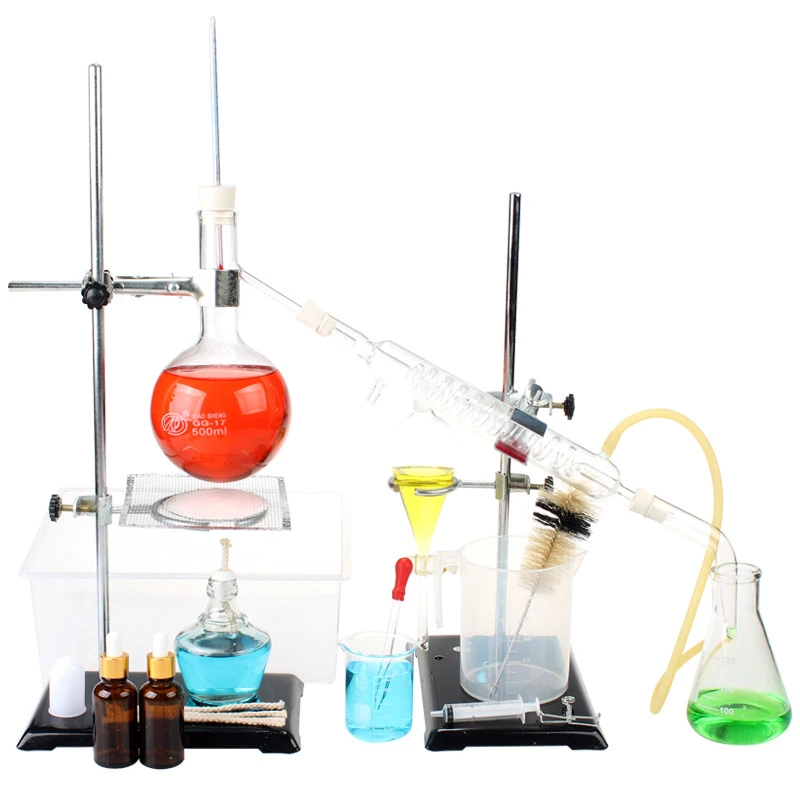
Serpentine condenser has a wide range of application fields. It can be used in various industries that require efficient heat management, such as energy and power generation, chemical industry, food processing, and others.
In the energy and power generation industry, serpentine condensers are commonly used in steam condensation after passing through turbines, which helps to improve power generation efficiency and ensure safe and reliable operation.
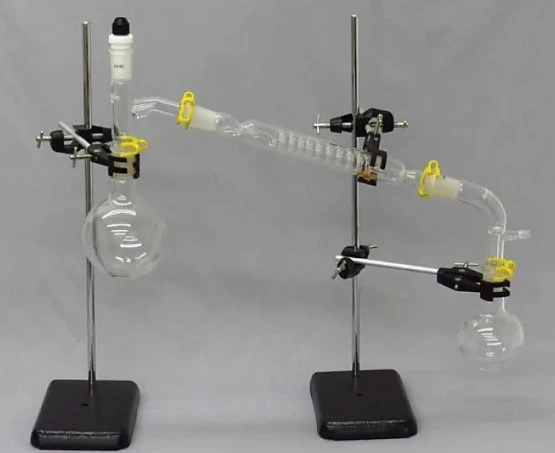
In the chemical industry, serpentine condensers are employed in distillation columns, reactors, and other process equipment to provide efficient heat transfer and condensation, ensuring stable operation and improved product quality. Additionally, serpentine condensers are widely used in food processing applications such as pasteurization, sterilization, and other heat treatment operations. Their efficient heat transfer and corrosion resistance make them an ideal choice for these demanding applications.
Serpentine condenser, as an efficient and compact heat exchange device, plays an indispensable role in modern industrial production. In the food processing industry, serpentine condensers are widely used in various production processes due to their unique advantages, making important contributions to improving product quality, optimizing production processes, and ensuring food safety.. In the food processing industry, serpentine condensers are widely used in multiple key processes, including but not limited to the following aspects:
1. Brewing process
During the brewing process, it is used to cool the steam produced by fermentation, promote the condensation and collection of alcohol. By precisely controlling the temperature and flow rate of the cooling medium, it is possible to ensure rapid condensation of alcohol under suitable conditions, while reducing unnecessary energy loss and impurity mixing, and improving the purity and quality of alcohol.
2. Concentrated yogurt
In the production process of yogurt, it is used for concentration treatment of yogurt. By using low-temperature cooling, excess moisture in yogurt can be effectively removed, improving the concentration and taste of yogurt. Meanwhile, its compact design makes the concentration process more efficient, helping to shorten the production cycle and reduce production costs.
3. Vacuum dehydration
In certain stages of the food processing industry, such as vacuum dehydration and other processes, it is also widely used. By reducing the pressure inside the system, the moisture in the material evaporates rapidly at low temperatures and is collected by the condenser. Its efficient heat transfer performance ensures the smooth progress of the dehydration process, while avoiding the damage of high temperature to the nutritional components of the material.
4. Juice processing
In the process of juice processing, sterilization and cooling of juice are two crucial steps. Traditional sterilization methods often use high-temperature steaming, which can damage the nutrients and flavor substances in fruit juice. And this instrument can play an important role in the cooling process of sterilized juice. By rapidly cooling the juice after high-temperature sterilization through a serpentine condenser, the nutrients and flavor substances in the juice can be maximally retained, while avoiding spoilage due to prolonged high temperatures.
5. Dairy processing
Dairy products such as milk and yogurt require pasteurization or high-temperature instantaneous sterilization treatment during processing. Sterilized dairy products need to be quickly cooled to a suitable temperature to maintain their quality and extend their shelf life. With its efficient heat transfer performance, a large amount of dairy products can be cooled to the desired temperature in a short period of time, reducing nutrient loss and quality degradation caused by prolonged high-temperature treatment.
6. Meat processing
In the production process of meat products such as sausages and ham, it is necessary to marinate and smoke the raw meat. These processing procedures often need to be carried out under specific temperature conditions. It can be used to control the temperature during these processing steps to ensure that the product achieves the desired taste and flavor. In addition, it can also play an important role in the cooling and storage process of meat products, helping them quickly cool down and maintain a stable storage temperature.
7. Beer brewing
During the beer brewing process, the steam produced by fermentation needs to be condensed and collected in a timely manner. Due to its efficient heat transfer performance and compact structural design, it is widely used in the steam condensation system of beer breweries. By precisely controlling the temperature and flow rate of the cooling medium, it is possible to ensure that steam quickly condenses into water under suitable conditions, while reducing unnecessary energy loss and impurity mixing. This not only improves the purity and quality of beer, but also reduces production costs and energy consumption.
8. Other applications
In addition to the typical applications mentioned above, it can also be used in other aspects of the food processing industry. For example, in the process of food drying, it can be used to recover and condense the steam generated during the drying process; During the food packaging process, it can be used to cool packaging materials to lower their temperature and reduce bacterial growth; During food storage and transportation, it can also be used to maintain a stable storage temperature of food to prevent spoilage.
Hot Tags: serpentine condenser, China serpentine condenser manufacturers, suppliers, factory, Complete Short Path Distillation Kit, 1l Short Path Distillation Kit, Chemglass Jacketed Reactor, Double Glass Reactor, PPL Lined Hydrothermal Autoclave, High Pressure Lab Reactor
Previous
Lab Magnetic StirrerNext
Lab CondenserSend Inquiry


